
Why packaging data has become a shared priority
Why packaging data has become a shared priority

Why packaging data has become a shared priority
EXCLUSIVE: Nike, Patagonia, Under Armour JoinCoalition to Curb Microfiber Pollution at the Source

New methodology brings plastic pollution into investment portfolio analysis
The instrument is still meant to set global rules. What is undecided is whether a product is judged on what it is or on where it is sold, and that decides how evenly the same rule lands across markets.
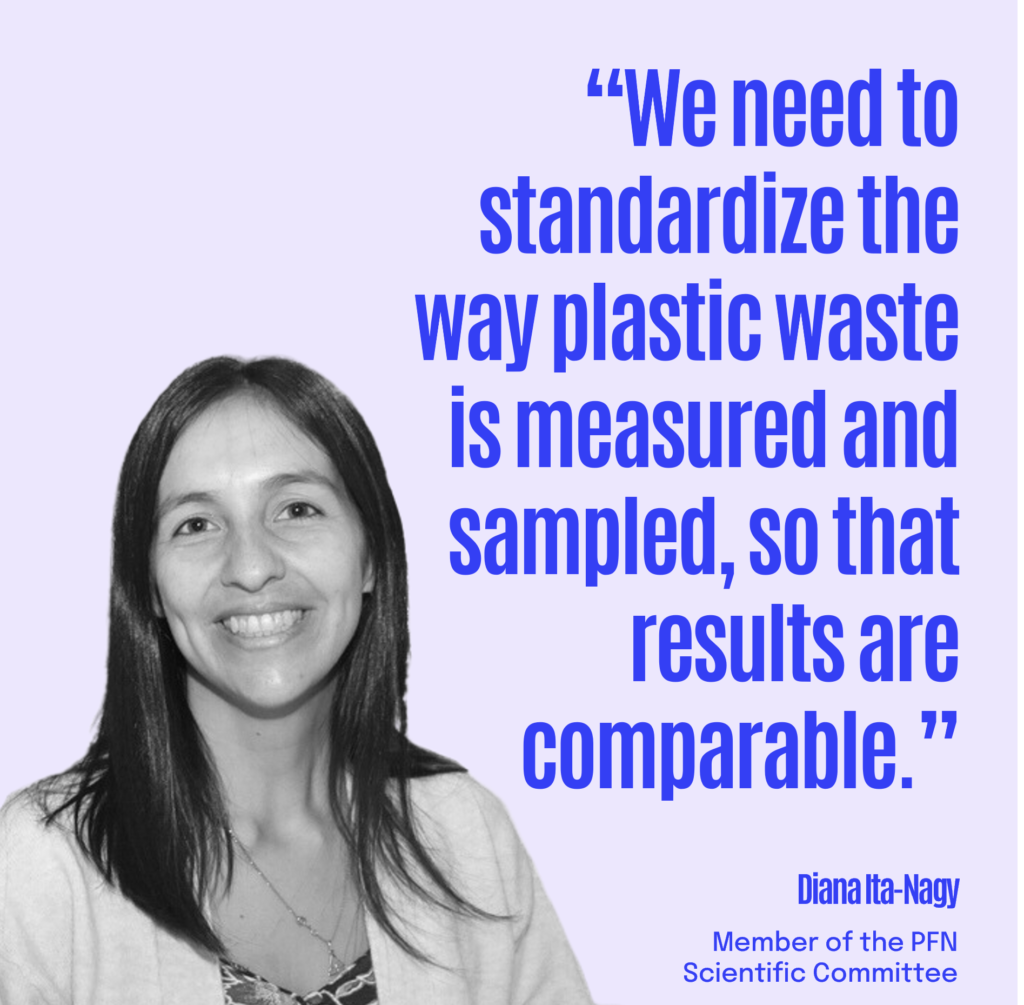
Diana Ita-Nagy, PFN Scientific Committee member, explains why plastic footprints get weaker the further plastic travels from a documented waste system, and what standardized measurement would change.

L’instrument doit toujours fixer des règles mondiales. Reste à savoir si un produit sera jugé sur ce qu’il est ou sur le marché où il est vendu, un choix qui décide si la même règle s’applique partout de façon uniforme.

Deux événements se sont produits ce mois-ci, sur deux continents, selon le même schéma. Le 22 septembre, la Commission européenne a publié au Journal officiel de l’UE les ESRS simplifiées et la nouvelle norme volontaire de reporting, qui entrent en

In September 2026, the EU and California both issued reporting guidance for rules that are not yet final. Here is what the timing gap actually means for companies building their data systems.

Dans le dossier spécial Finance durable de L’Agefi Finance (septembre 2026), Simone Pedrazzini, CEO d’Earth Action, signe une tribune sur l’évolution de la finance durable en Suisse.
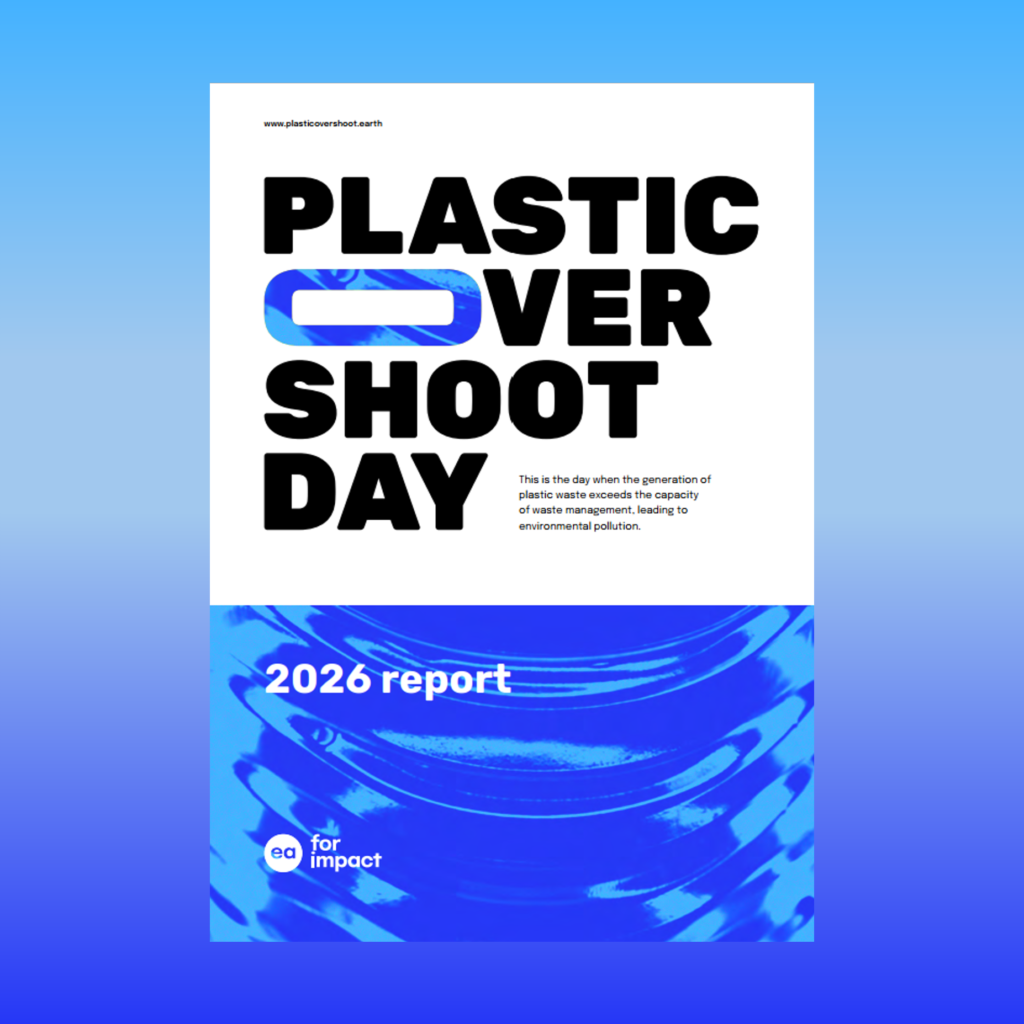
Plastic Overshoot Day marks the point when the amount of plastic waste generated exceeds the world’s capacity to manage it, resulting in environmental pollution. In 2026, the global Plastic Overshoot Day is projected to occur on September 6th.
La nouvelle modélisation issue du rapport From Shedding to Solutions d’Earth Action montre pourquoi la seule amélioration du traitement des eaux usées ne change presque rien à la pollution par les microfibres, et ce qui change lorsqu’elle est associée à
New modelling from Earth Action’s From Shedding to Solutions report shows why upgrading wastewater treatment on its own barely moves the needle on microfiber pollution, and what changes when it’s paired with controlled sludge management.
La date d’application du règlement est passée le 12 août 2026. Presque rien de ce qui réduit, recycle ou réutilise les emballages n’est encore contraignant, et la règle permettant de mesurer si les objectifs de réutilisation sont atteints n’a pas
The regulation’s application date passed on 12 August 2026. Almost nothing that reduces, recycles or reuses packaging is binding yet, and the rule that will measure whether reuse targets are met doesn’t have to exist until 2027.
Amila Abeynayaka, PFN Scientific Committee member, explains what it takes to make plastic reduction efforts actually lower environmental impact, from composition to regional context to avoiding burden-shifting.

When Earth Action and The Nature Conservancy published From Shedding to Solutions in July 2026, the report filled a gap the textile industry had been working around for years: nobody had quantified, at system level, how much microfibre pollution manufacturing

Your clothes are shedding microfibres – and regulators are coming
WWD –
Patagonia, Under Armour Work Alongside Environmental Organizations on New Microfiber Report
Three coordinated interventions could cut textile microfibre pollution by 95%
95% of microfibre leaks ‘could be prevented’ by coordinated action
Ecotextile – Microfibre report urges action upstream

Forbes – Textile Industry Challenged Over Microfibre Leaks Into The Environment

VIVA Vaud – Romande Energie : de 190 pistes à une trajectoire climat claire
Textile manufacturing releases 92,000 tonnes of microfibre pollution each year, report finds