New methodology brings plastic pollution into investment portfolio analysis
New methodology brings plastic pollution into investment portfolio analysis

New methodology brings plastic pollution into investment portfolio analysis
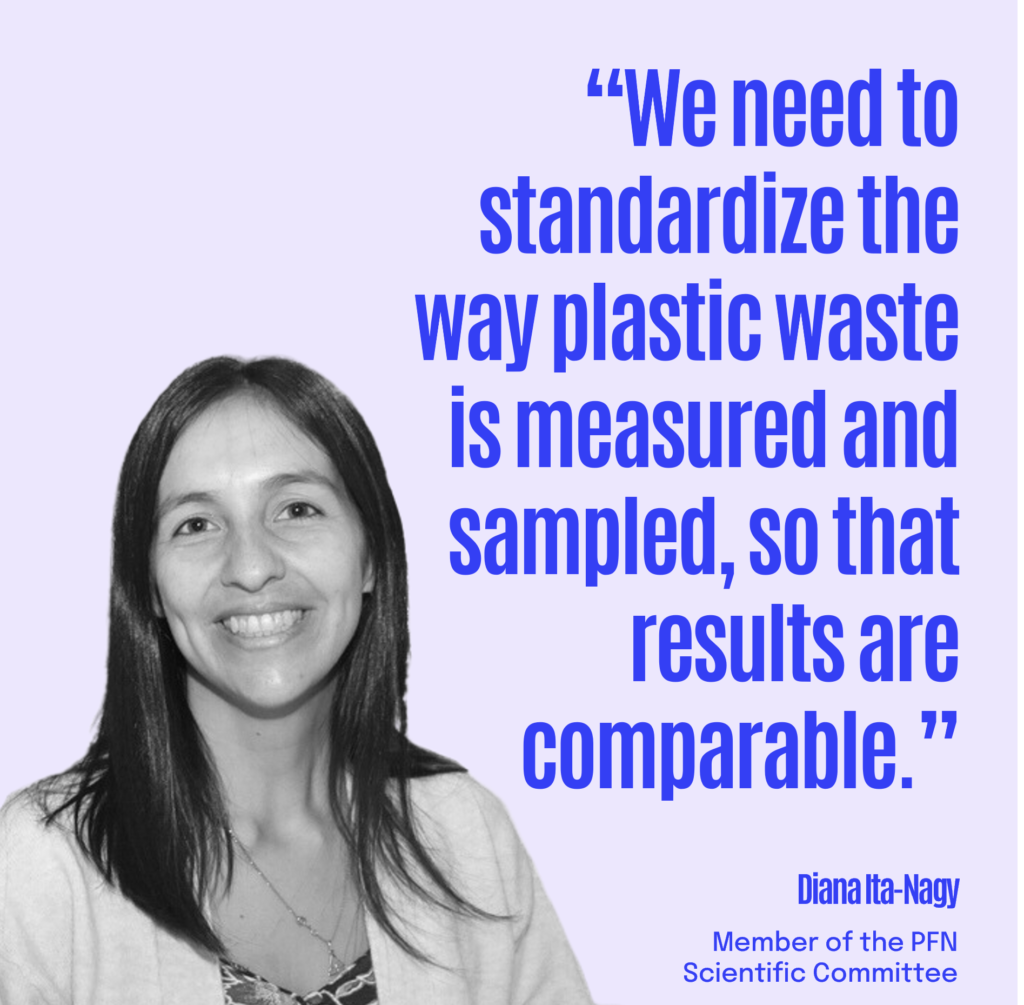
Diana Ita-Nagy, PFN Scientific Committee member, explains why plastic footprints get weaker the further plastic travels from a documented waste system, and what standardized measurement would change.
La date d’application du règlement est passée le 12 août 2026. Presque rien de ce qui réduit, recycle ou réutilise les emballages n’est encore contraignant, et la règle permettant de mesurer si les objectifs de réutilisation sont atteints n’a pas
The regulation’s application date passed on 12 August 2026. Almost nothing that reduces, recycles or reuses packaging is binding yet, and the rule that will measure whether reuse targets are met doesn’t have to exist until 2027.
Amila Abeynayaka, PFN Scientific Committee member, explains what it takes to make plastic reduction efforts actually lower environmental impact, from composition to regional context to avoiding burden-shifting.
Plastics are used across countless products and industries, yet understanding their full environmental consequences remains complex. Nils Thonemann, Assistant Professor at Leiden University and member of the PFN Scientific Committee, focuses on how environmental impacts from plastics are quantified and
Heath Logan, PFN Scientific Committee member, explains why better LCA data for plastic additives in textiles, footwear, and consumer goods is key to accurate footprinting.
As we close the 2025 cycle of the Plastic Footprint Network (PFN), we mark an important milestone in the evolution of the methodology.
Over the past year, PFN has continued to grow into a more complete, robust, and actionable
Authors: Noémie Voirin Tricky plastics, big unknowns Plastics are everywhere, but not all microplastics are the same. Tires, paint chips, and synthetic fibers behave differently from the types most studied in oceans and rivers. Zoie Diana, interdisciplinary environmental scientist and PFN
Author: Charlotte Stalder The Plastic Footprint Network (PFN), convened by Earth Action, brings together companies, researchers, and practitioners to develop a science-based and actionable approach to measuring and reducing plastic pollution. Building on its work to standardize plastic footprinting, PFN is now introducing
Author : Noémie Voirin and Sarah Perreard Plastic pollution is often framed as a waste problem. But long before a product becomes waste, critical decisions have already been made — in material selection, design, sourcing, and performance requirements. Maider Iturrondobeitia Ellacuria works precisely at that upstream
Author : Noémie Voirin The Plastic Footprint Network (PFN) brings together scientists, companies, and policymakers to measure and reduce the impacts of plastics. Nadim Saadi, recently appointed co-chair of the PFN Scientific Committee, focuses on understanding the often-overlooked effects of microplastics and developing

2025 has been a defining year for the Plastic Footprint Network (PFN). While international negotiations toward a Global Plastics Treaty are still struggling to deliver the ambition the world urgently needs, one thing has become clear across the private sector.
A clear trend is emerging on both sides of the Atlantic: environmental claims are being held to higher standards, and plastics are in the spotlight. Earlier this month, Canada released new anti-greenwashing guidance under its Competition Act, explicitly targeting vague
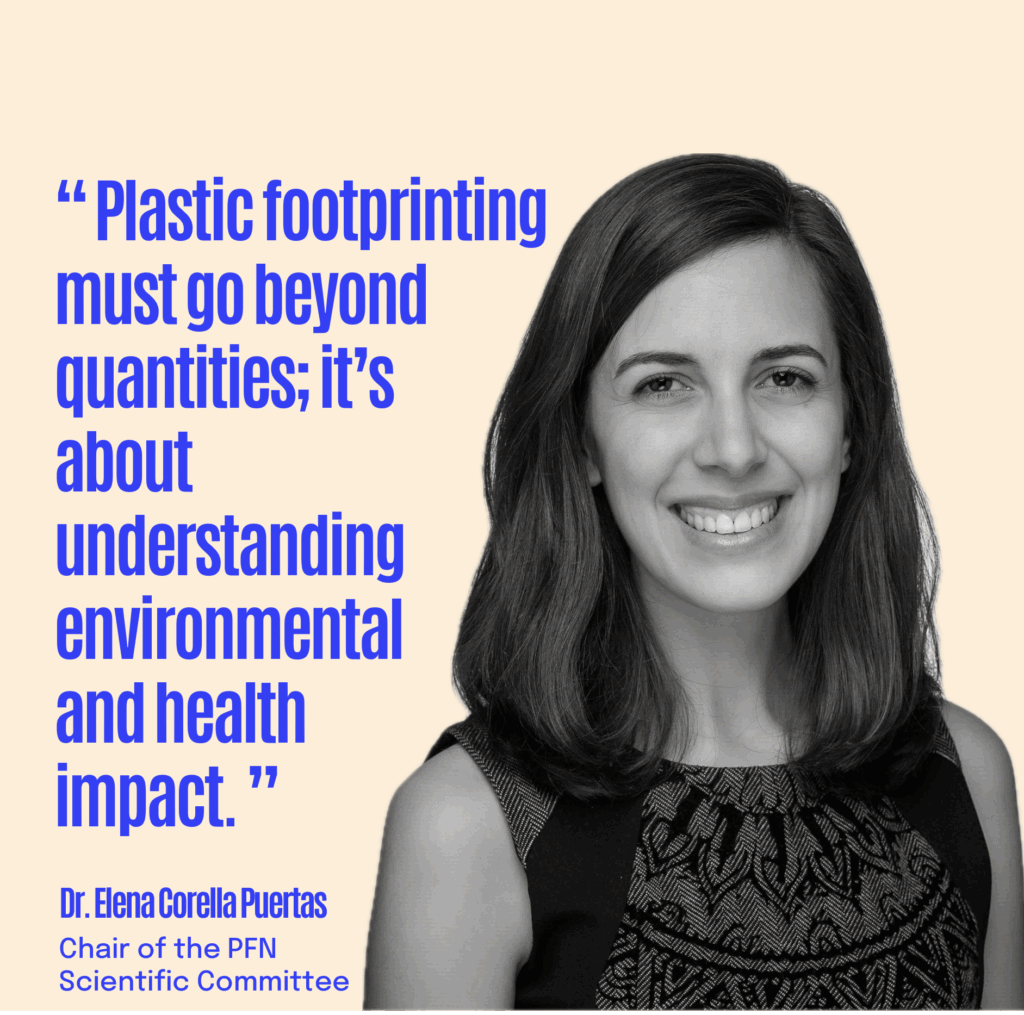
At Earth Action, we collaborate with global experts who turn cutting-edge science into real-world sustainability tools. One of them is Dr. Elena Corella Puertas, a chemical engineer, educator, and researcher known for her pioneering work on plastic pollution and life
2025 is shaping up to be a pivotal year for corporate plastic accountability, with major sustainability reporting frameworks increasing their focus on plastic footprinting and mitigation strategies. As corporate disclosure expectations tighten, businesses must be ready to quantify, mitigate, and
This report delves into the strategic use of Outcomes-Based Waste Prevention (OBWP), a novel financial approach that rewards tangible decreases in plastic waste, to address the funding shortfall that hampers efforts to tackle plastic pollution effectively.
This methodology provides a harmonized approach for measuring plastic leakage.
The Plastic Footprint Network (PFN) has worked to establish the methodology for conducting plastic footprint assessments, akin to the framework global organisations currently employ to assess and reduce their carbon footprint.
This report addresses the introduction of a plastics protocol to improve corporate accountability under the International Legally Binding Instrument on plastic pollution, emphasizing the need for standardized reporting and action planning in the plastic value chain.
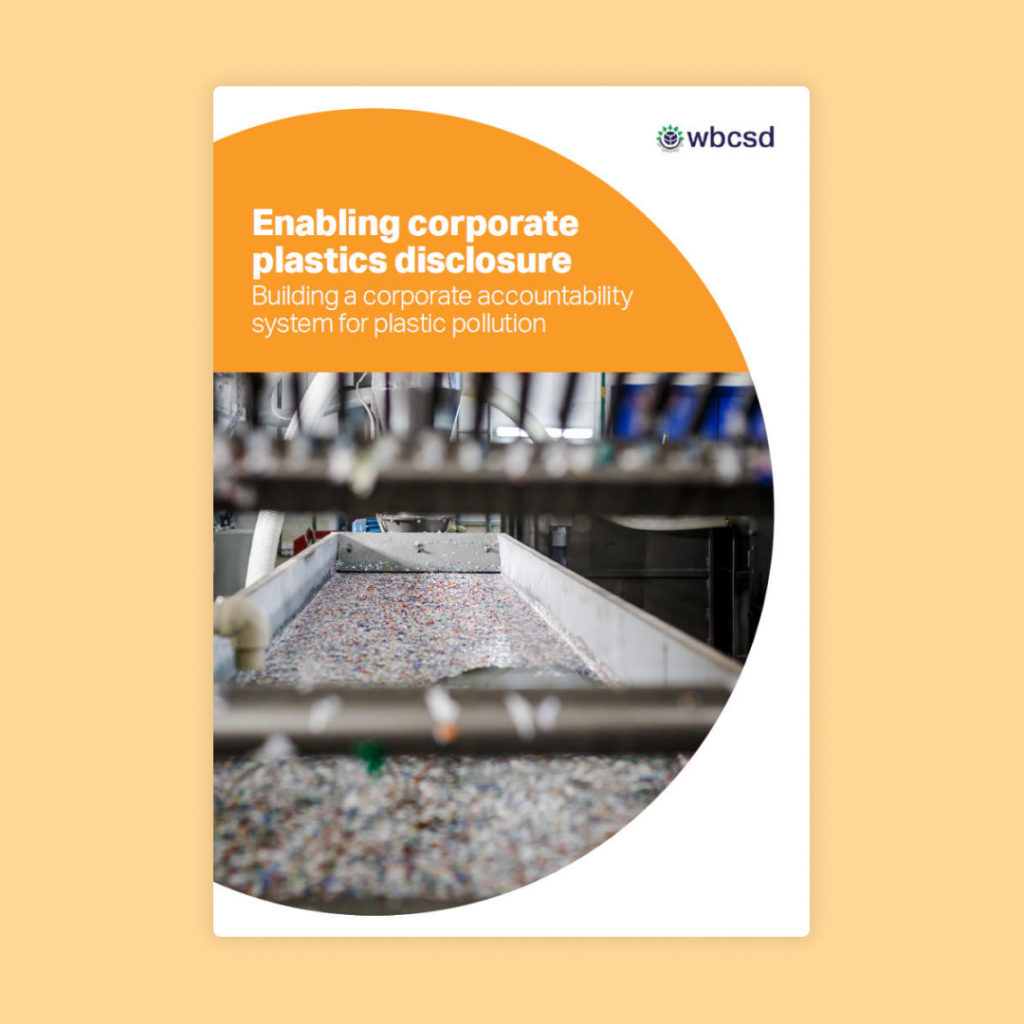
This paper proposes a four-phase accountability system to help companies combat plastic pollution and adopt a circular approach to plastic use.
Plastic Footprint Network was established to unify methodologies for conducting Plastic Footprint assessments.
Le Plastic Footprint Network a été créé pour unifier les méthodologies d’évaluation de l’empreinte plastique.