Packaging Europe – How packaging data gaps can impact compliance and investment
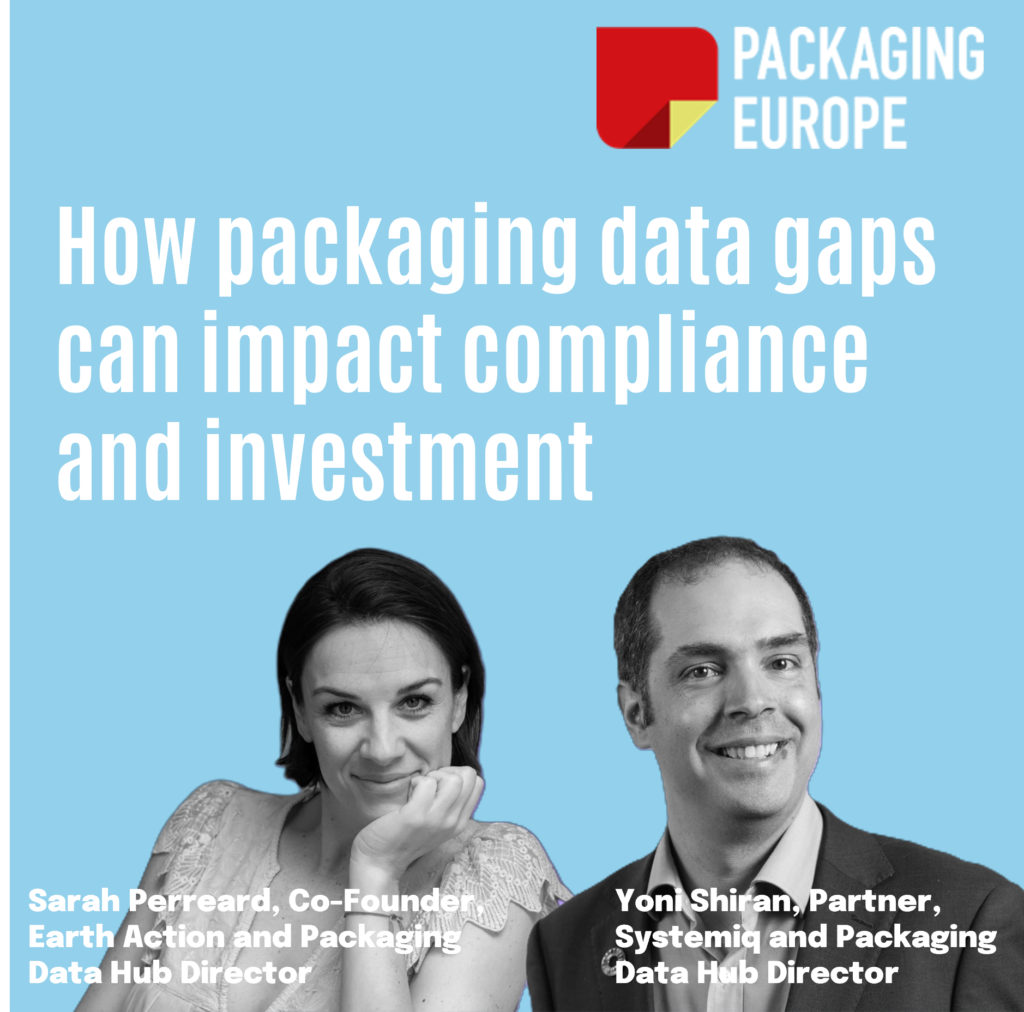
How packaging data gaps can impact compliance and investment

How packaging data gaps can impact compliance and investment

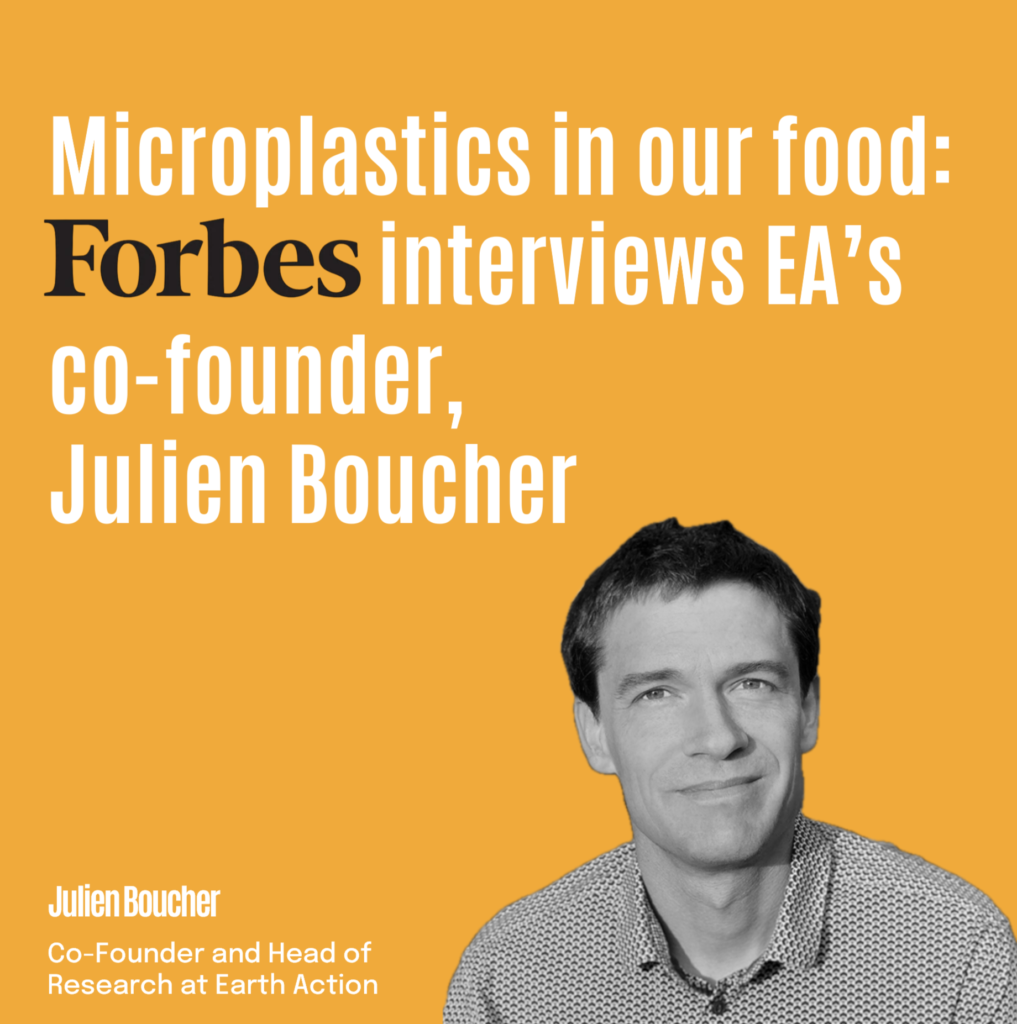
Microplastics Moving From Packaging To Food And Drink, Study Finds

The gap in how we regulate what touches our food

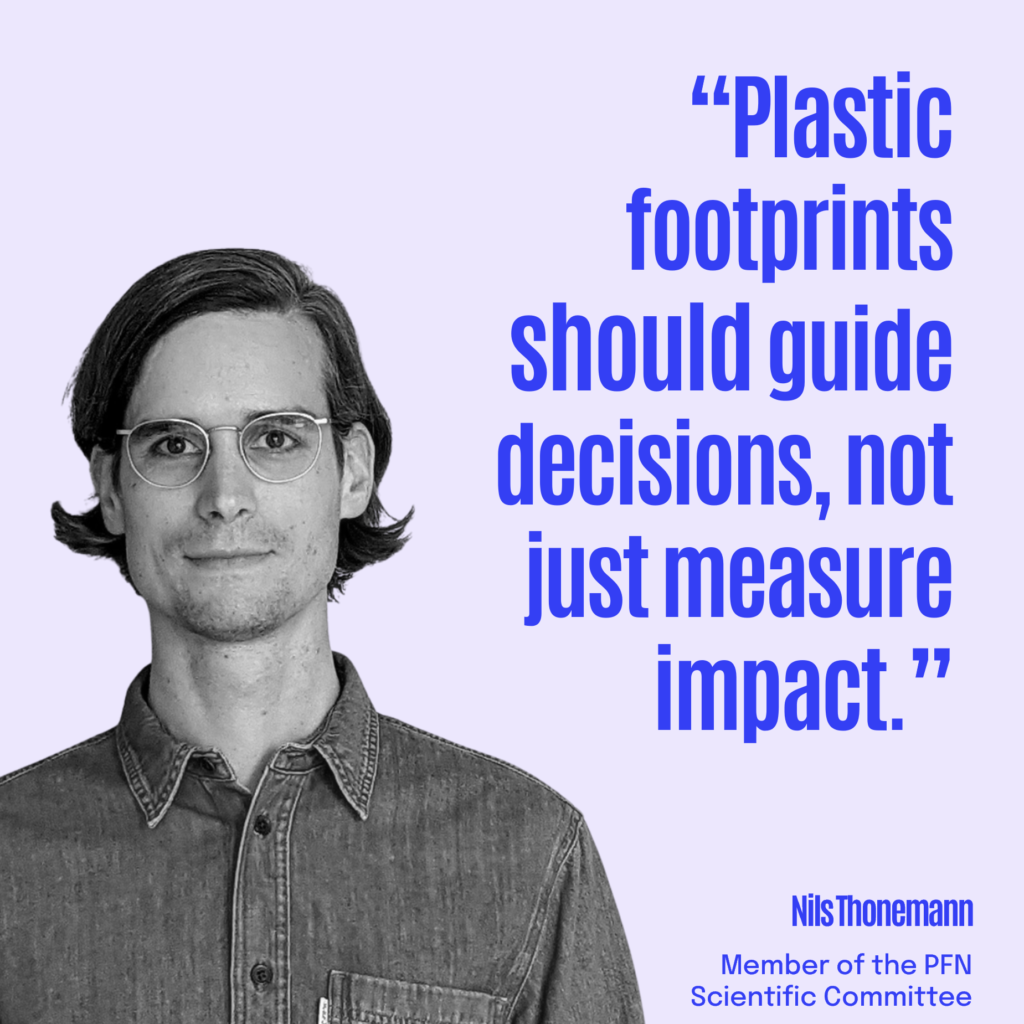
As we close the 2025 cycle of the Plastic Footprint Network (PFN), we mark an important milestone in the evolution of the methodology.
Over the past year, PFN has continued to grow into a more complete, robust, and actionable

How big a problem are microplastics?

Les nanoplastiques des emballages, qui contaminent massivement nos aliments, peuvent être limités par de bonnes pratiques

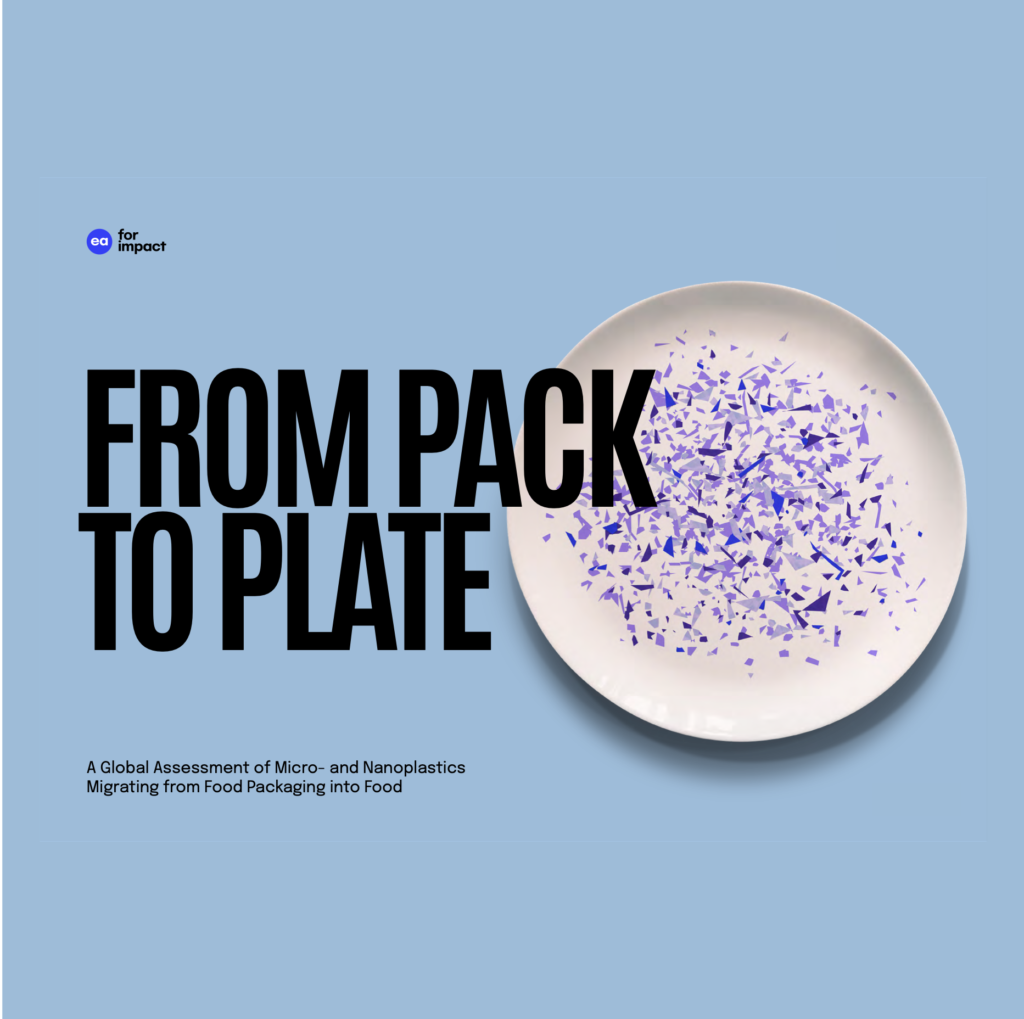
This report is the first global synthesis to systematically quantify the release of micro- and nanoplastics (MNP) from food packaging directly into food.

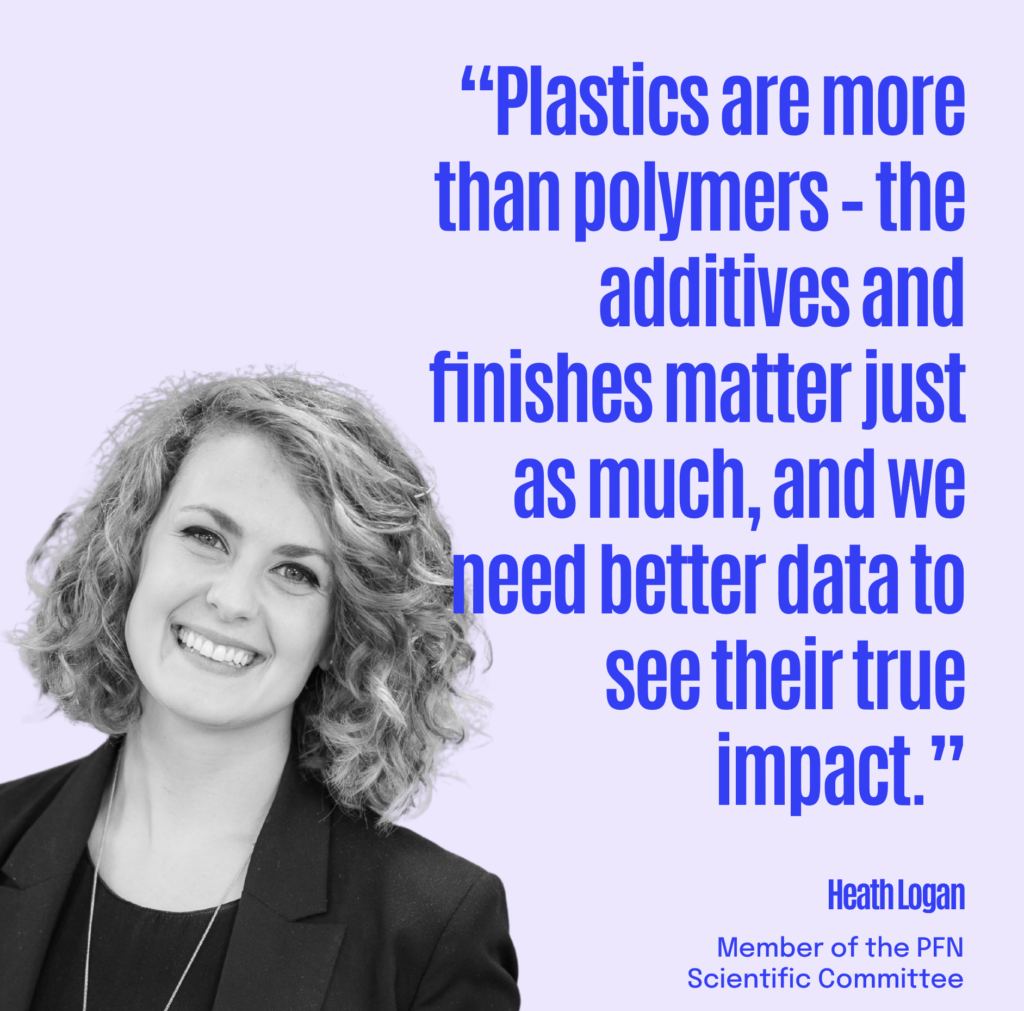
Authors: Noémie Voirin Tricky plastics, big unknowns Plastics are everywhere, but not all microplastics are the same. Tires, paint chips, and synthetic fibers behave differently from the types most studied in oceans and rivers. Zoie Diana, interdisciplinary environmental scientist and PFN

Author: Charlotte Stalder The Plastic Footprint Network (PFN), convened by Earth Action, brings together companies, researchers, and practitioners to develop a science-based and actionable approach to measuring and reducing plastic pollution. Building on its work to standardize plastic footprinting, PFN is now introducing

The packaging data problem

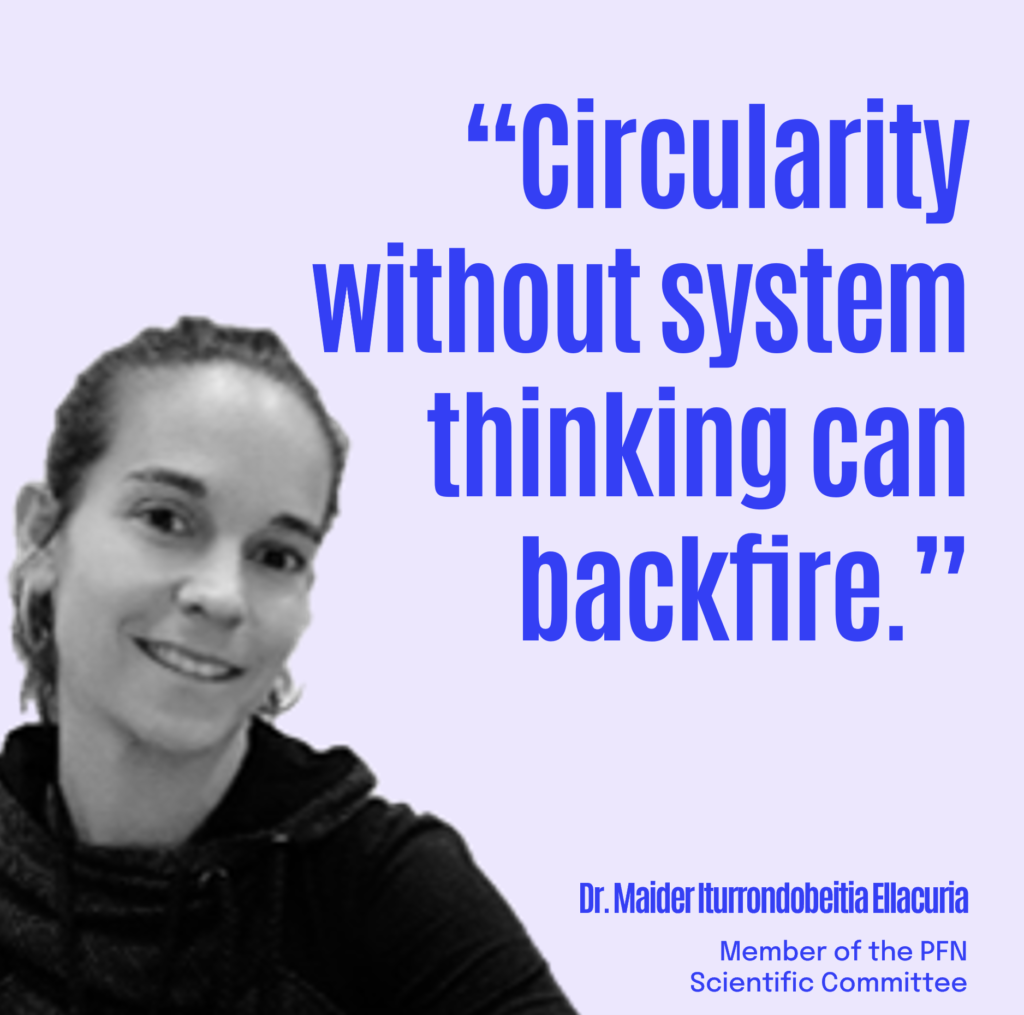
Author : Noémie Voirin and Sarah Perreard Plastic pollution is often framed as a waste problem. But long before a product becomes waste, critical decisions have already been made — in material selection, design, sourcing, and performance requirements. Maider Iturrondobeitia Ellacuria works precisely at that upstream

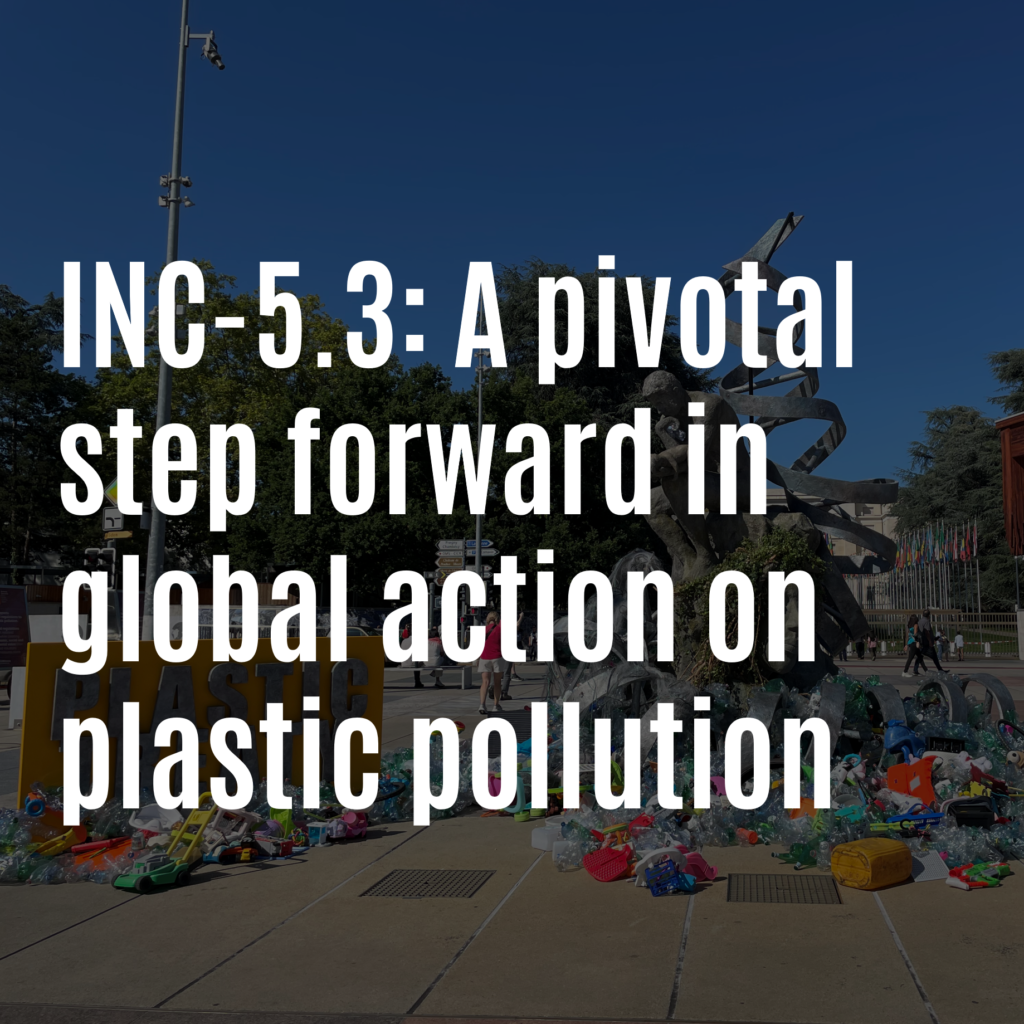
Author : Noémie Voirin A short but important session Global action on plastic pollution took a decisive step forward in Geneva this February. The Intergovernmental Negotiating Committee (INC) met in Geneva for the third part of its fifth session — INC-5.3

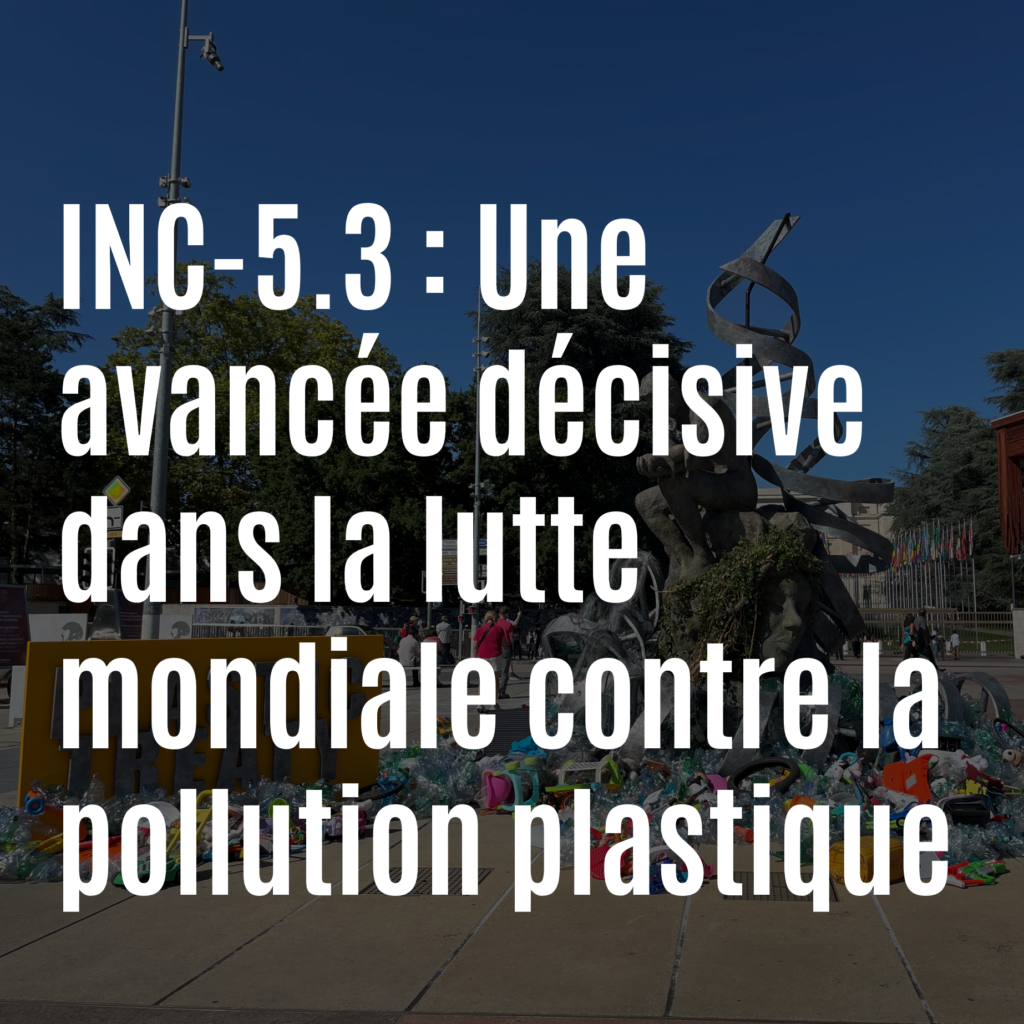
Auteur : Noémie Voirin Une session courte mais stratégique En ce mois de février à Genève, l’action mondiale contre la pollution plastique a franchi une étape clé. Le Comité intergouvernemental de négociation (INC) s’est réuni pour la troisième partie de

Après Davos, les signaux qui redessinent la compétitivité suisse

Author : Noémie Voirin The Plastic Footprint Network (PFN) brings together scientists, companies, and policymakers to measure and reduce the impacts of plastics. Nadim Saadi, recently appointed co-chair of the PFN Scientific Committee, focuses on understanding the often-overlooked effects of microplastics and developing

2025 has been a defining year for the Plastic Footprint Network (PFN). While international negotiations toward a Global Plastics Treaty are still struggling to deliver the ambition the world urgently needs, one thing has become clear across the private sector.

Toxiques nos ustensiles de cuisine ?

Plastic Overshoot Day marks the point when the amount of plastic waste generated exceeds the world’s capacity to manage it, resulting in environmental pollution. In 2025, the global Plastic Overshoot Day is projected to occur on September 5th.

La pollution plastique représente-t-elle déjà un actif toxique?

Authors : Sarah Perreard of Earth Action and Ligia Moreno Soares of Valuing Impact INC-5.2 Geneva negotiations end without a plastics treaty: what businesses need to know After two weeks of negotiations in Geneva, INC-5.2 closed without agreement on a

Pollution plastique : l’échec de Genève ne doit surtout pas servir d’alibi à l’inaction

As negotiators and observers gather for the resumed fifth session of the Intergovernmental Negotiating Committee (INC-5.2), the momentum around a legally binding global plastics treaty is reaching a critical stage. With decisions looming on scope, obligations, financing, and implementation mechanisms,

World Wildlife Fund (WWF) commissioned Earth Action (EA) to assess the global costs and benefits of banning and phasing out problematic plastic products to support WWF’s ongoing plastic advocacy efforts

World Wildlife Fund (WWF) commissioned Earth Action (EA) to assess the global costs and benefits of banning and phasing out problematic plastic products to support WWF’s ongoing plastic advocacy efforts
EA – Earth Action
Lausanne, Switzerland
Ch. des vignes d’argent 7
1004 Lausanne Suisse
Subscribe to receive the latest research, insights and news from EA
For additional information on how to unsubscribe, our privacy practices, and how we are committed to protecting and respecting your privacy, please review the EA Privacy Policy.