

News, stories and insights
May 29th 2026
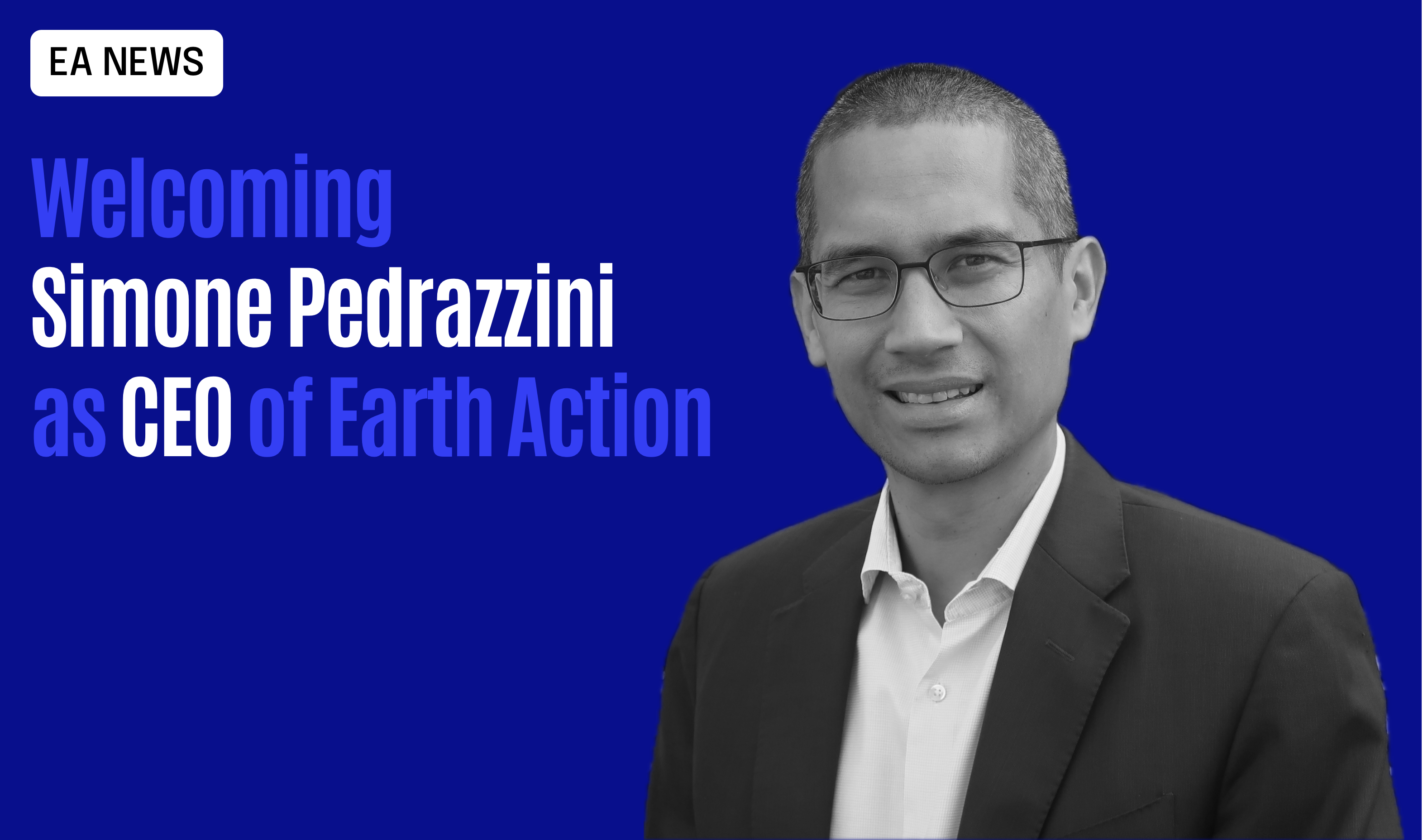
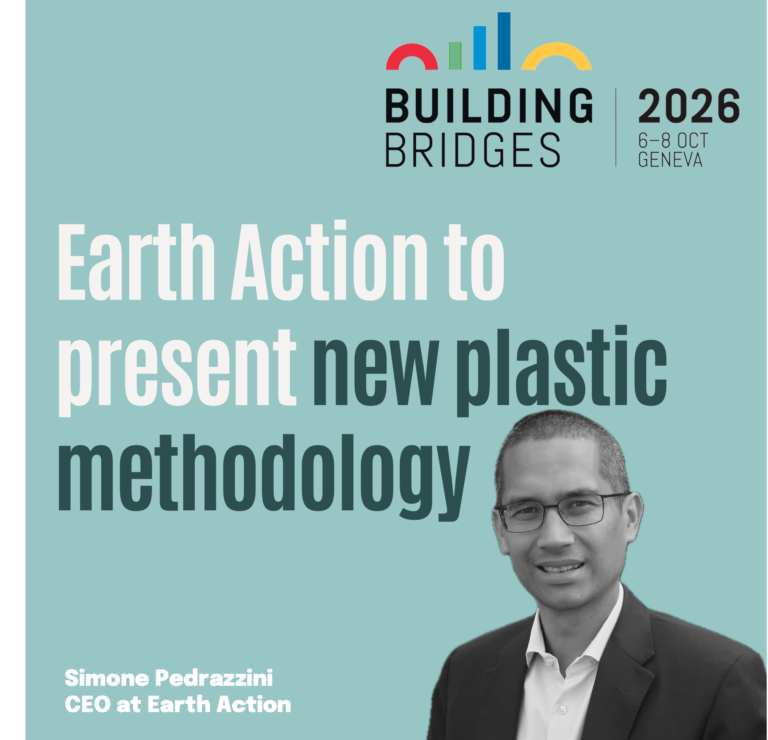
EA welcomes Simone Pedrazzini as CEO
EA is growing with intention. After building the science, strengthening our internal foundations, and deepening our commercial reach, we are proud to welcome Simone Pedrazzini as CEO. Simone brings over fifteen years of sustainability consulting experience, including building Quantis Italy from scratch and leading Quantis Switzerland.
He joins a team that believes rigorous science and real impact are the foundation, and that helping organisations stay strong through disruption is how that impact becomes real. As he puts it: “The aim is not a stable company — stable too easily becomes frozen. The aim is a resilient one.” Meet Simone.
The microfiber regulations are here. Is your brand ready?
Microfiber regulation is no longer incoming. France’s ADEME default scoring kicks in this October, the EU’s green claims enforcement starts in September, and the EPR fee structures arrive from 2027 onwards. In this issue we map what is already in force, what is coming, and why the rPET claim that has served as a sustainability shortcut for years is becoming a legal liability.
Read the full piece here, and write to us if you’d like the detailed regulatory intelligence report we have put together for brands working through this internally.
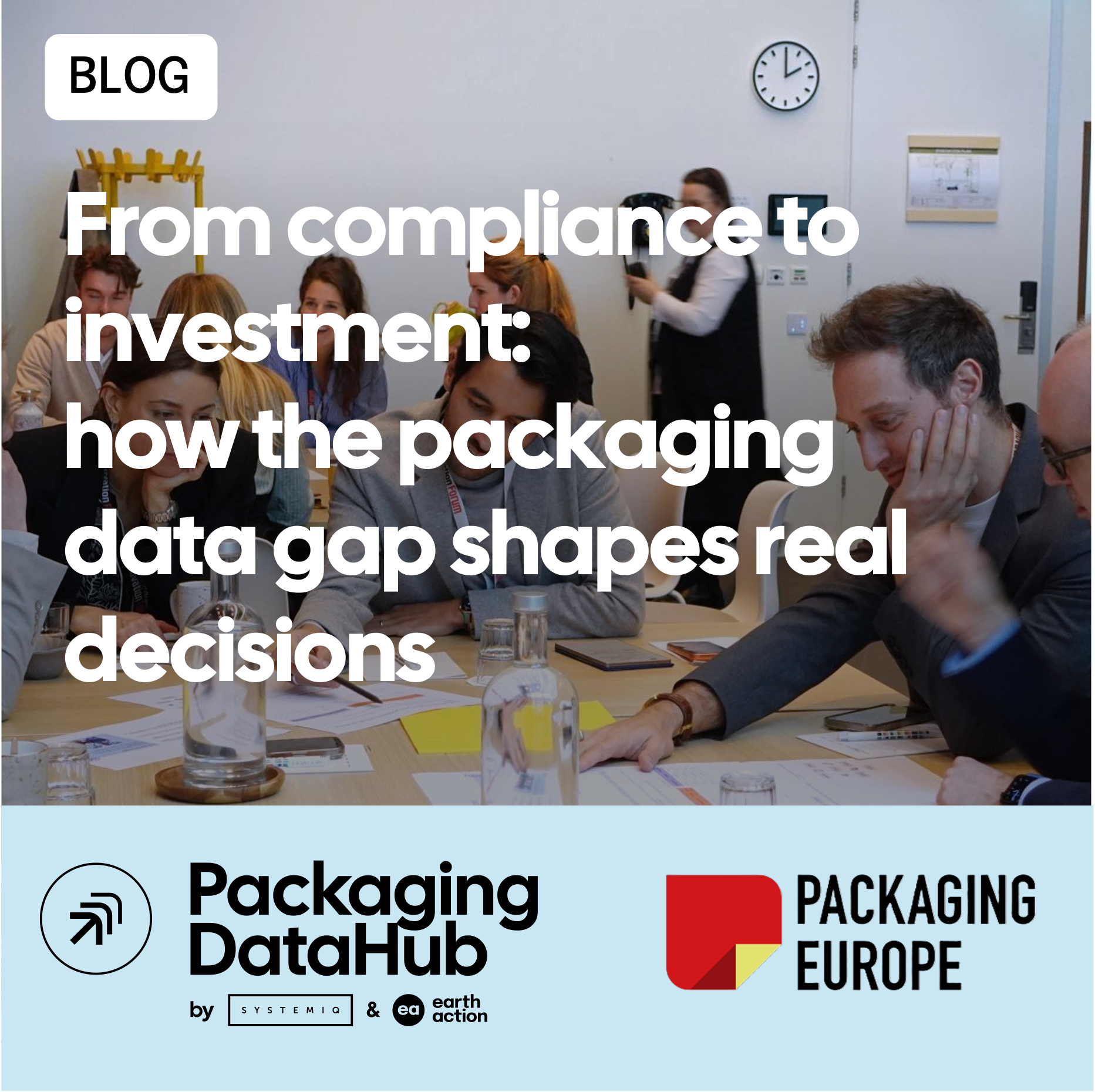
How do you make confident packaging decisions when you can’t clearly see what happens after use?
In a new article published in Packaging Europe, the Packaging Data Hub builds on a discussion convened at Innovation Forum’s Sustainable Packaging, where our session explored why better end-of-life data matters for circular packaging strategies and reporting.
This piece takes that conversation further, showing how the packaging data gap shapes real decisions in practice: from preparing packaging portfolios for regulatory compliance in Europe to deciding whether to support projects on waste management infrastructure development.
It features insights shared during the forum by Lucie Charbonnel, Sustainability Director at Amcor, leading the circularity and decarbonisation agenda for flexibles in Europe, and Marco Volpi, Global Packaging Data Lead at Nestlé, leading packaging sustainability reporting.

Earth Action is officially certified Net Zero Roadmap Advisors
Your company’s decarbonization can be funded by the Swiss Confederation — provided you have the right roadmap.
We are now registered as Net Zero roadmap advisors with ITINERO, the federal program run by the FOEN and SFOE, anchored in the Climate and Innovation Act.
What is a Net Zero roadmap? It’s a structured plan that enables a company, or an entire industry sector, to map out its decarbonization through to 2050:
- GHG inventory (scopes 1 & 2, and ideally scope 3)
- Analysis of available technical reduction solutions
- Trajectory with milestones in 2030 and 2040
- A concrete action plan with realistic timelines
Why is this strategic right now? Because the roadmap is the key to accessing ITINERO federal subsidies to fund innovative decarbonization projects — the first projects were already funded in 2025.
Done well, it’s not just a reporting exercise: it’s a practical lever for mobilizing public funds toward your transition investments.
Are you an industrial company, an industry association, or an SME looking to structure your climate trajectory? Contact us to discuss it.

Can you still communicate about your environmental impact?
A look back at the B Together event of 7 May 2026, organised by id est avocats and the B Corp network in Lausanne.
As legal risk grows, many companies are choosing silence. The event’s message was the opposite: communicate less, but better — with documented evidence.
What the regulations now require:
In Switzerland, the revised UCA (2025) and the FOEN guidance (March 2026) require that any climate claim be objective, verifiable and transparent. In Europe, Directive ECGT 2024/825 (transposition deadline: 27 September 2026) prohibits generic claims without substantiation, and blacklists sustainability labels not accredited by a public authority.
A label like B Corp attests to a broad ESG commitment — but does not constitute standalone climate proof. That proof must come from the company itself, backed by a recognised methodology.
Carbon footprint, LCA, plastic footprint — whatever the analysis, EA Earth Action provides what the law requires: objective, rigorous and auditable evidence. B Corp sets the framework; EA provides the proof. A complementarity that enables confident communication, on both the Swiss and European markets.
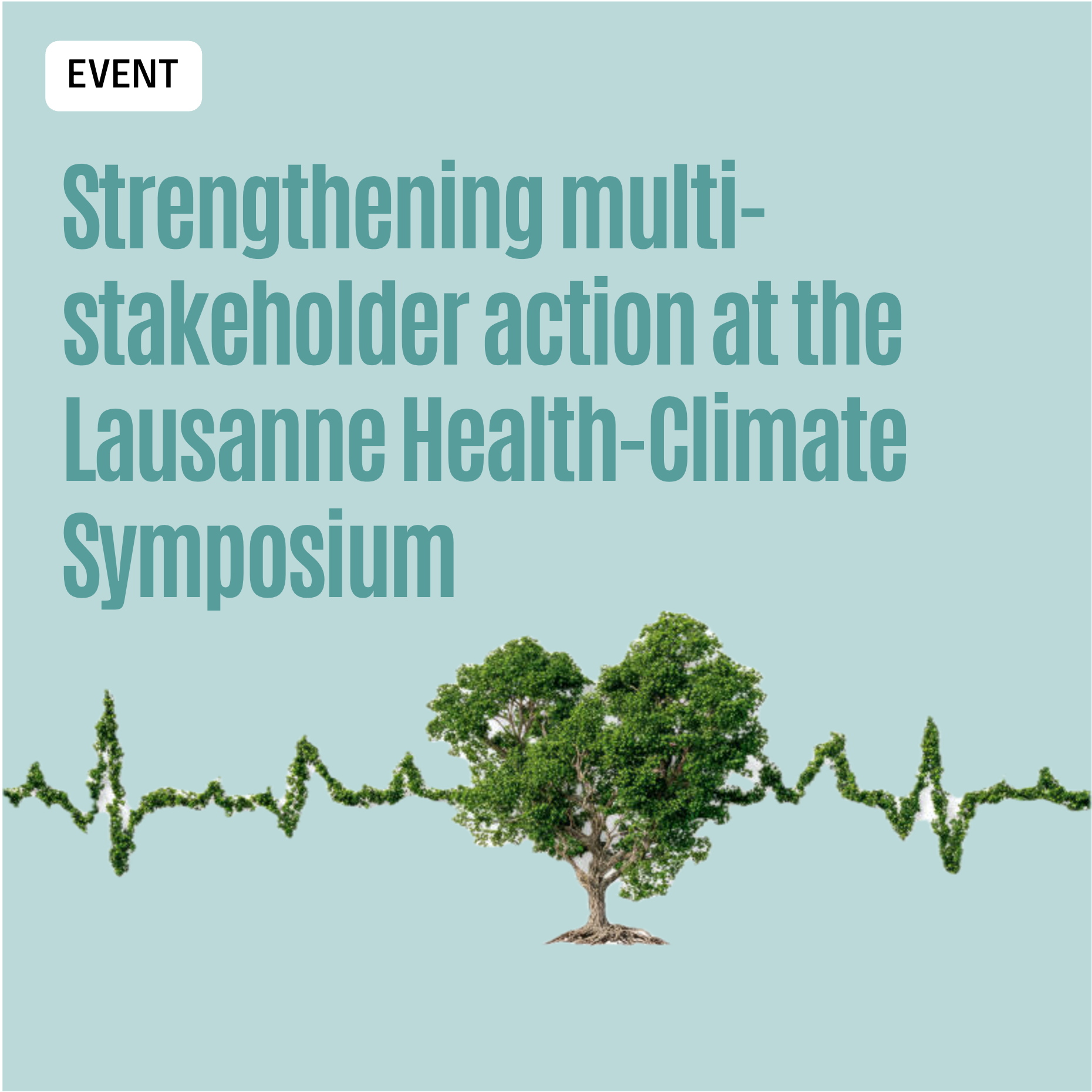
Strengthening multi-stakeholder action at the Lausanne Health-Climate Symposium
Climate change has a major impact on population health. It was therefore encouraging to see such strong mobilization for this event organized by Unisanté and La Source on May 7th 2026. A wide range of stakeholders, from public services to hospitals, clinics, and academic institutions, shared the same conclusion: the urgency of coordinated action, both in adaptation and mitigation.
Earth Action has been supporting this sector for many years. The role we continue playing as a technical partner to multi-stakeholder initiatives naturally shaped our discussions: structuring methods, supporting measurement, and identifying levers for action.
This role is part of a broader effort to support a political will to better protect vulnerable populations and strengthen inter-institutional coordination in order to turn intentions into action.
The presentations confirmed the need for pragmatic tools to move from awareness to implementation, and we are very enthusiastic about continuing this momentum.
In Case You Missed It
Catch up on key reports, articles and consultations:
The GHG Protocol rethinks corporate carbon accounting
Actions and Market Instruments Standard – GHG Protocol (open consultation until 15 June 2026)
The GHG Protocol is developing a standard to account for what corporate carbon inventories currently leave out: purchases of low-carbon certificates (green steel, SAF), carbon credits, avoided emissions, and climate investments outside the value chain. The aim is to structure these impacts across four distinct GHG reporting statements, improving transparency and reducing double counting.
Airborne microplastics identified as previously unrecognised contributors to atmospheric warming
Atmospheric warming contributions from airborne microplastics and nanoplastics
Using a radiative transfer model and experimentally derived optical properties, researchers quantified for the first time the direct climate forcing of airborne microplastic and nanoplastic particles. Their warming effect is estimated at 16.2% of that caused by black carbon globally, and can exceed it regionally, suggesting current climate models may be underestimating plastic-related forcing.
Food and beverage plastic packaging identified as the dominant item on coastlines across 112 countries
Food and beverage plastics dominate global shorelines: A harmonized rank-based assessment of usage types to guide interventions
Analysing over 5,300 shoreline surveys across 112 countries, researchers found food and beverage plastics rank among the top three most prevalent litter types in 93% of nations surveyed. Plastic food packaging, caps and lids, and bottles appear most frequently, pointing to upstream product design and reduction policies as necessary interventions.
Germany ranked world’s largest plastic waste exporter in 2025, shipping over 810,000 tonnes overseas
Germany was largest exporter of plastic waste in 2025, sending most to Netherlands, Malaysia and Turkey, data shows
Germany exported more than 810,000 tonnes of plastic waste in 2025, remaining the world’s largest exporter. The data highlights the continued dependence of European waste systems on international trade routes and raises questions about downstream treatment, traceability and leakage risks.
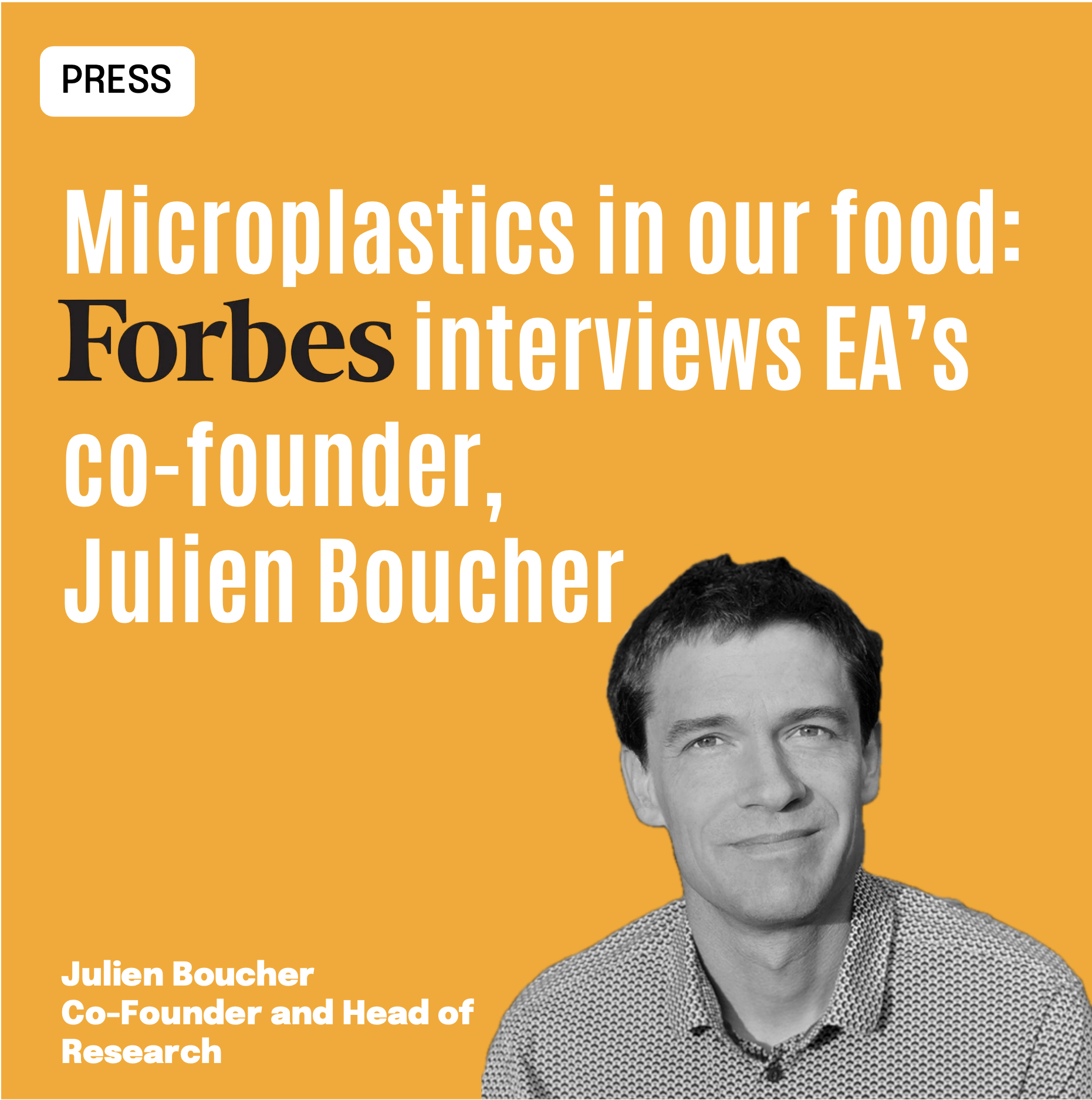
Our research lands in Forbes: Julien Boucher quoted on microplastics migrating from food packaging
Forbes covered the growing evidence on microplastics migrating from food and drink packaging — and interviewed Julien for his expertise. A milestone in bringing the topic of plastic migration into mainstream business and sustainability conversations.

Julien Boucher makes the case: our food safety rules don’t cover how packaging physically breaks apart into what we eat
In this op-ed, Julien lays out the regulatory blind spot no one is talking about: 1,000 tonnes of micro- and nanoplastics enter our food supply from packaging each year, yet current food safety rules still focus on chemical migration, not physical particle release.
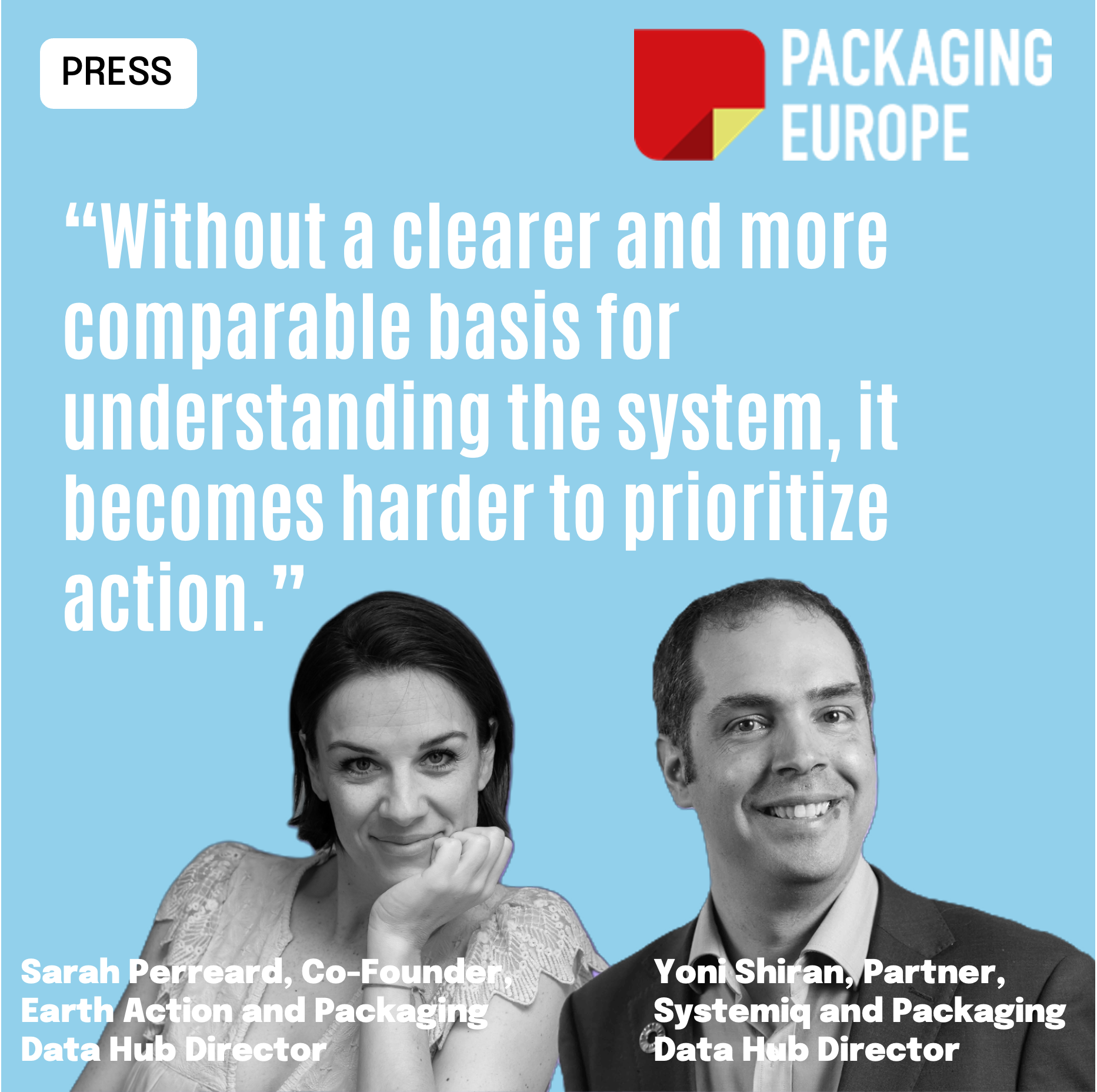
New article in Packaging Europe
The Packaging Data Hub’s latest piece in Packaging Europe examines how gaps in end-of-life data affect real-world packaging decisions — from regulatory compliance and portfolio strategy to investments in waste management infrastructure.
On our radar
Beyond our own work, we track key policy moves, insights, and analysis shaping the sustainability agenda. This section spotlights external developments and perspectives we think are worth your attention.
This month’s dominant pattern is familiar: ambition persists, but so does the pressure to dilute it.
In the EU, the tension is playing out on two fronts simultaneously. The Commission’s revised European Sustainability Reporting Standards are now in public consultation, with proposals to simplify disclosure requirements while keeping the core architecture of sustainability reporting.
The draft retained the EU’s double materiality approach, under which companies must report both financial and societal impacts, setting aside pressure to align more closely with the US-style financial materiality model.
At the same time, ECHA’s public consultation on PFAS restrictions shows how technical evidence is shaping regulatory ambition in real time. The two scientific committees are not aligned: RAC supports strong restrictions with targeted derogations, while SEAC is still weighing proportionality, transition timelines and socio-economic feasibility.
At the international level, signals are mixed. The global plastics treaty has gone through three successive negotiating sessions without agreed text, and Norway has reportedly placed aspects of its UNEP funding on hold — a move characterised by one senior INC adviser as a political signal about process dysfunction, though UNEP has expressed confidence in Norway’s continued leadership.
The Chair has indicated that INC-5.4 is likely to be held in Nairobi from 13 to 24 March 2027, preceded by a Heads of Delegation meeting in Nairobi from 30 June to 3 July 2026.
Meanwhile, on carbon markets, Singapore and the Philippines signed an Article 6.2 Implementation Agreement on 30 April, the Philippines’ first bilateral carbon credits deal under the Paris Agreement.
Two further developments suggest that accountability mechanisms are tightening, in finance and in the courts. From 21 June, firms providing external reviews of European Green Bonds must register with ESMA, reinforcing scrutiny around sustainable finance claims. In the US, Suncor v. Boulder County is now before the Supreme Court, as climate litigation continues to move through state courts in California courts and Hawaii.
The case will determine whether fossil fuel companies can be sued under state law for climate damages — a question with direct consequences for dozens of similar cases.
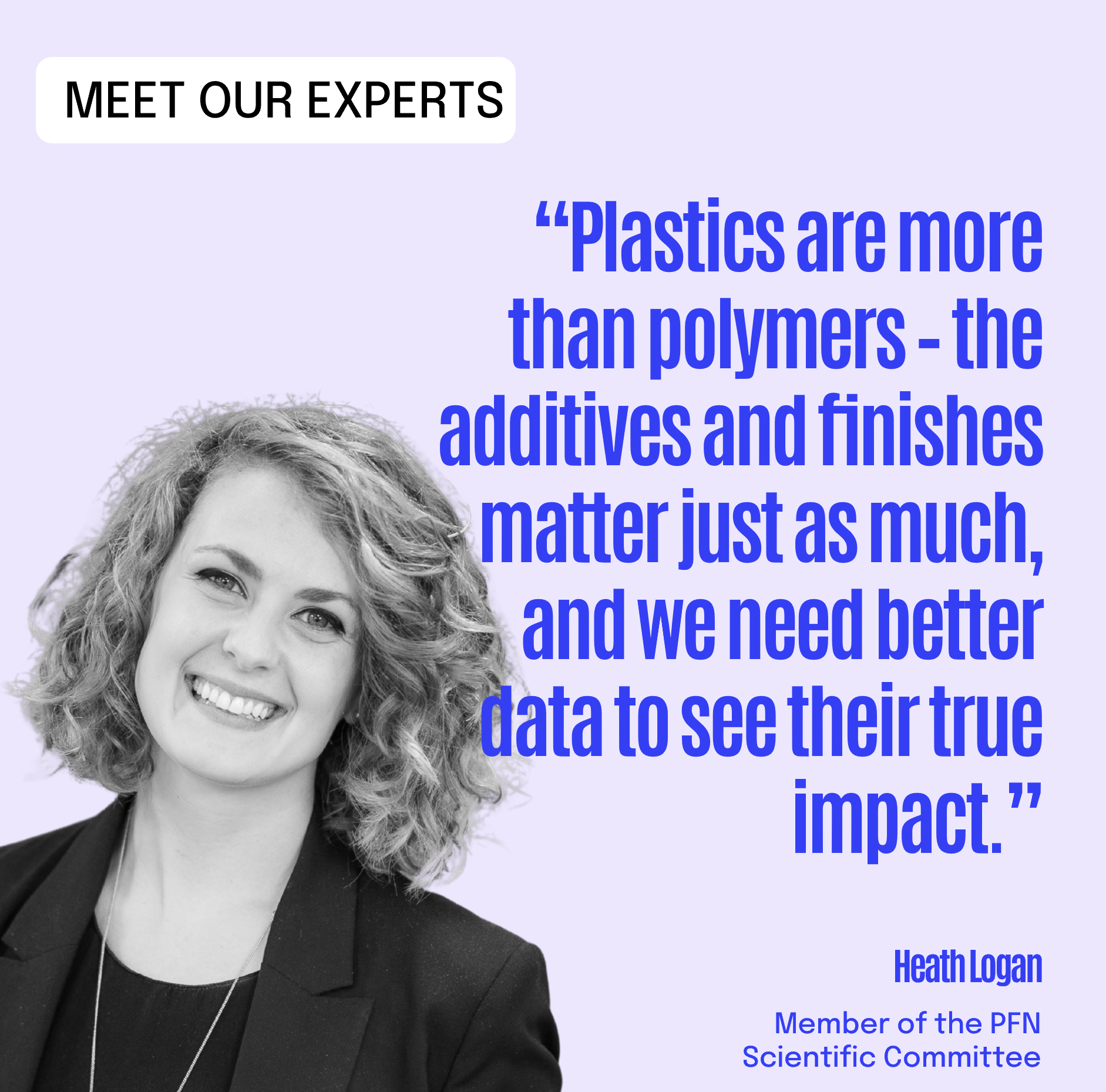
Beyond the polymer: understanding plastic additives
Plastics are more than polymers – additives and treatments play a huge role in their environmental footprint. Heath Logan, PFN Scientific Committee member, explains why understanding additives is essential to tackling plastic pollution and improving sustainability strategies.
Thank you for reading the latest Earth Action Newsletter! If you found this issue valuable, please forward it to colleagues and
Have ideas on how to make this newsletter more valuable to you? Let us know!


©EA – Earth Action SA
Lausanne, Ch. des Vignes d’Argent 7, 1004 Lausanne, Switzerland
Mettre à jour vos préférences | You are getting this note because you subscribed to hear from Earth Action.
Don’t want to hear from us anymore ? Unsubscribe