
News, stories and insights
November 26th 2026
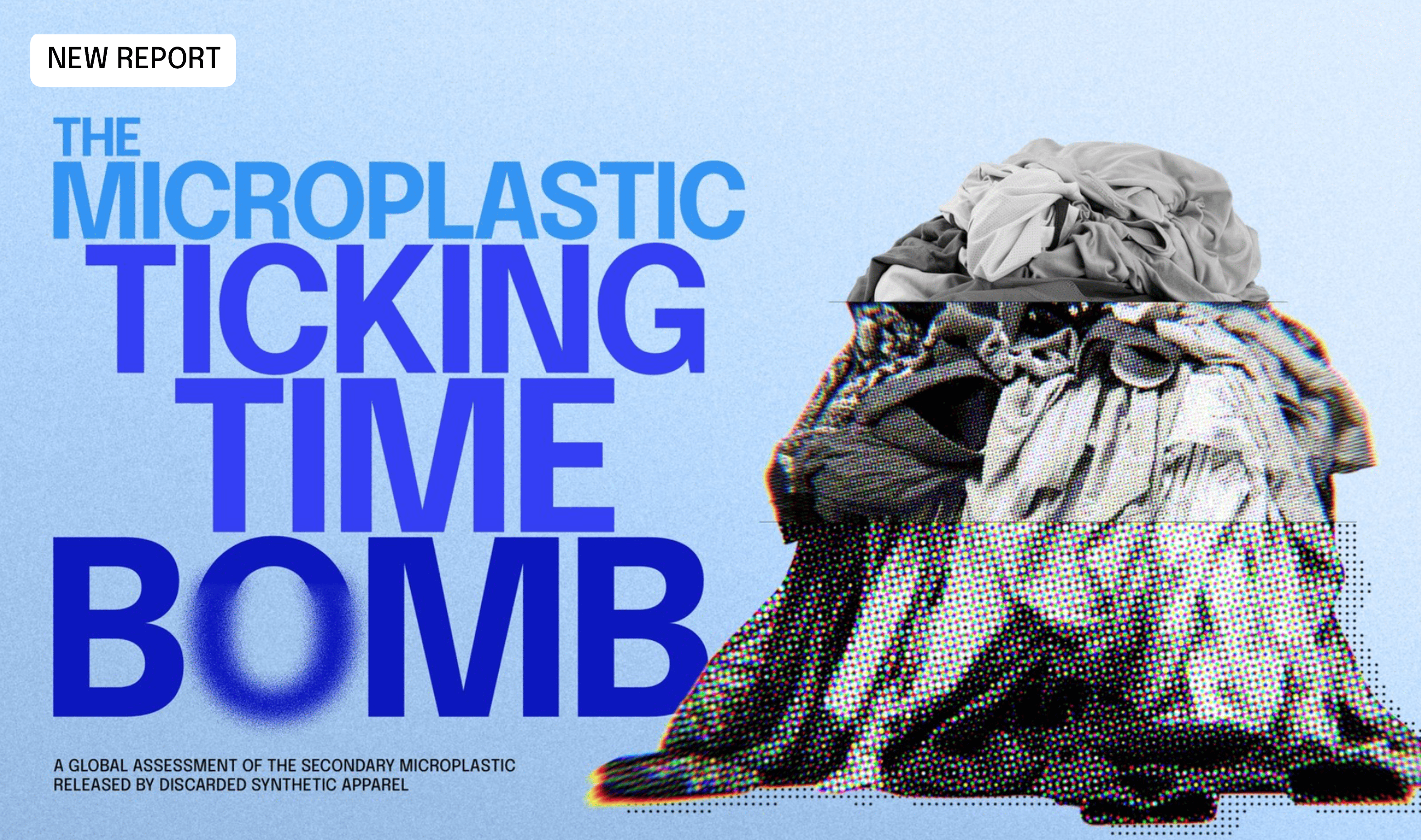
New report out: The Microplastic Ticking Time Bomb
A synthetic garment buried in a landfill keeps fragmenting for about two centuries. Across the world’s landfills and dumpsites, discarded synthetic clothing leaked an estimated 0.9 million metric tons of microplastic to the environment in 2024, and 85% of what has been deposited since 1963 has not yet started to break down.
Earth Action’s new report, supported by Cotton Incorporated, shows that where clothes end up matters more than how many: those left in the open drive 90% of the leakage, and one in seven discarded garments is disposed of outside the country where it was worn. It sets out who carries the burden, how much is still to come, and which levers act first.
Looking back on the Packaging Data Hub launch
The Packaging Data Hub launched on 11 November at the Sustainable Packaging Summit in Utrecht. In this article, we look back at where it came from and why Systemiq and Earth Action built it as shared infrastructure. The Hub grew out of years of Earth Action’s plastic footprint work and brings comparable recycling data for 12 plastic packaging formats across 50 countries, with sources and a confidence level behind every figure. Its Steering Committee brings together the Ellen MacArthur Foundation, The Consumer Goods Forum, CDP, the Global Plastic Action Partnership, WRAP and WWF.
Policymakers and academic institutions can access it free of charge for non-commercial use. Discover how the Hub came about, what its first results show, and what comes next.

Make it visible, then act: data put to the test
On 11 November, Earth Action held the first “rendez-vous EA” at the unlimitrust campus in Prilly. Around the table: a glaciologist, a scientist from the State of Valais, an infrastructure project manager at SBB and the co-founder of an industrial company, each asked to tell the story of a piece of data that made visible what no one could see.
At SBB, infrastructure, not trains, accounts for nearly half of the group’s emissions. In Valais orchards, fuel and yield weigh more than farming practices. All came back to the same question: once the data exists, what makes it understood and acted on? Charlotte Stalder and Vincent Duffau’s write-up covers the discussion and the five themes under consideration for a second edition.

e-Luxury Summit 2026, Lausanne
On 24 November, Simone Pedrazzini, CEO of Earth Action, moderated the closing round table of the e-Luxury Summit 2026 at IMD in Lausanne. With Pauline Evequoz (Chopard), Valentina Villani Macri (Bulgari), Francesca Rena (Vam Investments) and Davide Giunta (Temera), he explored how sustainability gives maisons visibility beyond their first-tier suppliers, and how shared targets and shared data turn that visibility into a more resilient value chain.
EA produces decision-ready sustainability knowledge so that luxury maisons and their suppliers can act and stay robust. To continue the conversation, contact Simone at simone.pedrazzini@e-a.earth.
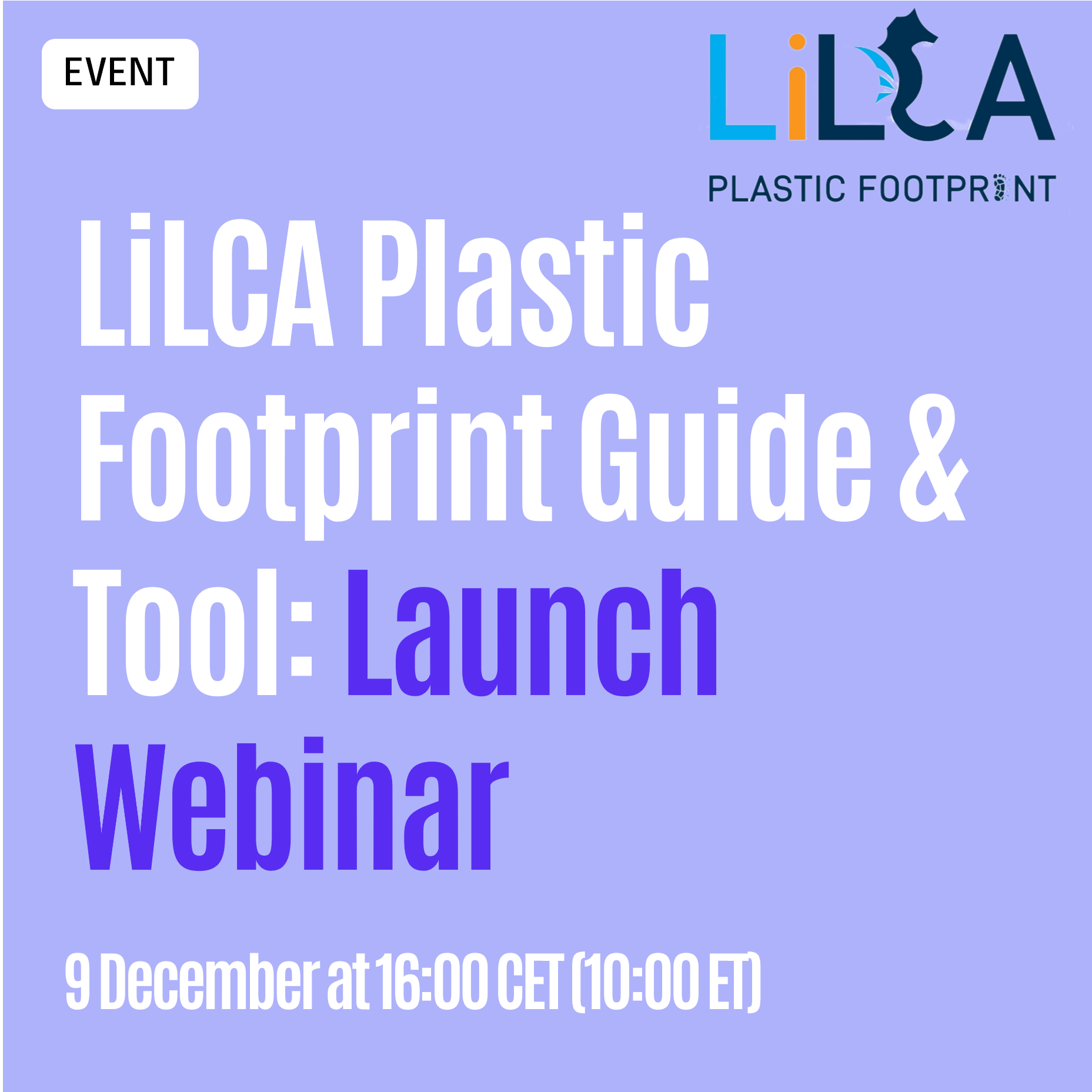
MarILCA launches LiLCA: a plastic footprinting tool and guide, with a webinar on 9 December
The MarILCA working group (Marine Impacts in Life Cycle Assessment) is launching LiLCA (Litter in LCA), a tool and guide for including litter, including plastic pollution, in life cycle assessment (LCA). LiLCA covers everything from inventorying losses to the environment, using inventory data based on the Plastic Footprint Network, to assessing impacts on ecosystems.
The launch webinar is on 9 December 2026 at 10 AM EST / 4 PM CET (60 minutes) and will cover the guide and give a live demo of the tool. The webinar is intended for LCA practitioners, researchers, and sustainability professionals assessing plastic products.
In Case You Missed It
Catch up on key reports, articles and consultations:
Microplastics react chemically with water instead of staying inert
Intrinsic physicochemical activity at microplastic–water interfaces
Researchers at Columbia University and UC Berkeley show that common microplastics spontaneously produce reactive oxygen species, including hydroxyl radicals, when they come into contact with water. The effect grows as the surface becomes more water repellent. In laboratory tests, polystyrene particles also changed a model protein, which suggests one way microplastics could damage cells. Read the article
Microplastics reach the blood of wild mammals, even far from human development
Human land use drives microplastic abundance in terrestrial wildlife
Microplastics were found in the blood of 43 of 47 wild lowland tapirs and giant anteaters tracked across Brazil, at about 74 particles per millilitre on average. Levels rose with exposure to human land use and with proximity to waste infrastructure, but particles also turned up in animals living far from development. Read the article
Two legacy PFAS linked to higher rates of an aggressive breast cancer subtype
Per- and Polyfluoroalkyl Substance Exposure and Breast Cancer Incidence in the Sister Study
An NIH analysis compared 1,609 women who developed breast cancer with 2,269 women who did not. Women with the highest blood levels of PFOA and PFOS had 67% and 93% higher rates of ER-negative breast cancer than those with the lowest levels. The study found no clear association with breast cancer overall. Read the article
Plastic circularity in Germany is limited more by waste infrastructure and recyclate rules than by polymer choice
Circularity of different plastic product sectors in Germany: Product interaction with surrounding infrastructure
Using the Material Circularity Indicator (scale 0 to 1), the study scores German plastic sectors highest in agriculture (0.39), packaging (0.36) and building (0.28), although 43% to 97% of polymers are mechanically recyclable. In most sectors, waste collection systems and missing recyclate rules limit circularity more than polymer choice. Read the article
A record-strength El Niño is forecast to peak around December 2026
‘Simply staggering’: Rapidly developing ‘super El Niño’ on track to peak in December
Drawing on more than 600 runs from 14 climate models, Carbon Brief’s state-of-the-climate update reports that the current El Niño is projected to peak with an anomaly of around 4°C, with 10 of 14 models expecting the peak in the final month of the year. Because global temperatures typically lag warming in the tropical Pacific by around three months, the event will have its largest effect on global temperatures in 2027. Read the article
Global fossil CO2 emissions are projected to dip slightly in 2026
Global Carbon Budget 2026
According to the 2026 Global Carbon Budget, published in Earth System Science Data, CO2 emissions from fossil fuels and cement are projected to fall by around 0.4% in 2026, to 38.2bn tonnes. The report attributes part of the decline to reduced oil use linked to the Iran conflict rather than to clean energy alone, and total CO2 emissions, including land use, are projected to reach a record high of 43.3bn tonnes. Read the article
The ocean’s share of CO2 uptake has grown since 1990, while the net land sink has stalled
Atmospheric O2 reveals a strengthening ocean carbon sink and a stagnant net land sink since 1990
Using atmospheric oxygen measurements, a Scripps-led study in Science finds that the ocean has absorbed carbon dioxide from fossil-fuel emissions at an increasing rate since 1990, growing by about 0.63bn tonnes of carbon per year each decade, while net uptake by forests, soils and other land ecosystems has not grown. The results indicate that the two largest natural carbon sinks are evolving differently. Read the article
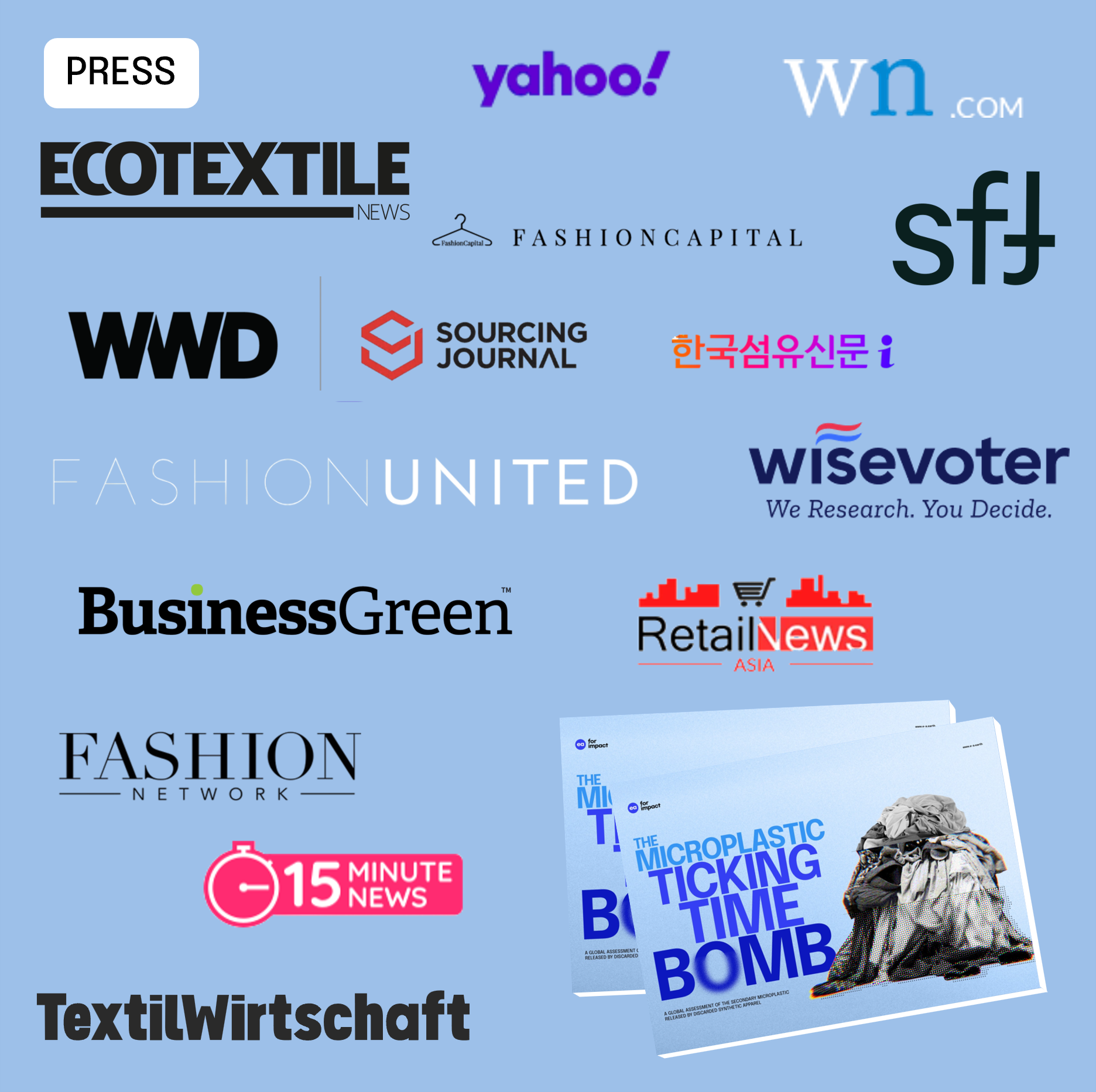
The Microplastic Ticking Time Bomb in the press
Earth Action’s Microplastic Ticking Time Bomb report drew coverage this month in WWD, BusinessGreen, FashionUnited, Ecotextile News and Germany’s Textilwirtschaft, with pickup as far as South Korea. Sustainable Fashion Forum used it to ask whether microplastic pollution could change what fashion brands pay in textile Extended Producer Responsibility (EPR) fees.
WWD · BusinessGreen · FashionUnited · Ecotextile News
Textilwirtschaft · South Korea (ktnews) · Sustainable Fashion Forum
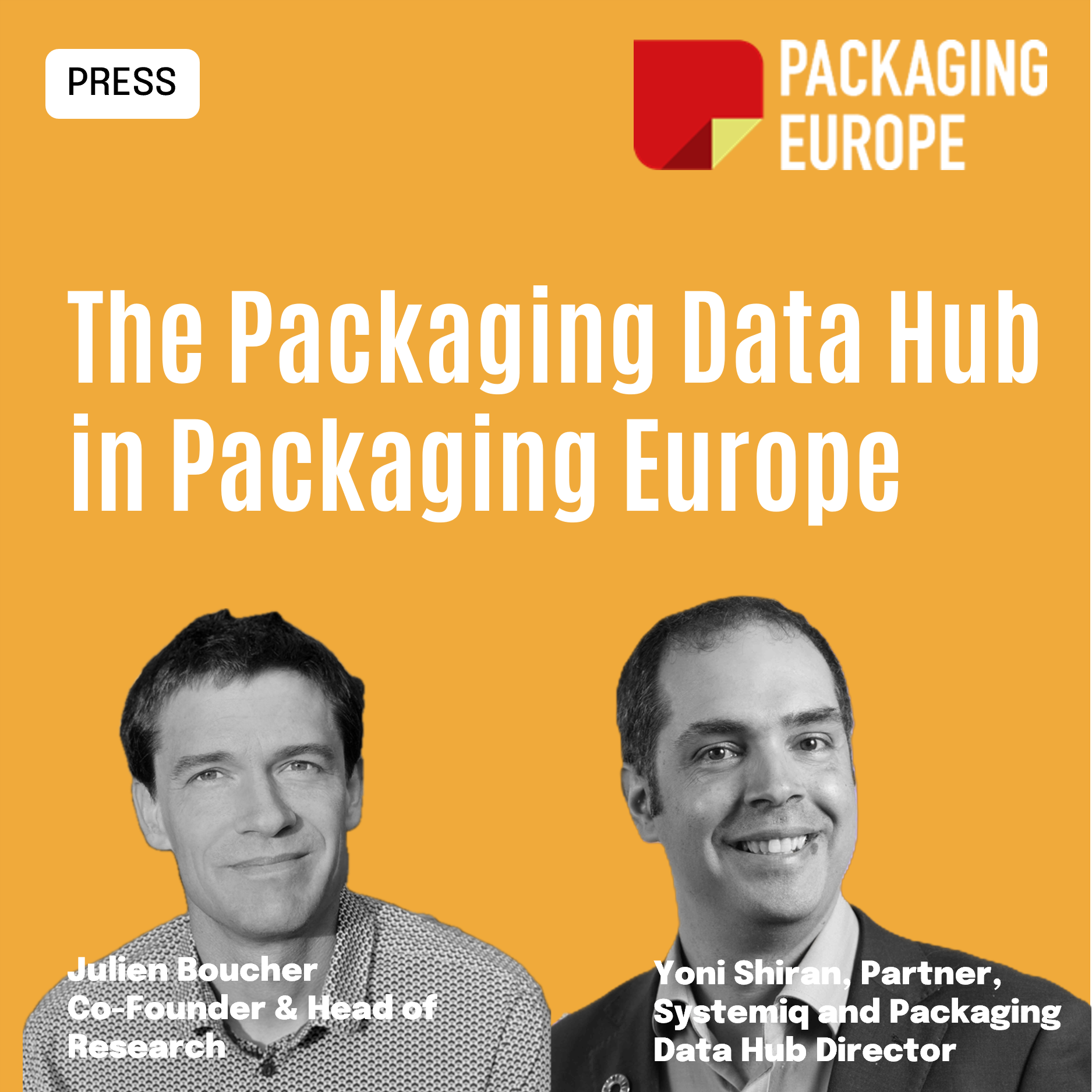
Packaging Europe covers the Packaging Data Hub launch
Packaging Europe covered the launch of the Packaging Data Hub by Systemiq and Earth Action at the Sustainable Packaging Summit on 11 November. The article details the Hub’s harmonised recycling data for plastic packaging across 50 countries and 12 formats, with insights from Julien Boucher, co-founder of Earth Action, and Yoni Shiran of Systemiq.
The Packaging Data Hub launch in the press
The Packaging Data Hub launch was covered across the packaging and supply chain trade press, including Packaging Europe, which interviewed the Hub’s directors, Packaging News, Germany’s packaging journal and the US title Supply & Demand Chain Executive, with pickup as far as South Korea’s ESG press and China.
Packaging Europe · Packaging News · Packaging Journal (Germany)
Supply & Demand Chain Executive · South Korea’s ESG press · China
Illuminem on Building Bridges 2026
In its review of Building Bridges 2026 in Geneva, illuminem lists among the forum’s launches the free methodology for measuring financed plastic pollution released by Earth Action, a.s.r. asset management and CDP, which applies financed emissions accounting principles to plastic-related risk.
On our radar
Beyond our own work, we track key policy moves, insights, and analysis shaping the sustainability agenda. This section spotlights external developments and perspectives we think are worth your attention.
Technical work concluded everywhere this month. Political agreement held in one room and gave way in the other.
ECHA adopted its final opinion on the universal PFAS restriction on 19 November, closing a scientific evaluation opened in 2023. Both committees now back a restriction covering the whole group, with use-specific derogations, having found that current rules do not contain PFAS emissions or risks. The science is settled; the law is still to be written. The opinions go to the Commission in December, which must turn them into a text and put it to member states. Two days later the ban on plastic waste exports outside the OECD took effect under the Waste Shipment Regulation. Here too, the rule applies before everything is in place: the Commission is still assessing which receiving countries can handle the waste, and will publish a first list of authorised destinations by December.
The negotiations diverged. In Yerevan, COP17 closed on 31 October with some fifty decisions, among them the Yerevan Pathway, which responds to the first global review of the Kunming-Montreal framework. In Antalya, COP31 ended on 22 November without any agreement on its overarching text, after two days of overtime. The EU formally objected to the final draft, which said nothing about moving away from fossil fuels. A set of separate decisions was adopted nonetheless.
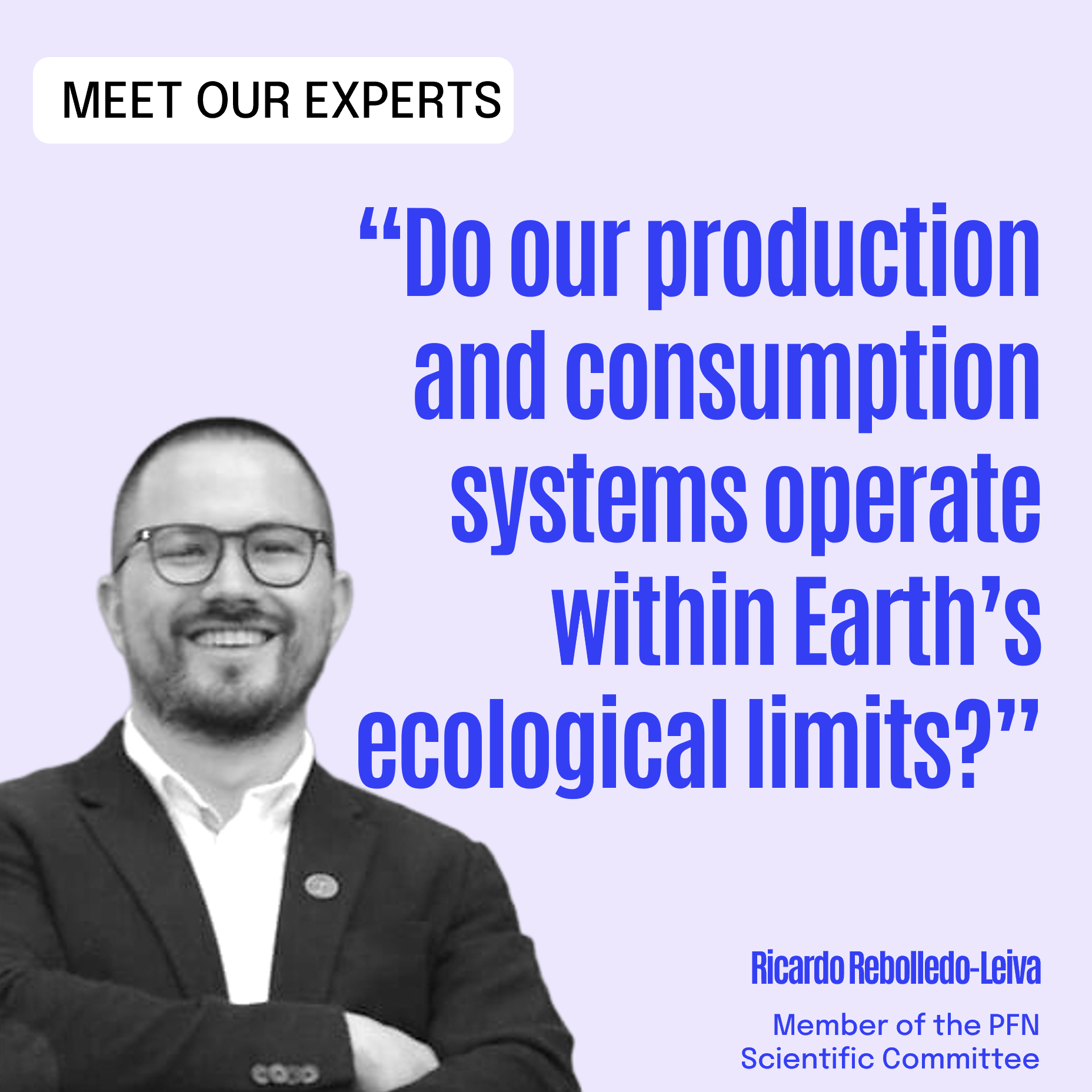
From relative targets to absolute limits: insights from Ricardo Rebolledo-Leiva on plastic footprints
Most corporate environmental targets are relative: lower than last year, lower than a baseline. Ricardo Rebolledo-Leiva, Plastic Footprint Network Scientific Committee member and assistant professor at Universidad Católica del Maule in Chile, works on absolute environmental sustainability assessment, which asks whether a system stays within defined environmental limits, not just whether it performs better than before.
An organization, on that view, can improve every year and still sit outside the Earth’s safe operating space. Measuring against those limits requires footprints that are comparable across products, organizations and regions and read alongside water, land and biodiversity indicators, which is the work he sees the network taking on.
Thank you for reading the latest Earth Action Newsletter! If you found this issue valuable, please forward it to colleagues and invite them to subscribe!
Have ideas on how to make this newsletter more valuable to you? Let us know!


©EA – Earth Action SA
Lausanne, Ch. des Vignes d’Argent 7, 1004 Lausanne, Switzerland
You are getting this note because you subscribed to hear from Earth Action.
Don’t want to hear from us anymore? Unsubscribe