

News, stories and insights
August 31th 2026
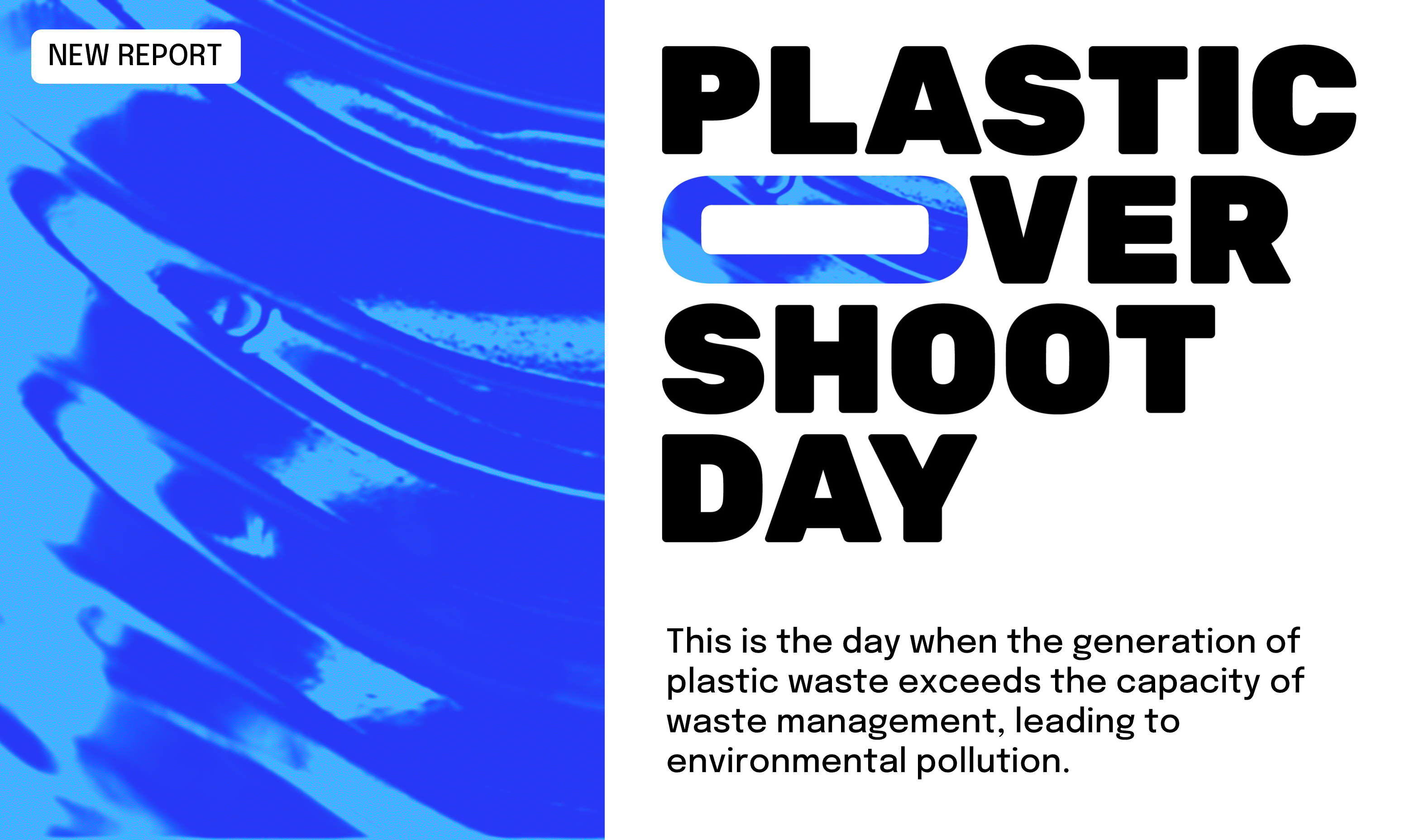
September 6th: A later Overshoot Day, but more mismanaged waste
Plastic Overshoot Day 2026 falls on September 6th, one day later than in 2025, the point when annual plastic waste generation exceeds the world’s capacity to manage it.
The later date reflects a real gain in waste management capacity. Yet this gain has not been enough to offset the trend: this year, 31.6% of global plastic waste, close to 72 million tons, will be mismanaged, 2.5 million tons more than in 2021. Over the same five years, global plastic waste generation rose from 202 to 227 million tons, growing faster than management systems could keep pace with.
EA’s 2026 report breaks down every country’s overshoot date and sets out what the UN Plastic Treaty must include to close the gap.
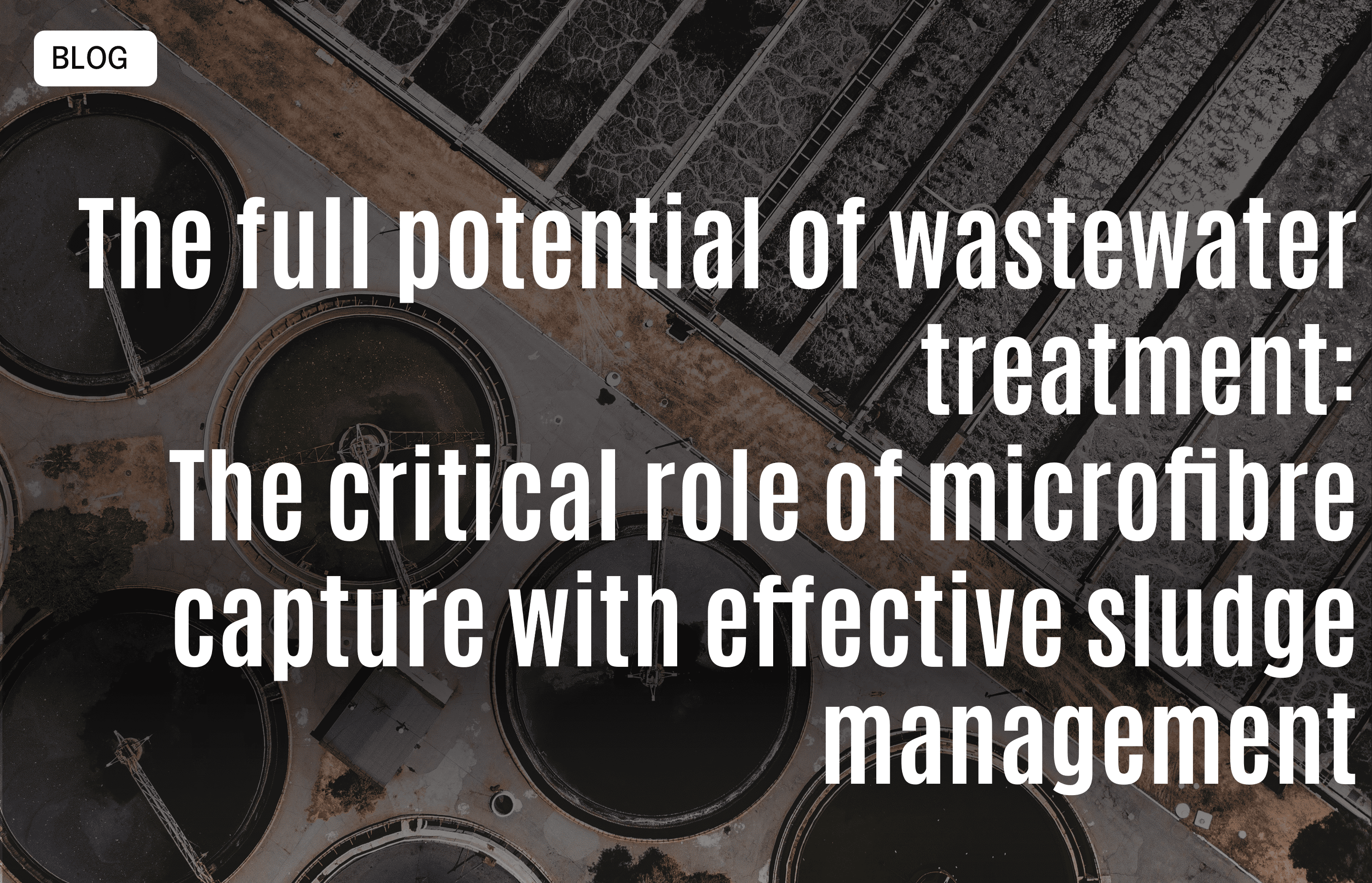
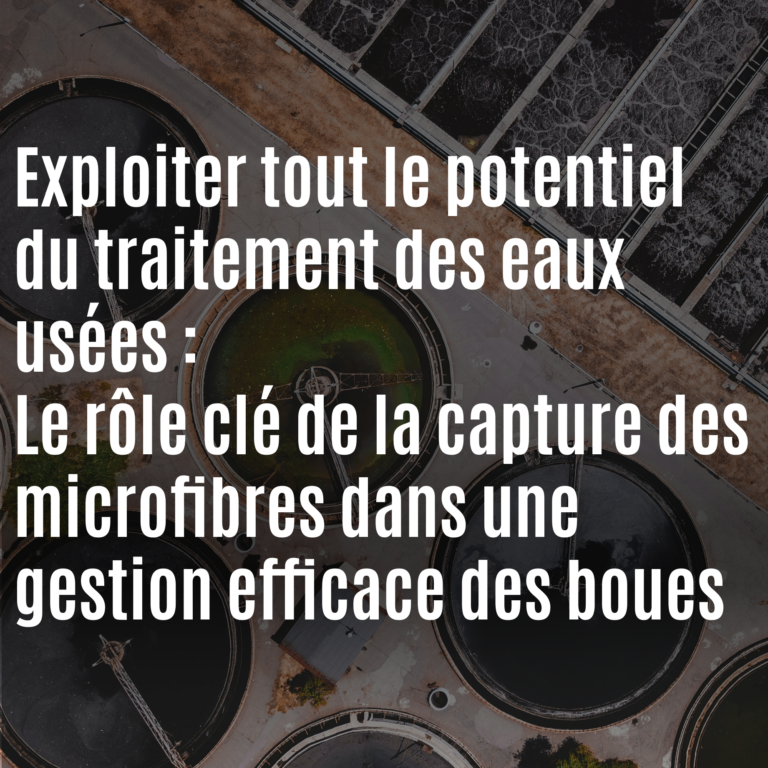
The full potential of wastewater treatment: The critical role of microfibre capture with effective sludge management
In July, we published From Shedding to Solutions (FSTS), our modelling of microfibre pollution across the textile value chain and the levers available to reduce it. One finding was easy to misread: universal tertiary wastewater treatment cuts total microfibre leakage by just 6%. On its own, that looks disappointing. It isn’t, the fibre it captures doesn’t disappear, it gets redirected into sludge, and most sludge still isn’t disposed of safely.
In a new piece co-authored with Matter, we bring wastewater treatment and sludge management back together and show what the report’s separate figures could underplay: paired, the same modelling points to a reduction of 94%, just a point behind the report’s own Ideal scenario.
Read the piece
Read the full From Shedding to Solutions report
PPWR is live. Its targets aren’t.
12 August 2026 came and went as EU packaging law’s big application date, widely read as the moment reduce, recycle and reuse targets became binding. In practice, none of that is true yet: the real targets start in 2030, and the rule deciding whether reuse targets are actually met isn’t due until 2027.
A reuse rate alone can’t show whether reuse is doing its job: cutting the plastic pollution it’s partly meant to address. A plastic footprint can, and PPWR’s own reporting already covers much of the data a footprint calculation needs. EA is working to make that methodology accessible through the Plastic Footprint Network.
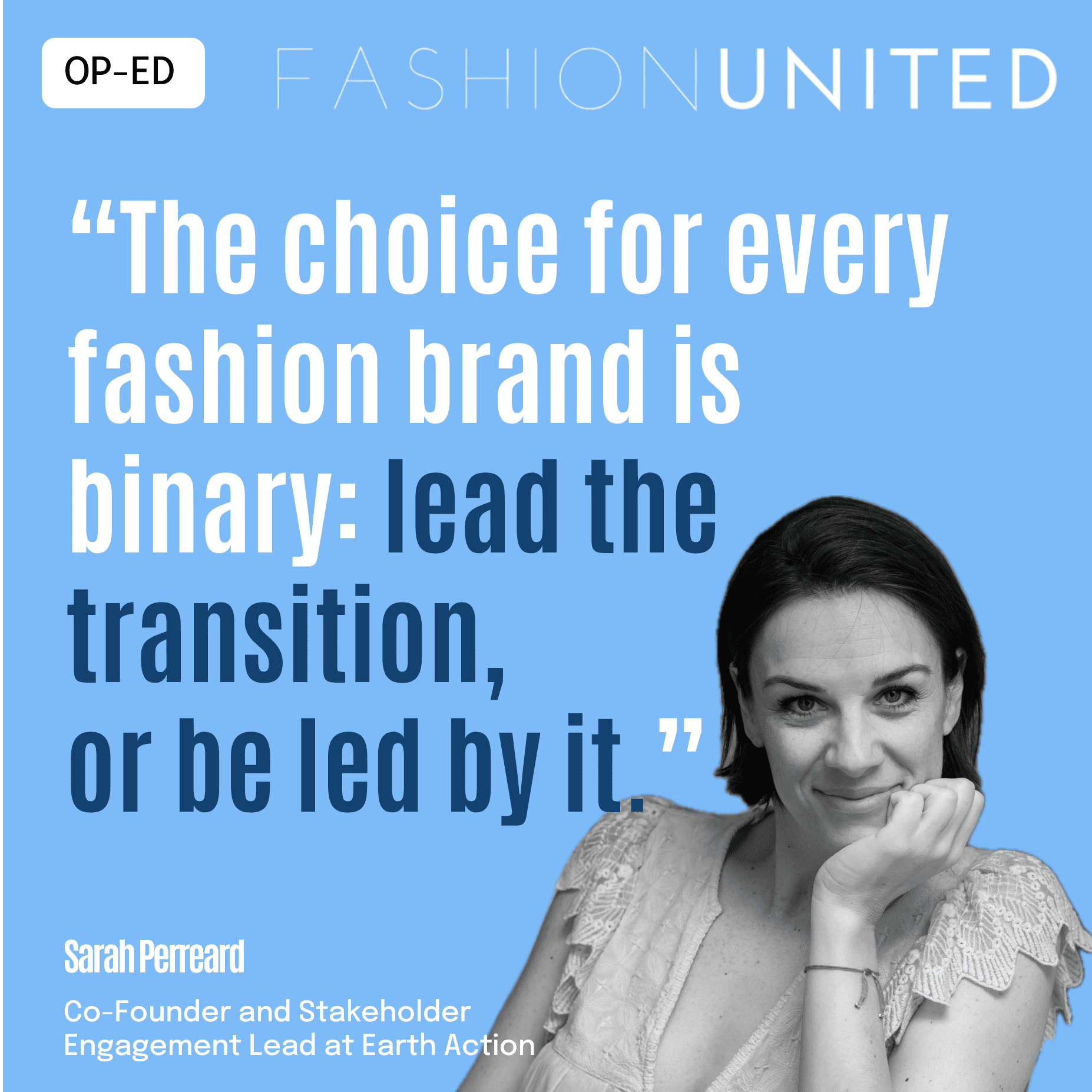
Your clothes are shedding microfibres – and regulators are coming
In a new op-ed for FashionUnited, Sarah Perreard, Co-CEO of Earth Action, unpacks the findings behind From Shedding to Solutions: textile production alone sheds an estimated 92,000 tonnes of microfibres a year, and even after wastewater treatment, 63% still reach the environment.
She traces the regulatory wave already underway, from France’s mandatory shedding labels and EPR surcharges to the EU’s upcoming Empowering Consumers Directive and Digital Product Passport requirements, and flags a lesser-known risk: recycled polyester can shed as much or more than virgin fibre, undercutting sustainability claims built around it. Her conclusion: brands can lead this transition, or be led by it.

Eco-design, a differentiation lever for the watchmaking sector
Vincent Duffau, Business Strategist at Earth Action, will speak at the Reach & RSE seminar on 10 November 2026 in Neuchâtel. Committed to sustainable transformation and value chain transparency, he helps organizations embed environmental issues at the core of their business model.
He will present Earth Action’s work, from life cycle assessment and eco-design for watchmaking, to developing sector-specific methodologies, tools and emission factors, and bringing brands and suppliers together to harmonize practices.
Programme and registration at https://scbt.ch/.
In Case You Missed It
Catch up on key reports, articles and consultations:
Microplastics shown to reduce nutrient bioavailability by binding to dietary proteins and lipids during digestion
Microplastics as an environmental driver of impaired nutrition
A laboratory study finds that common plastic particles, including HDPE and PTFE, adsorb dietary proteins and lipids under gastrointestinal conditions, reducing their bioavailability and impairing nutrient absorption in vitro. The findings identify a previously overlooked pathway by which microplastic ingestion may contribute to nutritional deficiencies and metabolic dysfunction.
Epidemiological evidence linking plastic chemicals to human health harm continues to grow across all major chemical classes
PlasticHealthAware: Presenting the Latest Meta-Analytical Findings on Plastic Chemicals and Human Health
A Boston College and Minderoo Foundation umbrella review, now drawing on 196 systematic reviews and 6,841 meta-analyses, finds continuing increases in statistically significant evidence of harm from bisphenols, phthalates, and PFAS. New findings include elevated risks of adverse infant outcomes, pregnancy complications, altered cholesterol levels in children, and reduced vaccine responses.
Microplastic and BPA concentrations significantly elevated in hemodialysis patients, pointing to dialysis equipment as an exposure source
Concurrent Assessment of Micro and Nanoplastics and Bisphenol A in Non-Dialysis Chronic Kidney Patients and Hemodialysis Patients: Results from a Cross-Sectional Human Biomonitoring Study Focusing on Sex-Related Patterns
A cross-sectional biomonitoring study measuring blood MNP and urinary BPA levels across chronic kidney disease patients, hemodialysis patients, and healthy subjects finds significantly higher concentrations in dialysis patients. Results point to plastic-based medical equipment as an additional and clinically relevant exposure route beyond diet and environment.
Ownership of polluting assets, not just production or consumption, reshapes who is responsible for emissions
Global inequalities in ownership-based carbon footprints
A World Inequality Lab study estimates ownership-based emissions across 197 jurisdictions over 2010–2022, linking emissions to asset owners via wealth, portfolio and foreign investment data. Concentration exceeds that of wealth itself. Large western European countries have cut production-based emissions but not the emissions they own abroad.
Southern Europe’s fire weather has intensified sharply, outpacing decades of gains in fire suppression
Major intensification of fire weather across southern Europe in recent decades
Using national wildfire statistics and reanalysis data for Portugal, Spain, France, Italy and Greece from 1981 to 2025, the authors find summer days with extreme fire-prone conditions have more than doubled across large parts of the region, with intensity up by as much as 50% in 2016–2025 versus 1981–2010 — even as the number of fires fell.

From Shedding to Solutions makes headlines from Forbes to Jakarta
Earth Action’s From Shedding to Solutions earned coverage across major sustainability and business outlets, including an interview with Forbes, an op-ed in FashionUnited, and pieces in BusinessGreen, Just Style and edie. The report also reached audiences in Indonesia, Turkey, India, Australia, South Africa and Sweden.
On our radar
Beyond our own work, we track key policy moves, insights, and analysis shaping the sustainability agenda. This section spotlights external developments and perspectives we think are worth your attention.
August was defined by application rather than adoption: the month’s significant developments involved rules taking effect rather than new commitments being made.
Two major EU instruments reached milestones within days of each other. On 12 August, the Packaging and Packaging Waste Regulation entered general application, eighteen months after adoption, replacing a directive dating from 1994 with rules applying directly and identically across all 27 member states. Among the measures taking effect immediately is a restriction on PFAS in food-contact packaging above defined concentration limits. Most of the regulation’s headline obligations, including harmonised labelling and reuse targets, phase in between 2028 and 2030.
The following day, Regulation (EU) 2026/1738 on circularity requirements for vehicle design and management of end-of-life vehicles entered into force. It consolidates two directives dating from 2000 and 2005 into a single instrument and introduces minimum recycled plastic content for new vehicles, though general application only begins in September 2028.
On the multilateral track, the INC Chair of the Plastics Treaty released an Aid to Negotiations ahead of informal talks in Bangkok (27 to 30 September). Independent experts and civil society groups have been critical of the text, describing it as less ambitious than the one discussed in Geneva last year, particularly on production, chemicals, and health provisions, while the Chair maintains it is procedurally neutral; a revised version is expected after Bangkok, with formal negotiations (INC-5.4) still targeted for 13 to 24 March 2027.
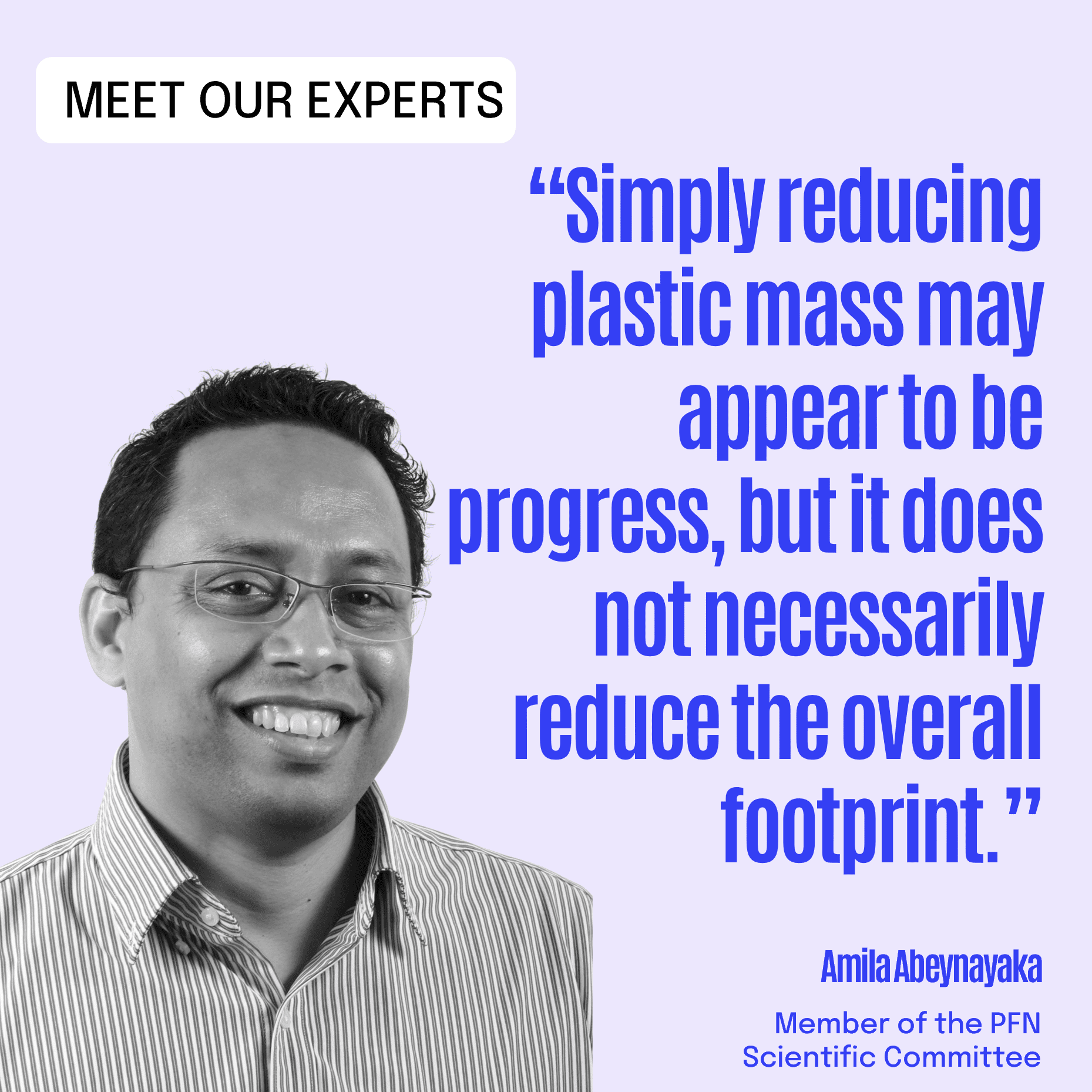
Mass isn’t the whole story: insights from Amila Abeynayaka on reducing plastic footprints
Plastic footprints are too often reduced to a single number: tonnes used or tonnes discarded. Amila Abeynayaka, PFN Scientific Committee member, explains why that framing misses what matters: composition, function, regional context, and the risk of shifting burdens from one material, region, or life-cycle stage to another.
His work spans laboratory studies, modelling, and life cycle assessment, aimed at giving policymakers, businesses, and practitioners the data and methods needed for meaningful, evidence-based reduction. Through PFN’s sector-specific modules, from tyres to textiles to construction, he sees a path from measurement to real, systemic action, one that also bridges Global North and Global South realities.
Thank you for reading the latest Earth Action Newsletter! If you found this issue valuable, please forward it to colleagues and invite them to subscribe!
Have ideas on how to make this newsletter more valuable to you? Let us know!


©EA – Earth Action SA
Lausanne, Ch. des Vignes d’Argent 7, 1004 Lausanne, Switzerland
You are getting this note because you subscribed to hear from Earth Action.
Don’t want to hear from us anymore? Unsubscribe