
News, stories and insights
May 1st 2026
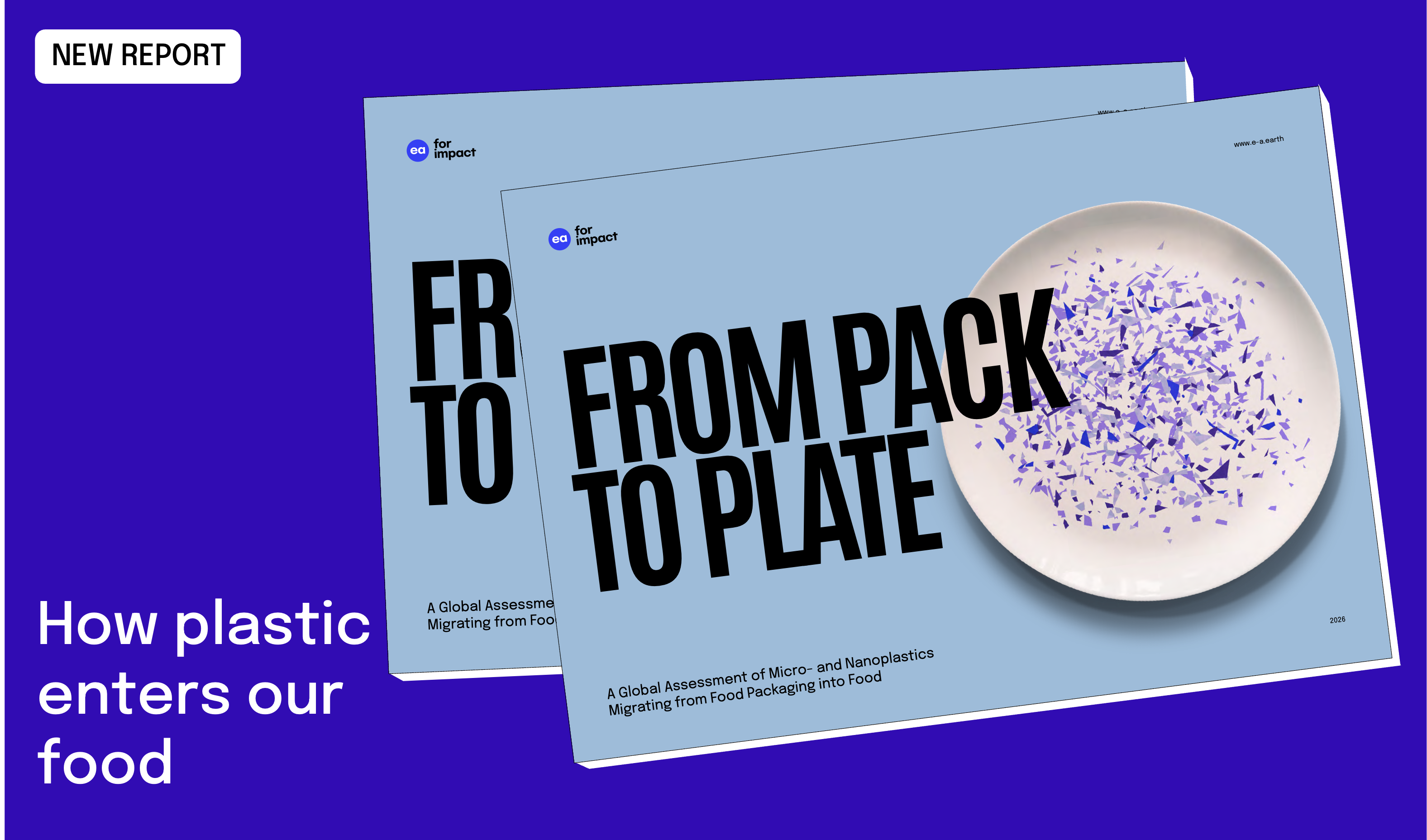
From pack to plate: revealing the hidden pathway of plastic into our food
Every day, billions of people eat and drink from plastic packaging. But how much plastic reaches our food? EA’s latest report, From Pack to Plate, is the first global synthesis to systematically quantify the migration of micro- and nanoplastics from food packaging into what we consume.
It estimates that around 1,000 tonnes enter food each year worldwide. The findings show exposure is more concentrated and preventable than previously understood: a limited number of packaging types and stress conditions drive a disproportionate share of emissions.
This means clear solutions exist. Smarter packaging design, stronger testing standards, improved manufacturing practices, and targeted regulation could significantly reduce exposure. Preventing plastic ingestion starts long before food reaches our plates.
Building the Capacity to Act: Why We Train Companies on LCA and Sustainability
Many companies still rely on consultants to deliver carbon footprints, LCAs, or climate roadmaps, without always having the internal capacity to fully use the results. Yet as expectations around environmental data and decision-making grow, this dependency is reaching its limits.
Building internal capabilities is becoming a strategic lever to move from analysis to action. So what does sustainability training actually change in practice? And why is it now a critical investment?
Switzerland’s New Sustainability Law: Are You Data-Ready?
Switzerland just opened consultation on a new corporate sustainability law that will require around 100 large Swiss companies to disclose their environmental and human rights impacts across their full value chain.
The law is not yet final, but the data needed to comply will take years to build. And if you are a supplier to a large Swiss company, this affects you too.
We unpack what the Corporate Sustainability Act means, who it touches, and why 2026 is the right moment to act.
PFN 2025: closing a cycle and looking ahead to what’s next
With the close of the PFN 2025 cycle, plastic footprinting takes a step forward driven by the release and update of key technical modules within the methodology. These include microplastics from tires, leakage from agriculture, long-life items, and the valuation of plastic leakage.
Together, these developments strengthen the ability to quantify, understand, and act on plastic pollution across value chains. As we enter the 2026 cycle, PFN is launching a prioritization phase to co-create the next wave of impactful research. Share your input and help shape the future of plastic footprinting.
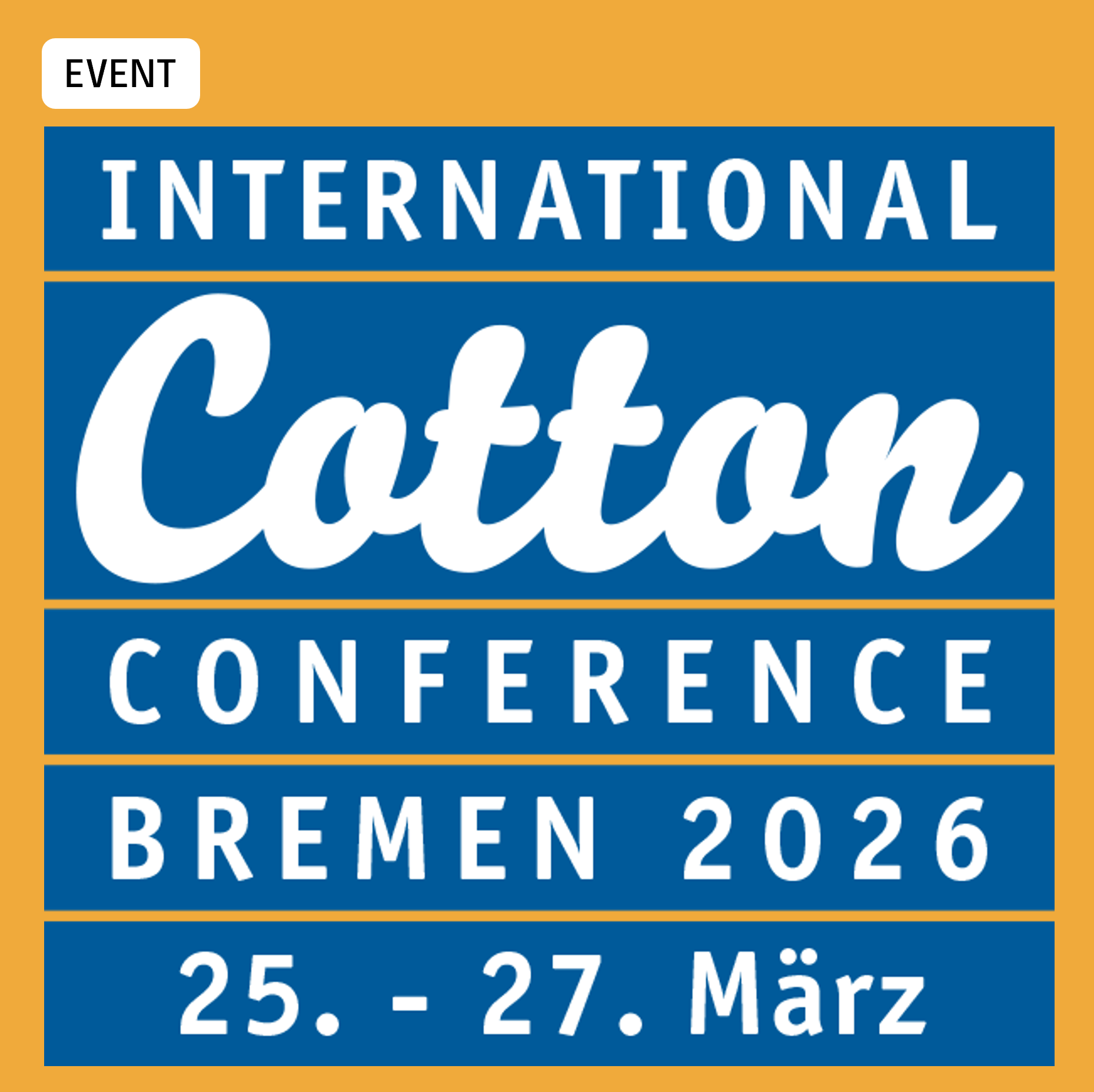
Cotton Conference Bremen – advancing sustainability in textiles
At the Cotton Conference in Bremen, organized by Cotton Inc., Earth Action’s co-founder Julien Boucher took part in a sustainability panel where he presented our work on plastic footprint and the Plastic Footprint Network (PFN), along with ongoing research on textile impacts. The session was well received, generating strong engagement, many questions, and clear interest from participants.
Discussions reflected a growing focus on understanding environmental impacts across the textile value chain, as well as practical approaches to risk and sustainability.
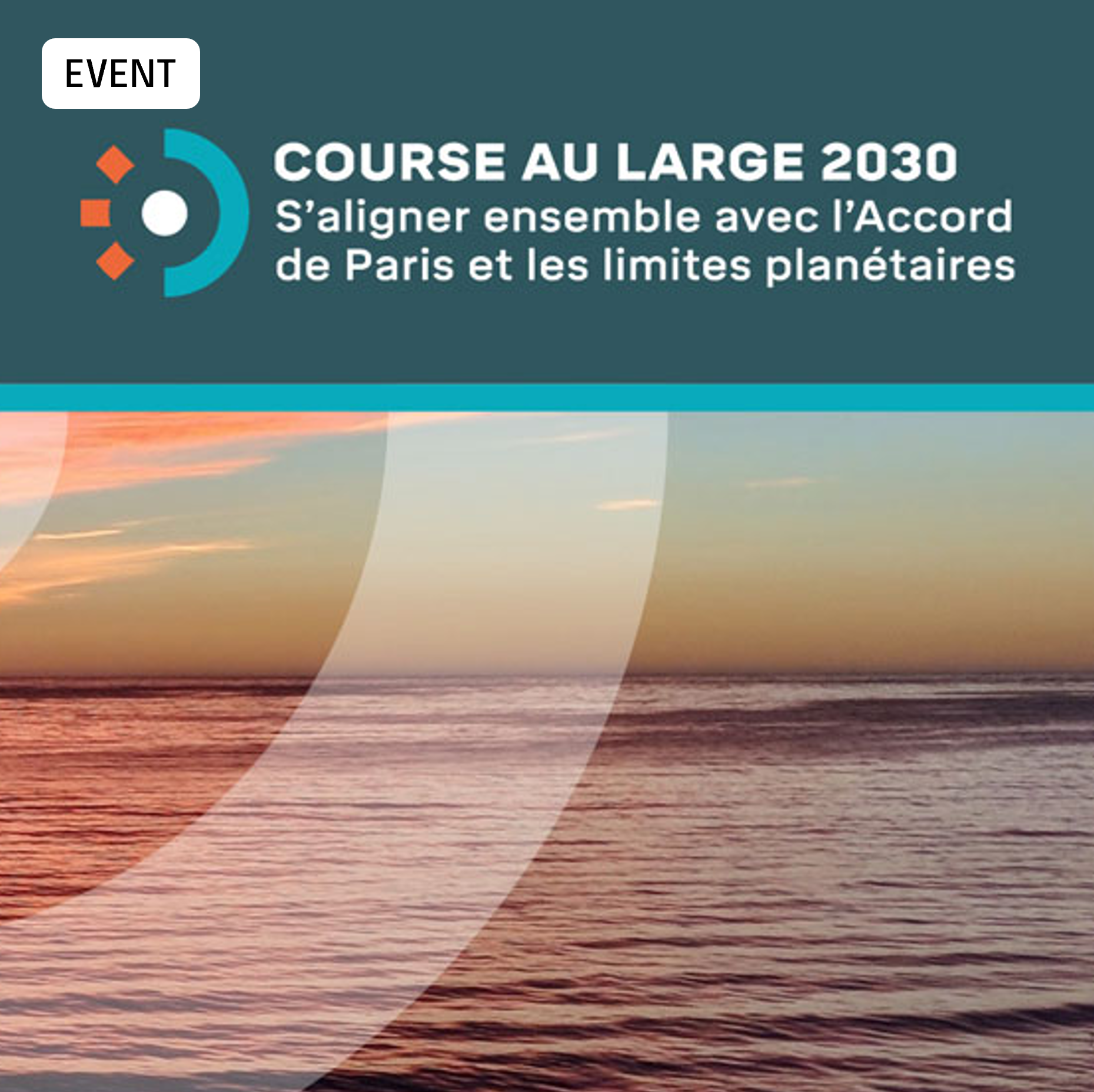
Assises Course au Large (CAL) 2030 – shaping a more sustainable offshore racing ecosystem
We participated in the Assises Course au Large 2030 in Paris, a key gathering of stakeholders from offshore racing aimed at reducing the sport’s environmental impact. Skippers, class representatives, sponsors, and race organizers discussed concrete actions to accelerate the sector’s transition, moving from reflection to implementation.
The discussions highlighted strong momentum toward collective coordination across the value chain, as well as emerging ideas to better share resources and equipment. The event reflected a clear ambition to align offshore racing with climate goals and strengthen its long-term sustainability.
In Case You Missed It
Catch up on key reports, articles and consultations:
Plastic additives linked to millions of premature births worldwide
Preterm birth attributable to exposure to chemicals used in plastic materials: a global estimate
A study led by New York University estimates that exposure to two phthalates used in flexible plastics was associated with nearly two million premature births and 74,000 newborn deaths globally in 2018. Researchers link these chemicals to disrupted placental function and adverse pregnancy outcomes.
Microplastics detected inside food crops raise concerns for agricultural systems
Microplastic uptake and impacts on crops under realistic exposure: implications for soil–plant systems
Researchers found microplastics and nanoplastics in the leaves and stems of wheat and tomato plants, with fibre-shaped plastics showing the strongest effects on growth and chlorophyll levels. The findings suggest agricultural soils may act as a pathway for plastics to enter food systems.
Study detects microplastics in all human brain samples analysed
Microplastics and nanoplastics in brain tumours and the healthy human brain
Researchers analysing 191 human brain samples detected microplastics in every sample examined, although concentrations were significantly lower than previously reported estimates. The study highlights ongoing uncertainties around exposure levels and reinforces the need for further research into potential neurological and health effects.
Study finds widespread human exposure to microplastics across daily environments
Microplastic storm: What is the scale of hidden microplastic exposure?
Reviewing more than 350 peer-reviewed studies, the report identifies widespread exposure to microplastics through food, indoor environments, consumer products and outdoor activities. The findings suggest microplastic exposure is embedded across multiple aspects of daily life and warrants further investigation into potential health implications.
Africa’s forests have crossed a tipping point: from carbon sink to carbon source
Loss of tropical moist broadleaf forest has turned Africa’s forests from a carbon sink into a source
Using satellite data and machine learning, researchers found that Africa’s forests shifted from absorbing to emitting carbon after 2010. Deforestation in the Congo, Madagascar and West Africa is the main driver, with savanna gains too small to compensate.
A hidden ocean methane source could worsen global warming
Phosphate scarcity governs methane production in the global open ocean
Scientists have discovered that methane in the open ocean is produced by microbes under nutrient-poor conditions, solving a long-standing scientific mystery. This previously unknown source could have significant implications for global warming projections and greenhouse gas accounting.
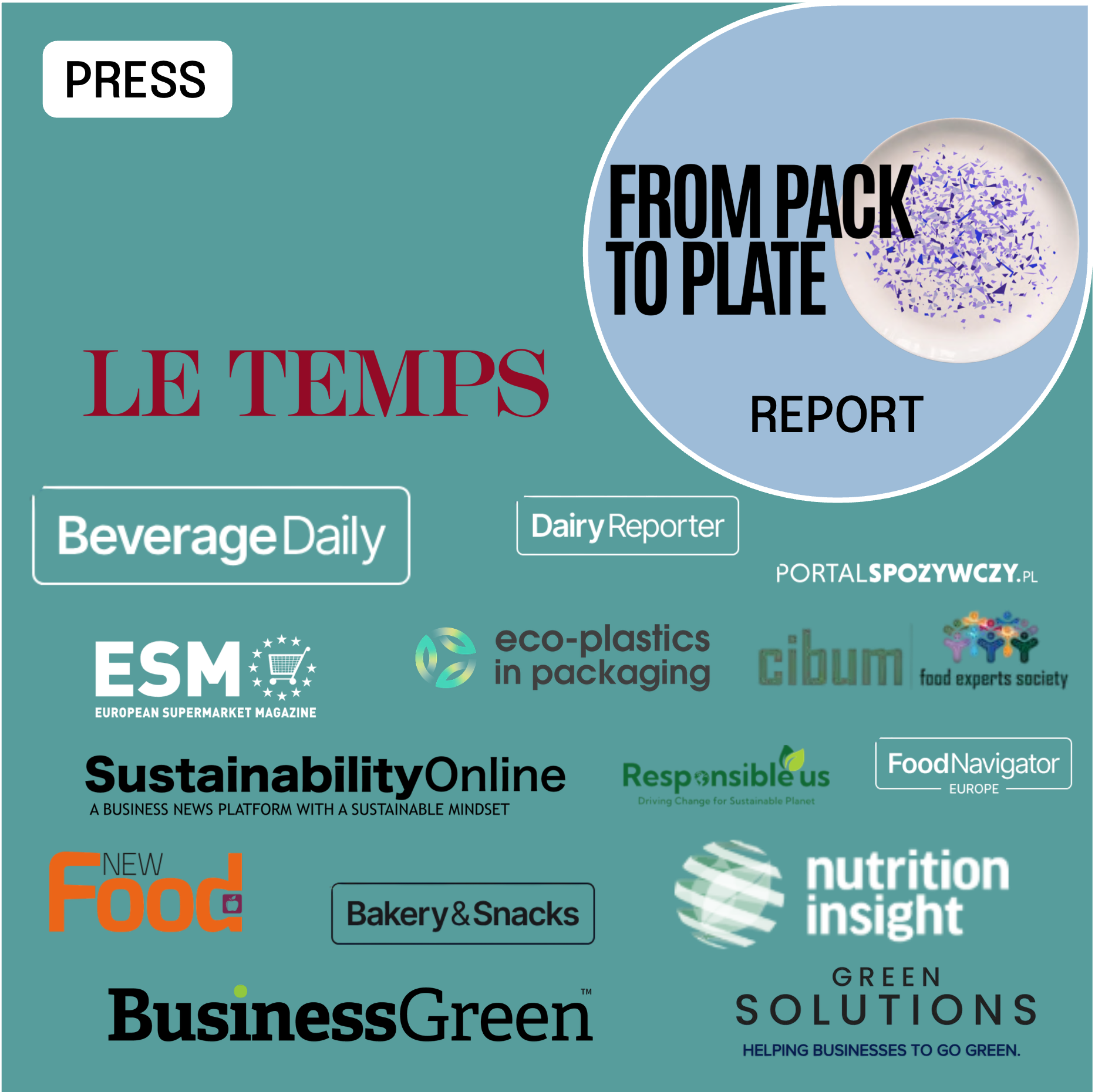
From Pack to Plate – Global media coverage
Our latest report From Pack to Plate has received broad international coverage, including interviews and features in BeverageDaily and a major article in Le Temps. Additional coverage includes New Food Magazine, Nutrition Insights, Business Green, Eco-Plastics in Packaging, Food Navigator USA, Bakery and Snacks, Dairy Reporter and ESM Magazine.
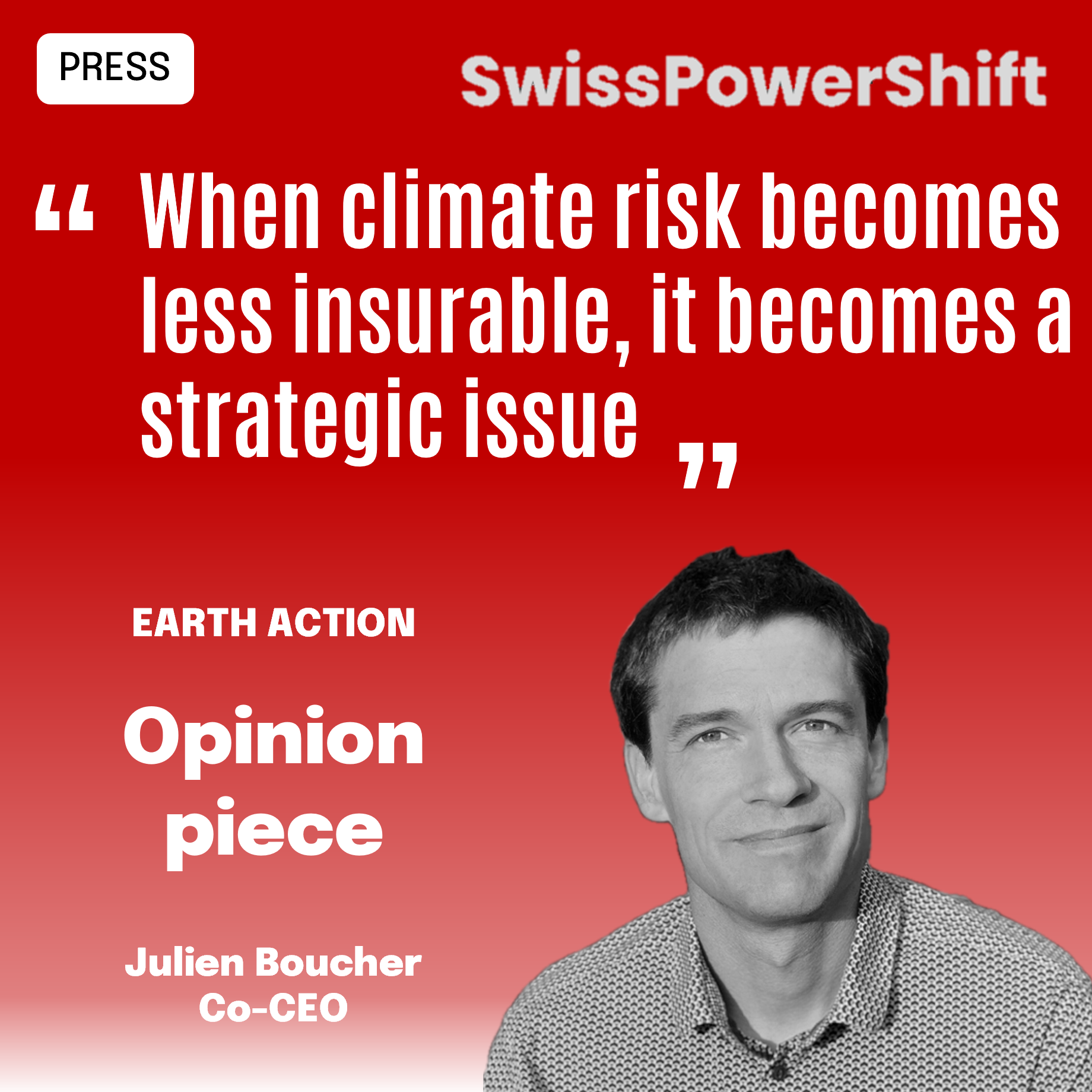
Julien Boucher featured in SwissPowerShift Magazine
Our co-founder’s latest op-ed has been published in SwissPowerShift Magazine. In this piece, he explores why climate risk is no longer only an insurance issue, but a strategic business challenge requiring new approaches to resilience, capital allocation, and long-term decision-making.
On our radar
Beyond our own work, we track key policy moves, insights, and analysis shaping the sustainability agenda. This section spotlights external developments and perspectives we think are worth your attention.
This month’s regulatory signals point to a widening gap between accelerating policy ambition and the systems required to implement, harmonise and verify it consistently across jurisdictions.
That gap is increasingly visible in plastics policy, where ambition is now being tested through real-world deployment. Portugal has launched its national Deposit Return Scheme, Volta, rolling out over 3,000 collection points for beverage containers, while the UK Packaging Pact brings together 100 organisations in a ten-year programme to scale reuse, refill, and recycled content.
At global level, the challenge is also becoming institutional. Procedural proposals in the UN plastic pollution treaty negotiations highlight that progress depends not only on substance, but on how negotiations are structured, as complexity and participation increase.
A similar shift from framing to enforcement can be seen in how scientific evidence is now translated into regulation. Following EA research identifying paint as a major source of microplastic leakage, EU REACH now introduces mandatory reporting on microplastic emissions, including tool washing, with first disclosures due in 2026.
As reporting systems expand, alignment becomes a parallel priority. The OECD’s work on MRV interoperability seeks to improve mutual recognition and data consistency across jurisdictions.
Finally, this expansion of measurable risk is extending beyond carbon. The NGFS nature-risk package brings biodiversity and ecosystem dependencies into supervisory frameworks.

Welcome Vincent!
Earth Action has entrusted Vincent with the mission of infusing a new dynamic into our development. As a catalyst, he will foster the deployment of our expertise to make it more accessible and impactful for those shaping their future.
By guiding our clients in transforming their environmental commitments into tangible actions, we are building lasting, trust-based relationships dedicated to their overall performance.
Thank you for reading the latest Earth Action Newsletter! If you found this issue valuable, please forward it to colleagues and
Have ideas on how to make this newsletter more valuable to you? Let us know!


©EA – Earth Action SA
Lausanne, Ch. des Vignes d’Argent 7, 1004 Lausanne, Switzerland
You are getting this note because you subscribed to hear from Earth Action.
Don’t want to hear from us anymore ? Unsubscribe