
News, stories and insights
July 30th 2026
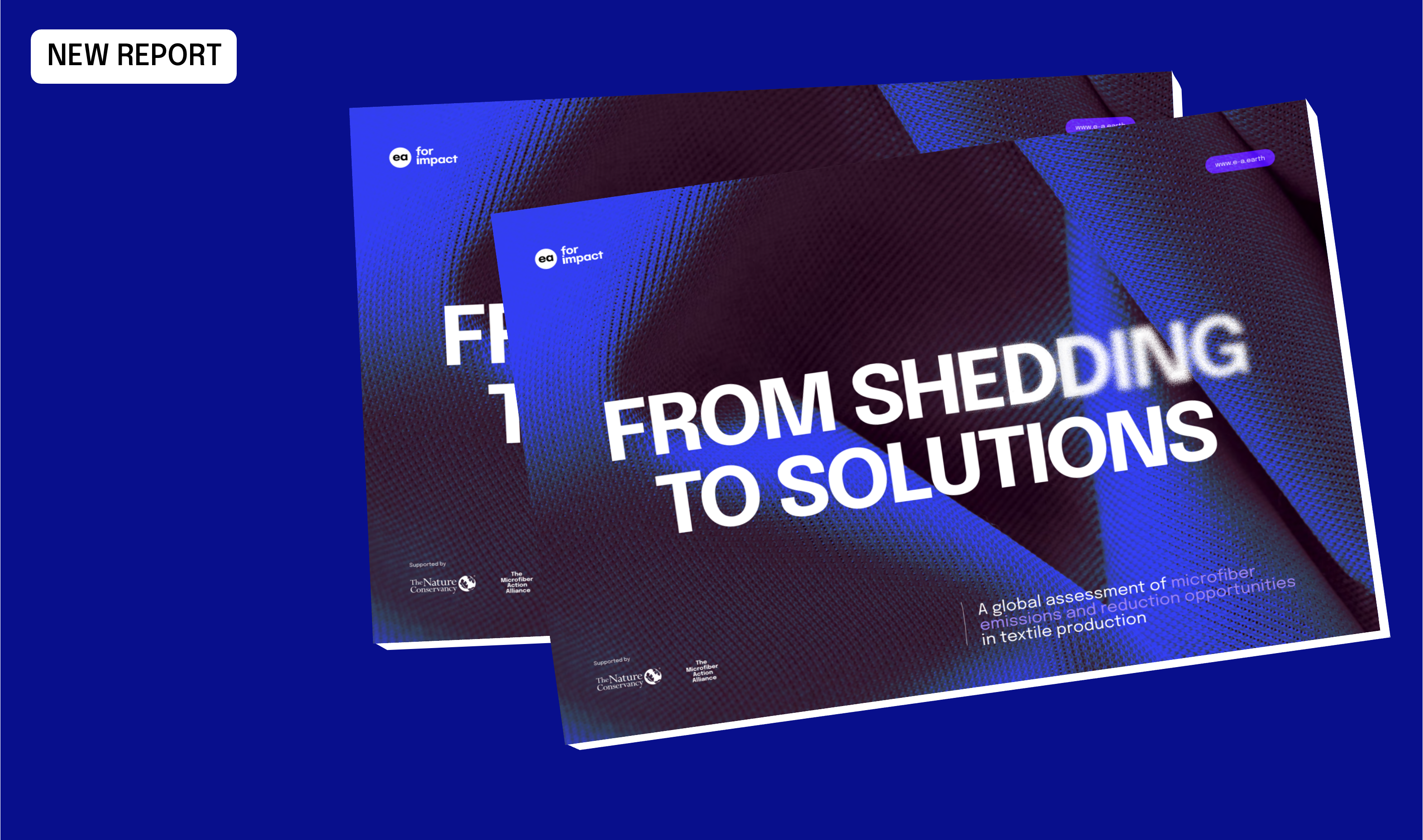
New Report: From Shedding to Solutions
Textile production generates an estimated 92,000 tonnes of microfiber losses every year, with more than 58,000 tonnes reaching the environment. New research shows that this pollution is far from inevitable.
From Shedding to Solutions is the first global assessment to quantify microfiber emissions during textile manufacturing and identify the most effective intervention points. The report shows that combining better product design, effective wastewater treatment, and responsible sludge management could reduce production-phase microfiber leakage by up to 95% by 2032.
A valuable resource for brands, manufacturers, policymakers, and sustainability professionals, the report provides a practical roadmap for reducing microfiber pollution across the textile value chain.
SBTi 2.0: Moving to action without giving up ambition
SBTi has just released version 2.0 of its Corporate Net-Zero Standard, taking effect in 2027. The shift is clear: from a framework built on ambition to one built on action, anchored in “best efforts” rather than strict target achievement. Mandatory governance is a real step forward.
But the long-term target is now optional, and companies can exclude certain scope 3 categories where they judge they lack direct control. The result: v2.0 makes implementation easier, but risks weakening the push toward transforming business models. A step forward, but not yet matched to the scale of the climate emergency.
Financed plastic pollution, quantified.
Financial institutions can measure the carbon they finance. Plastic pollution has had no equivalent, until now. Earth Action has developed and piloted a methodology, in collaboration with the Plastic Soup Foundation and a.s.r. asset management, that translates a company’s plastic footprint into a portfolio-level metric for investors, alongside a separate score assessing sector-level health risk. Currently under review by the Plastic Footprint Network’s Scientific Committee, the approach gives financial risk officers, ESG analysts, and data teams a concrete way to fold plastic pollution into existing capital allocation and reporting processes.
Read the full story on what the methodology is grounded in, and what’s coming next.
Romande Energie: from 190 options to one clear climate roadmap
On VIVA Vaud’s website, Romande Energie shares how it worked with EA to structure its own climate trajectory to 2030. Starting from a GHG inventory with no clear targets, the engagement analyzed 190 potential solutions, narrowed them to 45 priority actions, and set a target of 50% emissions reduction across scopes 1 and 2 by 2030.
The real breakthrough came from turning that mass of options into a roadmap validated at the highest level. The mandate was financially supported through Vaud’s VIVA sustainability program — read the full story on their site.
Read the full article (in French)
When the wake-up call becomes law: what paint's new EU rules still don't solve
New EU rules are bringing paint-related microplastic emissions into focus — reporting obligations are gradually coming into effect, building on evidence that paint accounts for 58% of ocean microplastic leakage, more than tyres, textiles and pellets combined, according to EA’s 2022 report. While solutions such as the Micro Wash Kit show how companies can help prevent pollution at the user level, the industry still faces a bigger challenge: measuring emissions consistently across products and markets.
Plastic Footprint Network is developing a shared Paint Module to help manufacturers establish a credible methodology and prepare for future reporting requirements. The companies that engage today can help shape the standards that will define tomorrow’s industry.

Microfiber shedding starts upstream: what new research means for textile manufacturers
This article, published with bluesign, presents EA’s new report “From Shedding to Solutions”, the first system-level baseline for microfiber pollution in textile manufacturing. bluesign, which contributed technical review to the study, explains why wastewater treatment alone isn’t enough: captured fibers just end up in sludge.
The real reduction potential sits upstream, in yarn, fabric and finishing choices — exactly where the bluesign System operates. The study estimates that textile production loses about 92,000 metric tons of microfibers every year, 63% of which reach the environment, a figure that coordinated action could cut by up to 95% by 2032.
Read the full article

ASBP Reducing Plastics in Construction Summit 2026
EA was at the Alliance for Sustainable Building Products (ASBP) fourth Reducing Plastics in Construction Summit, alongside CIRIA, Ramboll, A Plastic Planet, and Brouns & Co. Charlotte Stalder shared results from EA’s 2022 paints report, which found paint leaks 7.4 Mt of plastic into the environment every year.
The Plastic Footprint Network is now developing a new module building on that work. If this resonates with your area, get in touch to collaborate.
Watch the webinar recording.
In Case You Missed It
Catch up on key reports, articles and consultations:
Plastic packaging is the only material growing on EU markets, up 11% since 2011
Estimating packaging placed on the market at national level – Packaging model updates version 2.0
A JRC analysis covering 19 EU member states and 97% of the EU population finds that across glass, metal, paper, cardboard, and composite materials, plastic alone recorded an upward trend between 2011 and 2025, rising 11% to 5.9 million tonnes, equivalent to 14 kg per capita. All other packaging materials declined or held flat over the same period.
PFAS detected in all breast milk samples tested across the Netherlands, with 18% above the safe threshold
PFAS in moedermelk van Nederlandse vrouwen
A nationwide RIVM study tested breast milk from 1,629 women for 29 different PFAS compounds. PFOS and PFOA were present in nearly every sample; four compounds appeared in 93% of samples. While 18% of samples exceeded the risk limit for infant exposure, concentrations have declined since 2014, suggesting regulatory bans enacted in 2008 and 2020 are having measurable effect.
Microplastics found in 92% of deep-sea animals at hydrothermal vents 2,000 metres below the surface
Oceanic determinants of microplastic bioaccumulation in fauna of deep-sea hydrothermal vents: Comparative study of the southwestern Pacific and Indian Oceans
Korean researchers detected microplastics in 92% of animals examined across hydrothermal vent ecosystems in two ocean basins, averaging 3.42 particles per individual. The study is the first to document microplastic bioaccumulation in these remote deep-sea habitats, extending the known reach of plastic contamination to ecosystems previously considered isolated from surface pollution.
Biodegradable plastics shown to accumulate and transport PFAS in the environment
PFAS and Microplastics: Are Biodegradable Microplastics Less Harmful to the Environment?
A laboratory study finds that biodegradable microplastics can act as vectors for PFAS compounds, a behaviour previously associated primarily with conventional plastics. Sorption capacity increased significantly following environmental aging, suggesting that substituting conventional plastics with biodegradable alternatives may not reduce chemical transport risks without further scrutiny of polymer interactions.

Robustness: The new frontier of competitiveness
In this op-ed, Julien Boucher explains why robustness is becoming a key driver of competitiveness. As global value chains grow increasingly fragile, he argues that sustainability must evolve from a compliance exercise into a strategic lever for strengthening business resilience and long-term performance.
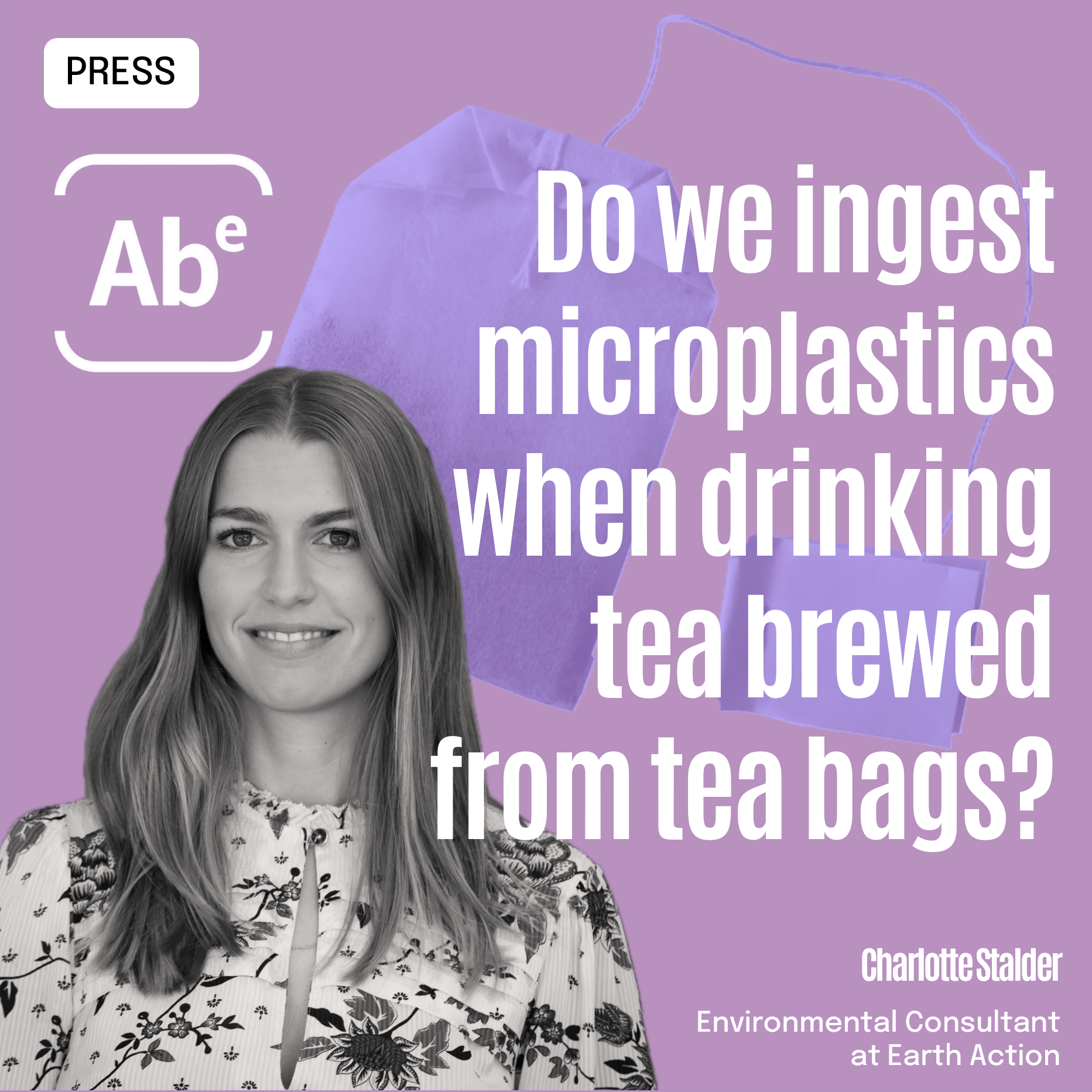
Microplastics in tea: our expertise on Swiss national TV
Charlotte Stalder was interviewed on the RTS programme “À bon entendeur” on a question many people are asking: are we drinking microplastics when we brew tea in bags? She shares her perspective on plastic pollution.
On our radar
Beyond our own work, we track key policy moves, insights, and analysis shaping the sustainability agenda. This section spotlights external developments and perspectives we think are worth your attention.
July brought a striking contrast: some of the most consequential sustainability rules of this regulatory cycle moved from adoption to application, while several jurisdictions moved in the opposite direction on chemicals governance.
In the EU, a cluster of guardrails came into force or advanced materially. The Packaging and Packaging Waste Regulation enters general application on 12 August, with further binding obligations on reduction, reuse and recycling targets taking effect in February 2027 and 2028 — targets for which Member States and companies may face legal proceedings or fines if unmet. Its arrival is underscored by a Joint Research Centre study confirming that plastic is the only packaging material still growing across EU markets.
The Commission adopted revised sustainability reporting standards alongside a voluntary SME equivalent, settling the architecture of corporate disclosure for the next reporting cycle. On carbon markets, it tabled its EU ETS Phase 5 reform proposal, extending coverage to international aviation and waste incineration. The ECB simultaneously activated climate risk factors in its collateral framework, and the ESG Ratings Regulation entered application on 2 July, bringing a previously unregulated market activity under direct ESMA supervision.
The picture was different elsewhere. In the US, the FDA declined to set enforceable PFAS limits in food, and the EPA excluded microplastics from its drinking water monitoring programme for the next five years — a consequential omission given the programme runs on a five-year cycle. In the UK, the government offered no new commitments on PFAS restriction despite cross-party parliamentary pressure to act.
At the multilateral level, plastics treaty negotiations resumed in Nairobi, with production curbs remaining the central unresolved question ahead of INC-5.4, now scheduled for March 2027. ICAO also raised concerns over the EU’s plan to extend ETS coverage to international aviation, signalling that the interface between unilateral and global carbon market frameworks will require further negotiation.
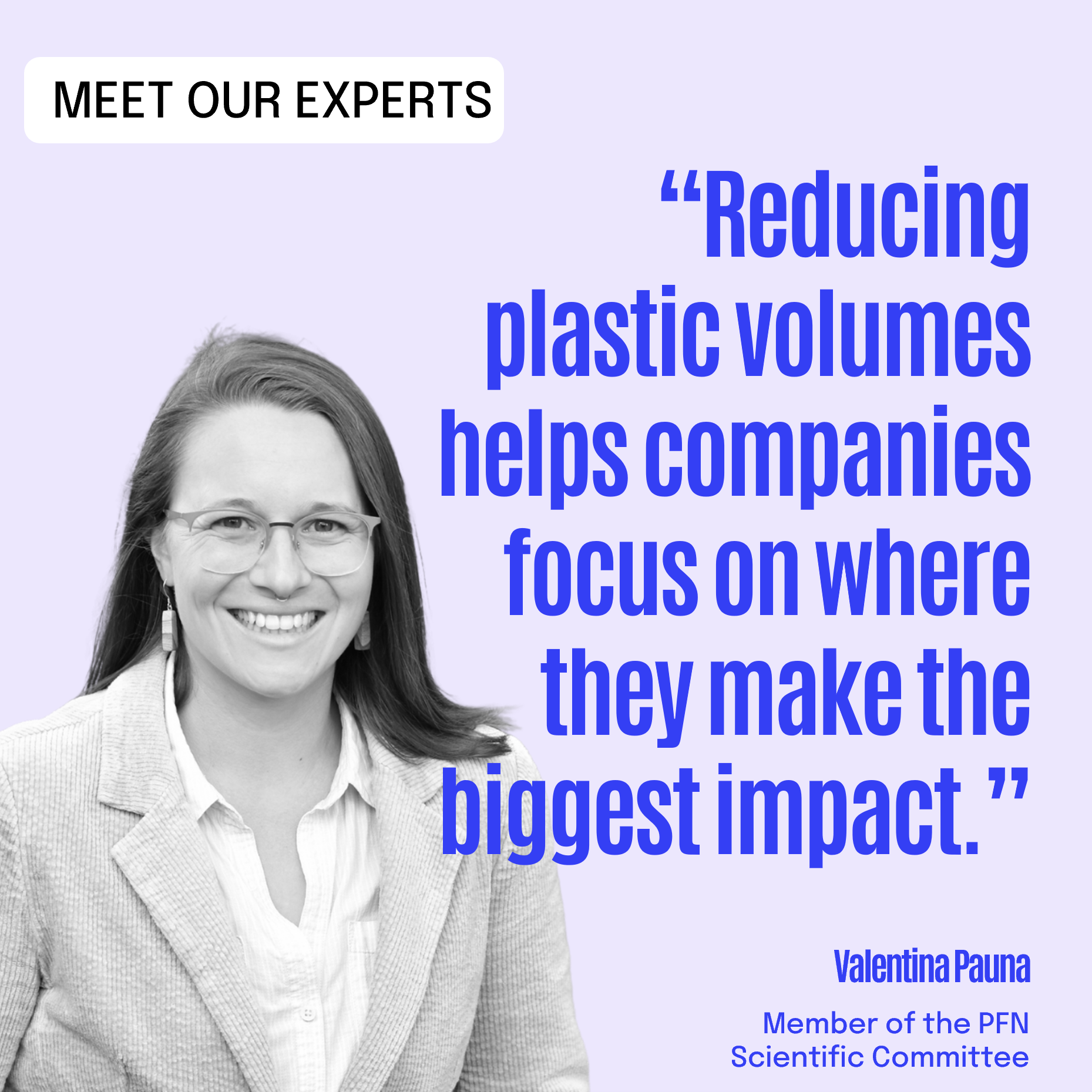
Mapping the real impacts of plastic
How do we measure plastic pollution when we don’t fully know where plastics end up? Valentina Pauna, member of the Plastic Footprint Network Scientific Committee, works on closing critical data gaps and improving how plastic fate and impacts are represented in life cycle assessments.
Her research highlights the limits of current models — and why reducing plastic at the source remains the most reliable risk-reduction strategy. By combining better data, realistic fate mapping, and cross-sector collaboration through the Plastic Footprint Network, her work helps businesses and policymakers move from rough estimates to actionable decisions across the value chain.
Read the full article
Thank you for reading the latest Earth Action Newsletter! If you found this issue valuable, please forward it to colleagues and invite them to subscribe!
Have ideas on how to make this newsletter more valuable to you? Let us know!


©EA – Earth Action SA
Lausanne, Ch. des Vignes d'Argent 7, 1004 Lausanne, Switzerland
You are getting this note because you subscribed to hear from Earth Action.
Don’t want to hear from us anymore? Unsubscribe