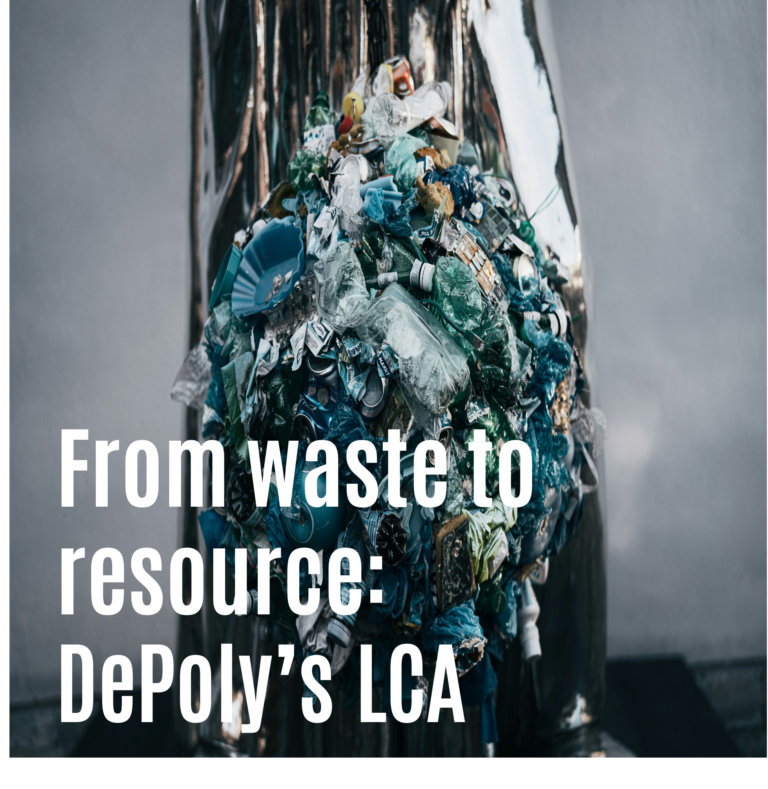
From recycling innovation to measurable environmental performance
Plastic recycling is about turning waste into a resource that can replace virgin materials without shifting environmental impacts elsewhere.
Despite the committed efforts of scientists, there are still many gaps in knowledge about critical environmental issues, especially research and data to enable global leaders to understand the magnitude of the problems and act with immediate impact. EA’s creative yet practical problem-solving approach allows for identification of these gaps and building a knowledge foundation that serves the needs of stakeholders across private and public sectors, as well as civil society.
The core of EA’s mission is catalyzing action for the changes the world needs to live in harmony with the planet’s boundaries.
This requires more than mere theory and science for science’s sake. Through our dedicated efforts, we strive to generate valuable data, innovative ideas, insightful analyses, and practical solutions.
We believe in the power of research to drive positive change, and our aim is to deliver actionable findings that empower individuals, organizations, and communities to make informed decisions and establish strategies and designs for needed transformations. EA research is ultimately designed to unite knowledge and action.
EA publications cover pressing environmental topics offering new research and actionable guidance to equip businesses, NGOs, regulators and sustainability professionals with data and insights that lead to direct action.

Plastic recycling is about turning waste into a resource that can replace virgin materials without shifting environmental impacts elsewhere.
At the launch of the Microfiber Action Alliance this month, Patagonia’s Matt Dwyer said what many sustainability teams think privately. Brands are tired of flying around to “shiny three-letter acronym groups” to announce plans that nobody follows up on (Sourcing Journal, 6 October 2026).
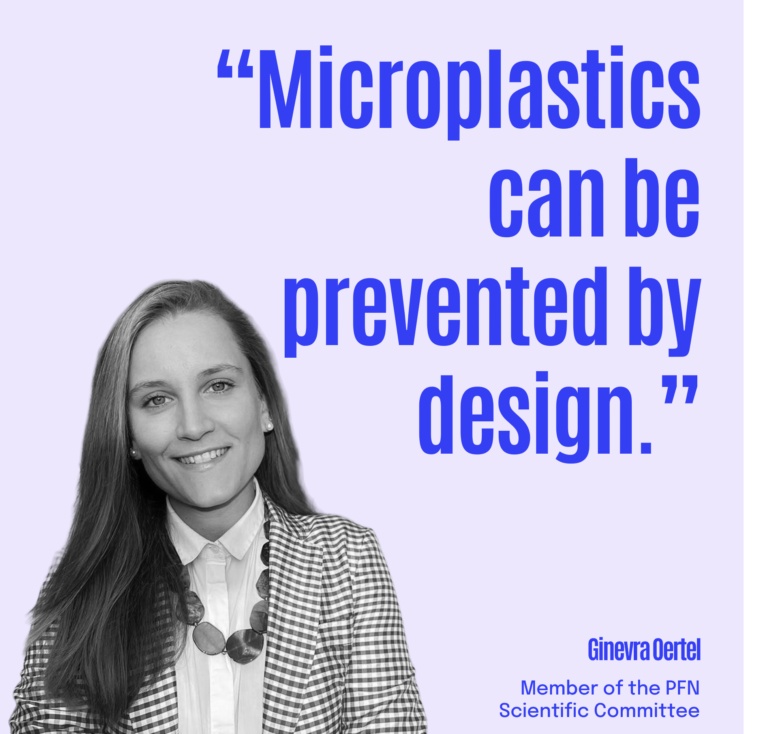
Ginevra Oertel, PFN Scientific Committee member, explains why industrial microplastic emissions are hard to measure, why she wants them built into the management functions companies already run, and why she would act earlier still, at the design stage.
EA – Earth Action
Lausanne, Switzerland
Ch. des vignes d’argent 7
1004 Lausanne Suisse
Subscribe to receive the latest research, insights and news from EA
For additional information on how to unsubscribe, our privacy practices, and how we are committed to protecting and respecting your privacy, please review the EA Privacy Policy.