Twenty years of microplastic pollution research – what we learned
Explore 20 years of research on microplastic pollution, uncovering key findings, global impacts, and strategies to tackle this critical environmental challenge.
EA publications cover pressing environmental topics offering new research and actionable guidance to equip businesses, NGOs, regulators and sustainability professionals with data and insights that lead to direct action.

Explore 20 years of research on microplastic pollution, uncovering key findings, global impacts, and strategies to tackle this critical environmental challenge.

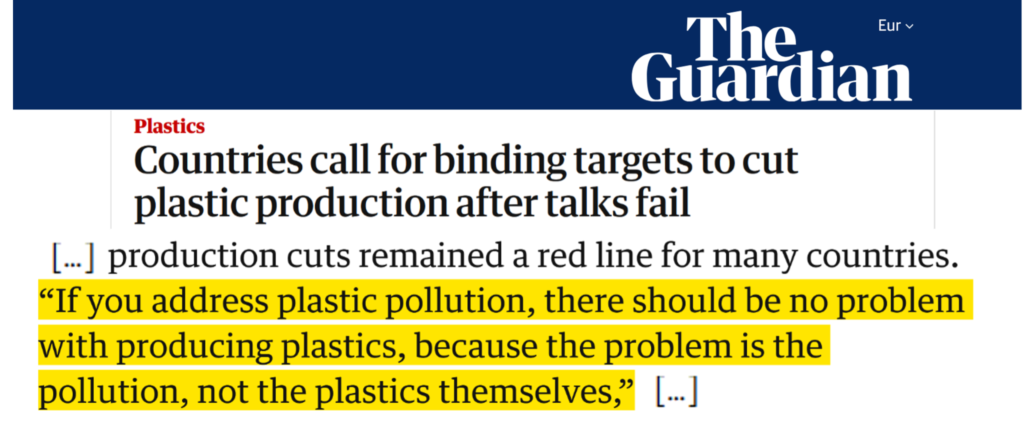
The day after INC-5 closed with no Treaty signed a delegate from a petro-state stated: “If you address plastic pollution, there should be no problem with producing plastics, because the problem is the pollution, not the plastics themselves.” This statement


Discover how Breitling is reducing plastic pollution with Earth Action, using data-driven strategies to reduce waste and deliver tangible outcomes for its full-scope sustainability strategy.

Integrating plastic-related risks into financial models: Earth Action’s new framework empowers investors to evaluate corporate performance on plastic pollution and health impacts for sustainable decision-making.

INC-5 in Busan marks a pivotal step toward a unified global response to plastic pollution, balancing ambition with pragmatism to shape the future of sustainability.

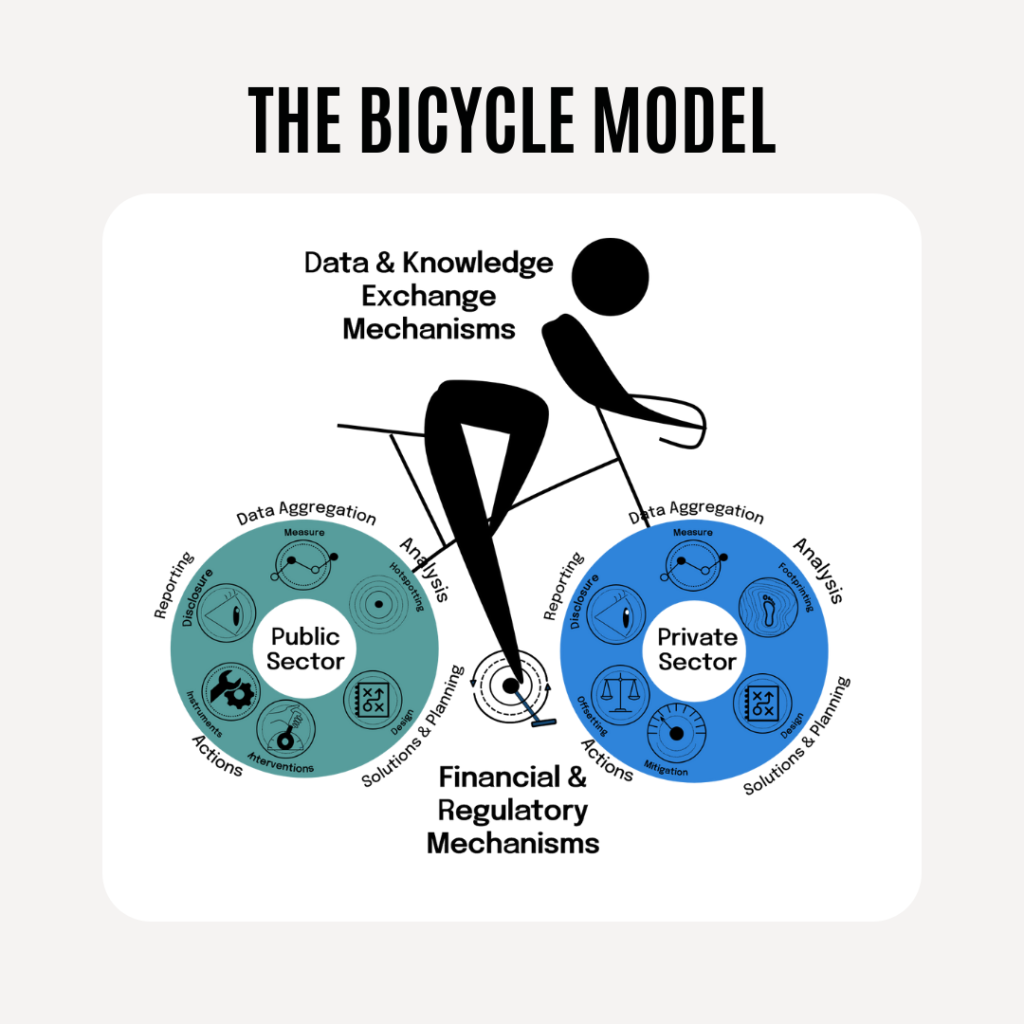
A strategic roadmap to align corporate disclosures, investor practices, and global policies for mitigating plastic pollution and advancing a circular economy.

Earth Action has today granted all governments access to its global plastic data platform Plasteax. Plasteax has been in use for over three years, offering reliable plastic production, leakage, and waste management metrics to a variety of high-profile organisations. Its

This report evaluates the trajectory of plastic pollution from a company’s operations under varying scenarios of circularity actions and waste management strategies through to the year 2040.

Plastic Overshoot Day is the date that marks when humanity’s plastic waste surpasses the capacity of waste management systems. In 2024, it fell on September 5th.

Le Plastic Overshoot Day est la date à laquelle les déchets plastiques de l’humanité dépassent la capacité des systèmes de gestion des déchets.

Plastic Overshoot Day is the date that marks when humanity’s plastic waste surpasses the capacity of waste management systems. In 2023, it falls on July 28.

Plastic Overshoot Day is the date that marks when humanity’s plastic waste surpasses the capacity of waste management systems.

This study evaluates the potential impact of a robust, legally binding global plastics treaty on MSMEs.

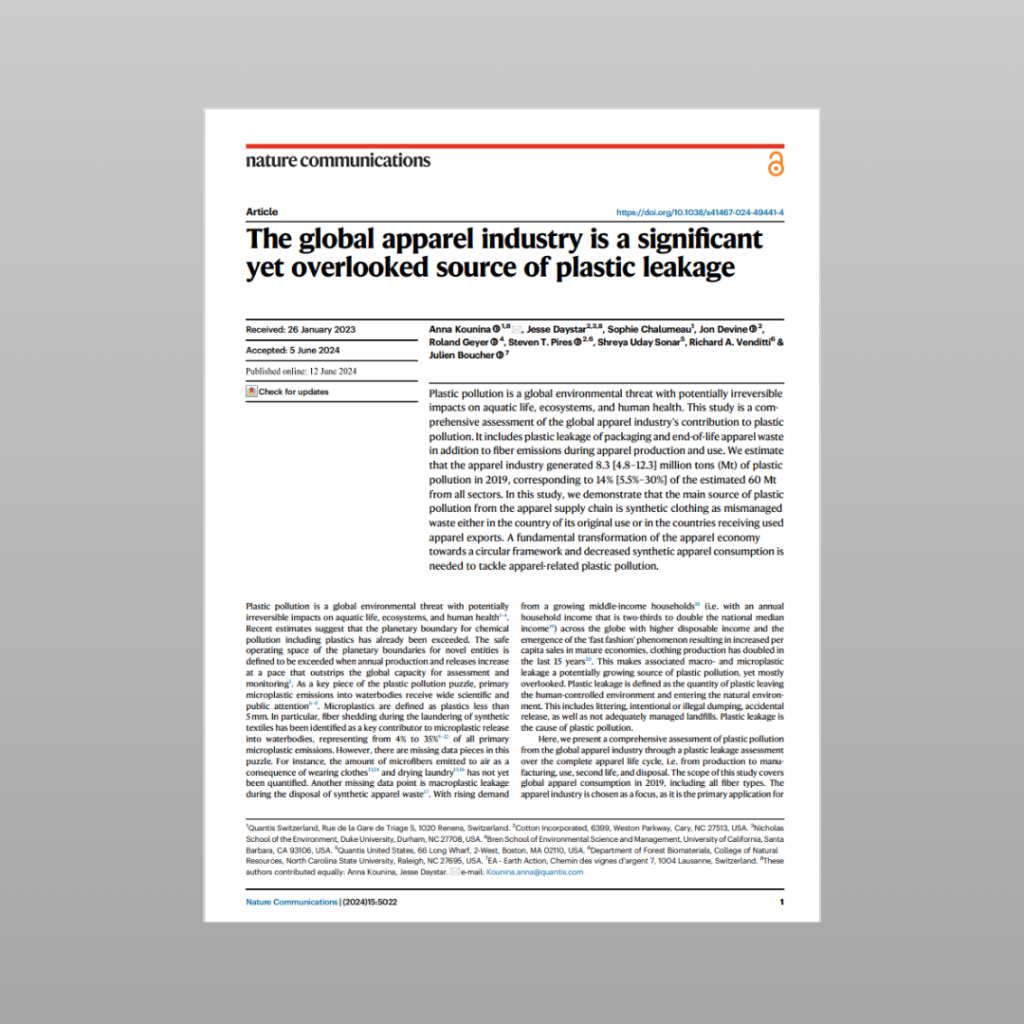
This study is a comprehensive assessment of the global apparel industry’s contribution to plastic pollution.

Offener Brief an die Parlamentarier, um sie aufzufordern, sofortige Maßnahmen zur Bekämpfung der Plastikverschmutzung zu ergreifen.

Lettre ouverte aux parlementaires pour appeler les parlementaires à adopter des mesures immédiates pour lutter contre la pollution plastique.

Ce rapport propose une modélisation des fuites de plastiques en Suisse et des scénarios quantifiés de réduction de la pollution plastique d’ici 2040.

Proposition d’une modélisation des fuites de plastiques en Suisse et des scénarios quantifiés de réduction de la pollution plastique d’ici 2040

Global corporations and NGOs have united to enhance corporate accountability tools to combat plastic pollution as negotiations for a UN Global Plastic Treaty begin in Ottawa.

This comprehensive report offers a thorough assessment of the global impact of plastic pollution.

This report presents the most current and accurate results of microplastic leakage into the oceans and onto land.

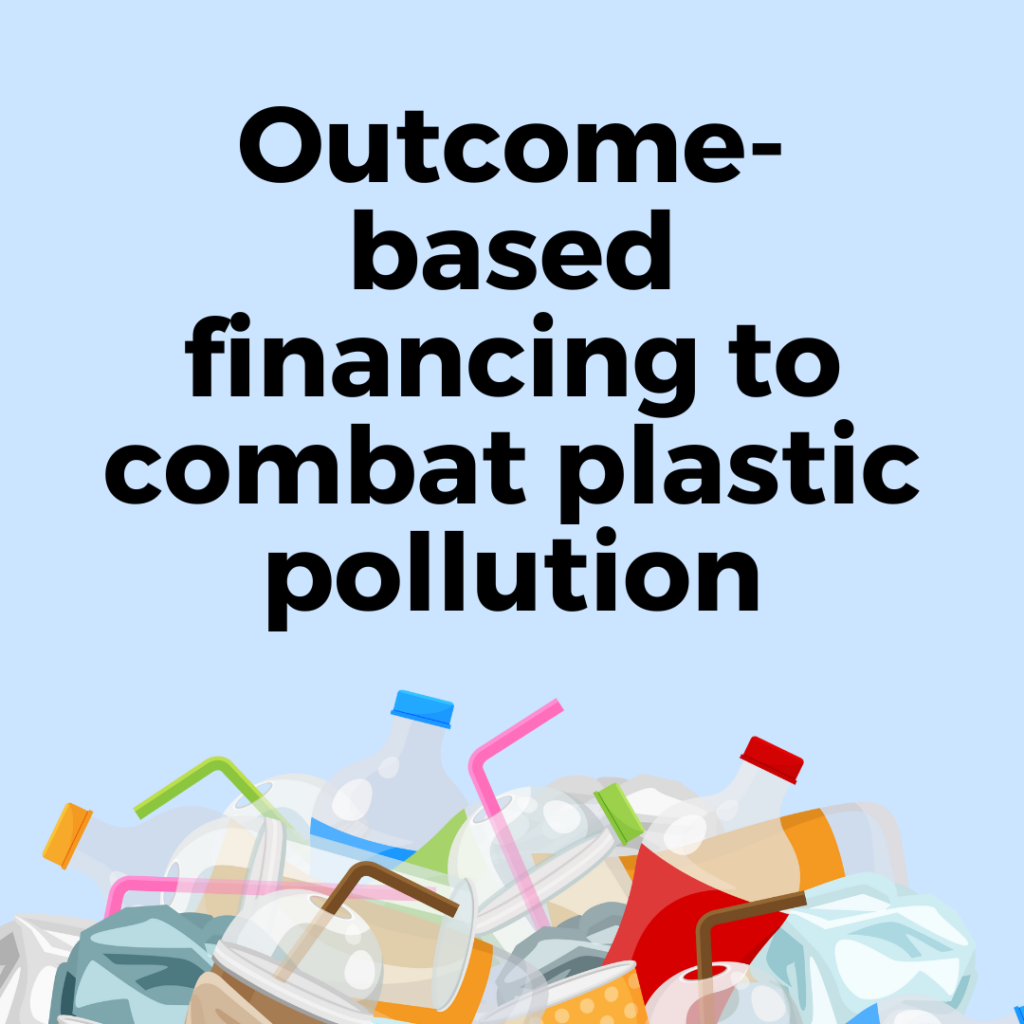
This report delves into the strategic use of Outcomes-Based Waste Prevention (OBWP), a novel financial approach that rewards tangible decreases in plastic waste, to address the funding shortfall that hampers efforts to tackle plastic pollution effectively.

The World Bank’s $100 million bond to combat plastic pollution highlights the urgent need for $5.2 trillion in investment to achieve a sustainable future, especially as negotiations for a UN Global Plastic Treaty approach.

The Plastic Footprint Network (PFN) has worked to establish the methodology for conducting plastic footprint assessments, akin to the framework global organisations currently employ to assess and reduce their carbon footprint.
EA – Earth Action
Lausanne, Switzerland
Ch. des vignes d’argent 7
1004 Lausanne Suisse
Subscribe to receive the latest research, insights and news from EA
For additional information on how to unsubscribe, our privacy practices, and how we are committed to protecting and respecting your privacy, please review the EA Privacy Policy.