

News, stories and insights
February 26th, 2026

Swiss SMEs: Boost your impact with 2026 sustainability subsidies
Funding opportunities have never been greater for Swiss SMEs – and our 2026 Subsidies Guide makes them easy to navigate. With over 70 subsidies listed, including 18 brand-new programs, it covers federal and cantonal support so you can quickly find the funding that fits your projects and ambitions.
Whether you’re a scaling startup or an SME implementing sustainable solutions, this guide saves you time, effort, and hassle by cutting through the complexity of public funding.
Explore the 2026 guide today and seize every opportunity to accelerate innovation, growth, and impact for your business.
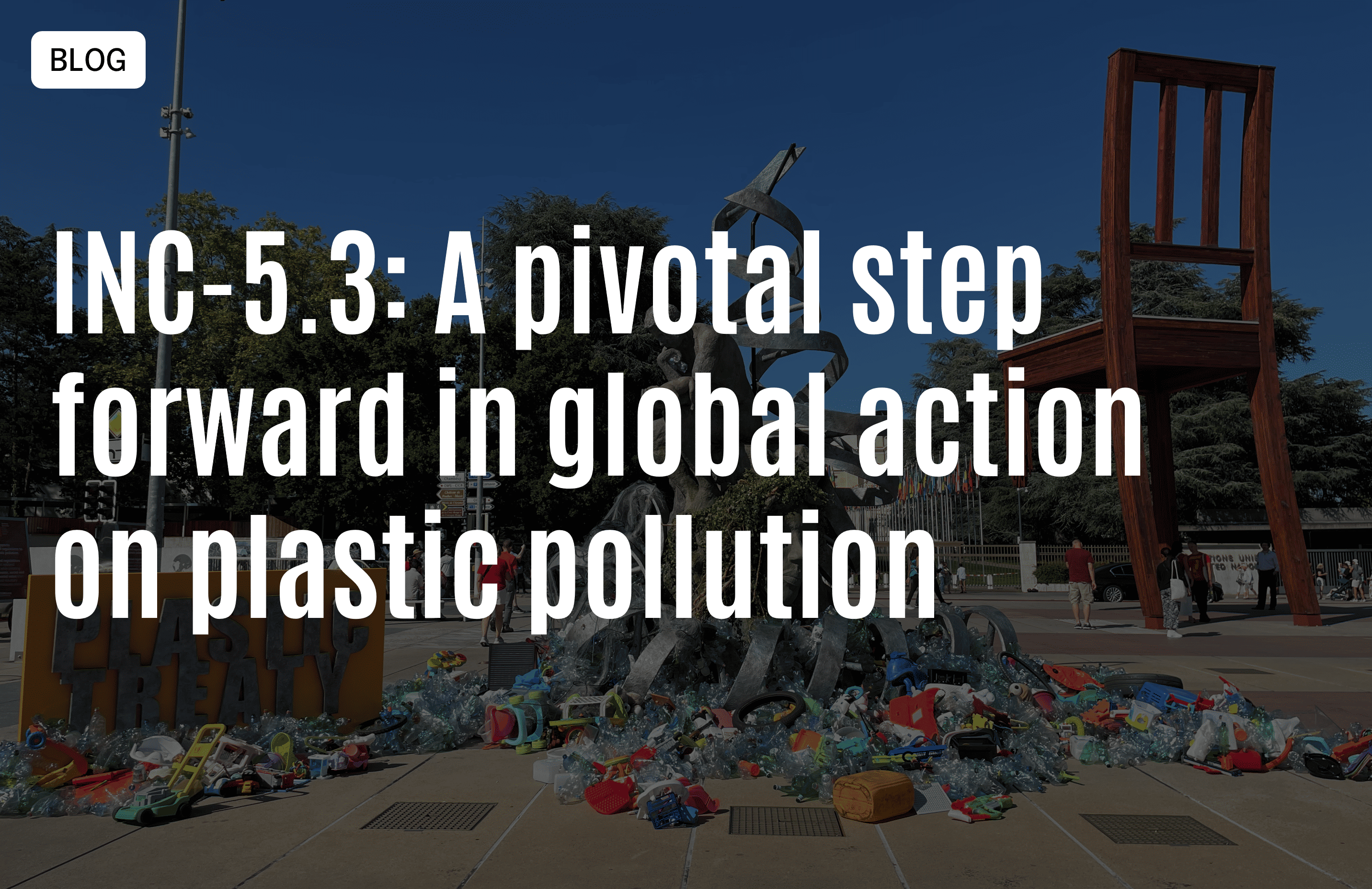
Julio Cordano takes the helm of INC plastics negotiations
At INC-5.3 in Geneva, Julio Cordano (Chile) was elected Chair, joining Linroy Christian (Antigua and Barbuda) as Vice-Chair and Irma Gurguliani (Georgia) as Rapporteur. While consensus was challenging, delegates showed commitment to transparency and cooperation. With new leadership in place, the negotiations move into a critical phase toward a legally binding global agreement on plastic pollution.
Read the article
Make climate plans stick
Measuring emissions is just the first step: turning insights into action is where most companies stall, especially on Scope 3. At Earth Action, we help bridge the gap with clear roles, collaborative tools, and actionable plans. From simulation dashboards to a catalogue of real-world steps, teams can define ambition, track impact, and work together to make climate goals tangible.
Transform your climate strategy from a static plan into a shared, actionable journey.

GHG Protocol launches the Land Sector and Removals Standard (LSR)
The first global standard to account for land-related emissions and removals, the LSR fills a major blind spot in corporate carbon reporting. Effective from 2027, it standardizes the measurement of agricultural flows, leakage, and CO₂ removals.
A turning point for the credibility of climate targets, it also poses challenges for data management and operational integration.

AI meets life cycle assessment
Dübendorf | 26 February 2026
Earth Action will attend the 92nd LCA Discussion Forum at Empa Akademie, where experts will explore how Artificial Intelligence is reshaping Life Cycle Assessment.
The event will cover AI applications, data quality, ethical considerations, and future LCA workflows. If you’ll be there as well, make sure to connect with Jean-Baptiste (jean-baptiste.bayart@e-a.earth).
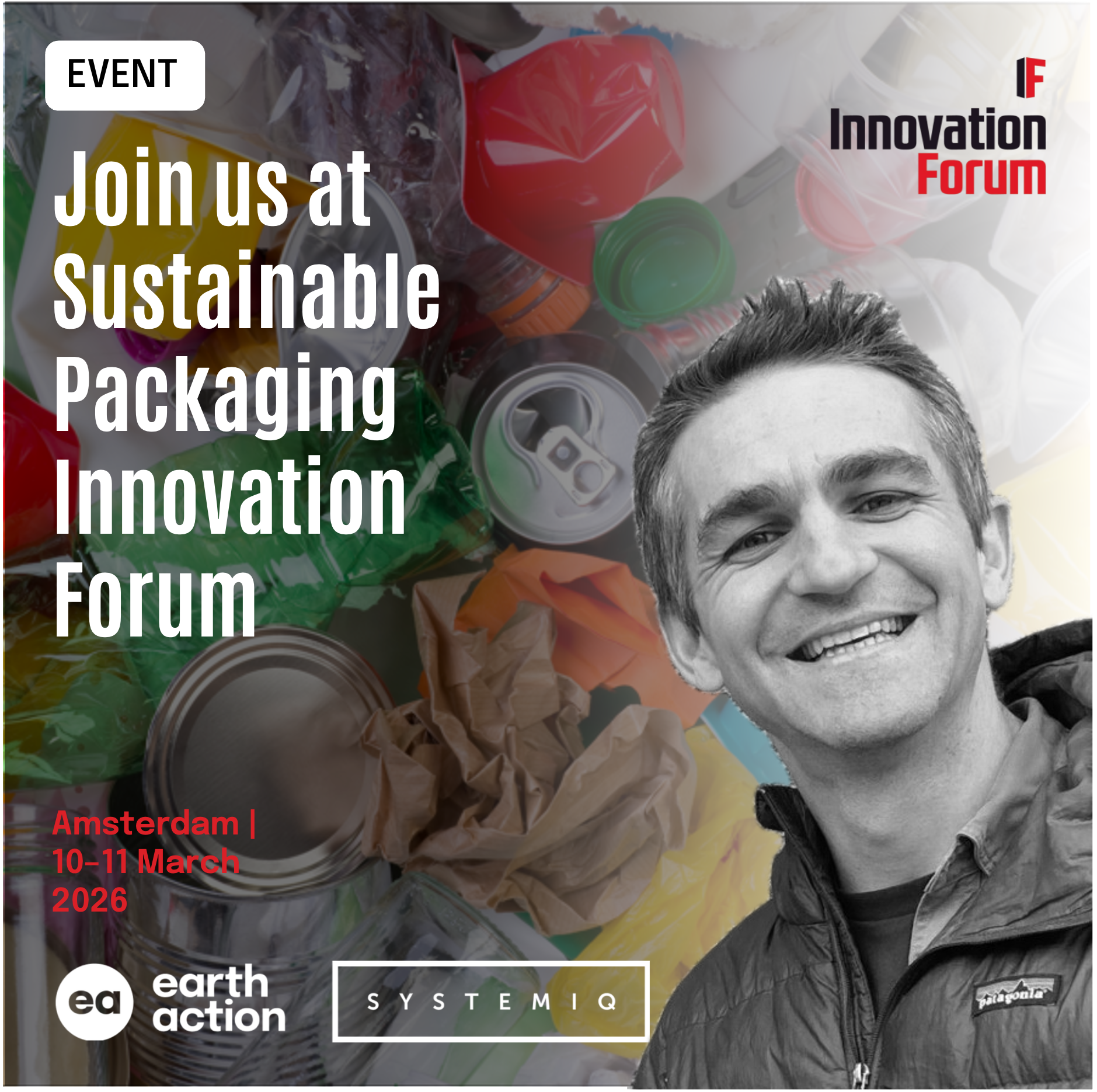
Sustainable Packaging Innovation Forum
Amsterdam | 10–11 March 2026
Join Earth Action and Systemiq at the Sustainable Packaging Innovation Forum to connect with industry leaders shaping the future of sustainable packaging.
Take part in an interactive Solutions Hub session on Better data, better decisions: Why quality of end-of-life data matters for circularity strategies and reporting and see how it can generate real impact across design, regulation, and business innovation.
In Case You Missed It
Catch up on key reports, articles and consultations:
Single-use plastics are overwhelming ASEAN waste systems but targeted policies can curb pollution
Single-Use Plastics in ASEAN: Developing a Coordinated Policy Approach
This World Bank report maps the single-use plastics (SUP) policy landscape across ASEAN Member States and recommends context-specific policy design. It highlights how constrained infrastructure and policy gaps in low to middle- and upper middle-income countries worsen SUP leakage, and outlines options from bans and fees to eco-design rules and EPR, alongside monitoring and enforcement.
Read the article
Higher levels of microplastics detected in the brains of dementia patients
Bioaccumulation of microplastics in decedent human brains
Researchers found significantly higher concentrations of microplastics in brain tissue samples, with even greater accumulation observed in dementia patients. The study deepens concern about human exposure pathways and potential neurological implications, calling for further research into long-term health effects.
Read the article
Consumer headphones contain hazardous chemicals linked to environmental and health risks
The Sound of Contamination: A Comprehensive Analysis of Endocrine Disruptors and Hazardous Additives in the Headphones
Testing of popular headphone brands revealed the presence of hazardous substances, including toxic plastic additives. The findings raise concerns about chemical exposure during product use and disposal, reinforcing the need for stronger chemical safety standards and greater transparency in electronics supply chains.
Read the article
Plastic waste converted into high-performance carbon capture material
Repurposing polyethylene terephthalate plastic waste to capture carbon dioxide
Chemists transformed discarded PET bottles and textiles into a carbon-rich material capable of efficiently capturing carbon dioxide. The process gives plastic waste a second life while contributing to climate mitigation technologies, illustrating innovative pathways linking circularity and decarbonisation.
Read the article
Technology flexibility and reduced material demand can ease critical metal shortages
Technology flexibility and sobriety to address shortage of energy-transition metals
The study shows that adjusting sub-technological mixes within energy systems and reducing overall material demand can substantially lower critical metal shortages. Strategic substitutions and efficiency measures limit supply risks, leaving only a small number of metals potentially constrained.
Read the article
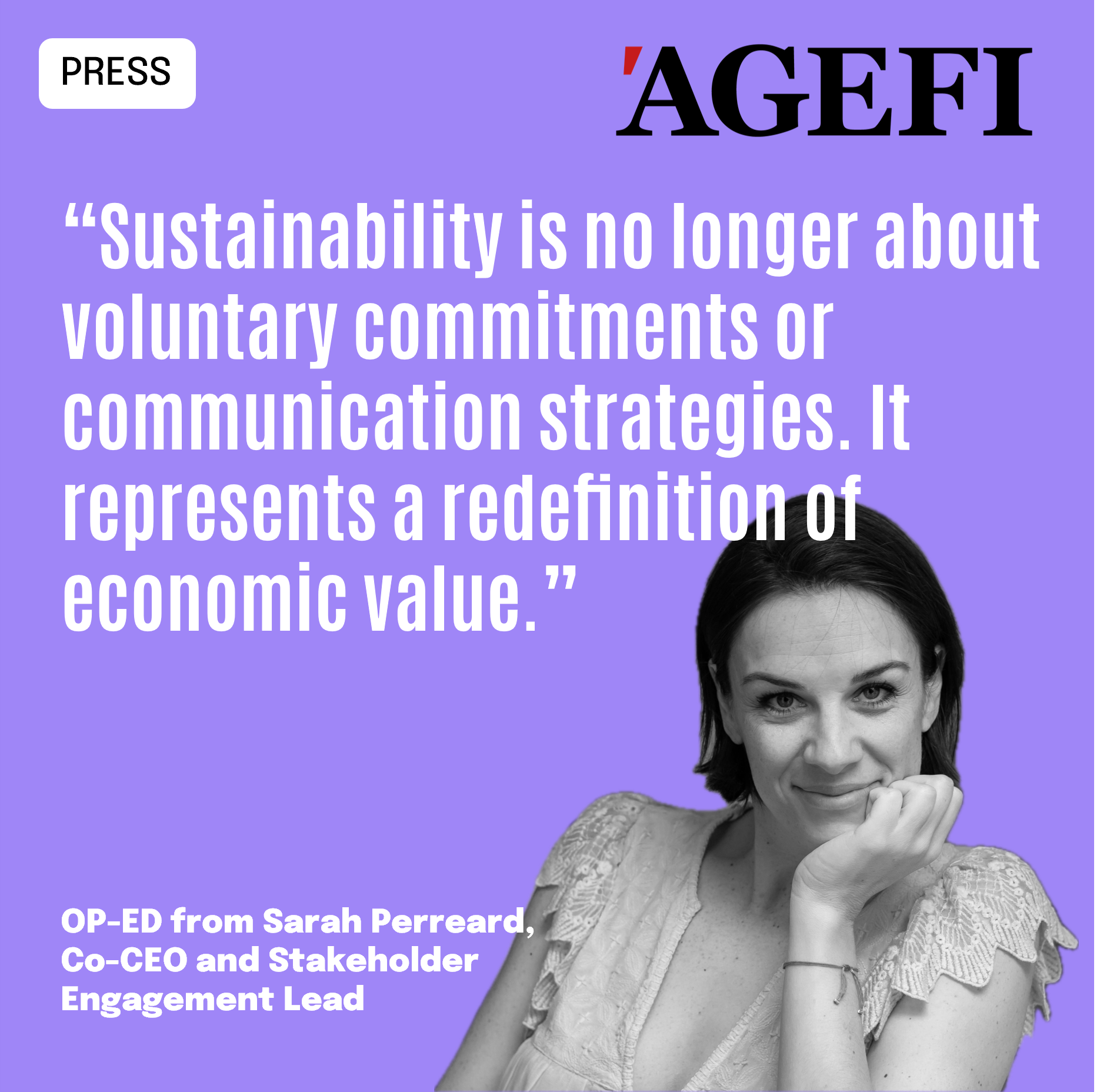
Op-Ed – After Davos, signs that are reshaping Swiss competitiveness
Sarah Perreard shared her insights in Agefi on how the 2026 Davos World Economic Forum highlights shifts in global risks that are reshaping Swiss competitiveness. She emphasizes the growing importance of resilience, traceability, and risk management for businesses and investors in Switzerland.
The article explores why traditional strengths alone are no longer enough to navigate today’s economic and geopolitical challenges.

Earth Action Featured in Le Nouvelliste
Earth Action was mentioned in Le Nouvelliste for producing the Valais Cantonal Greenhouse Gas Emissions Report.
Our study shows that in 2023, emissions reached 5.3 million tonnes of CO₂—over 14 tons per capita—and identifies key areas for reduction to support the canton’s strategy toward carbon neutrality by 2050.
Article published in the printed edition on February 6, 2026.
On our radar
Beyond our own work, we track key policy moves, insights, and analysis shaping the sustainability agenda. This section spotlights external developments and perspectives we think are worth your attention.
Climate and environmental governance sent mixed but consequential signals in February.
Political headwinds intensified. In the US, the Environmental Protection Agency announced plans to revisit the legal basis for regulating greenhouse gases, a move that could weaken federal climate action. In Europe, discussions around simplifying sustainability reporting continued, raising concerns about a potential dilution of transparency requirements.
Yet legislative and legal developments pointed to continued ambition. EU lawmakers backed a 90 percent emissions reduction target for 2040, reinforcing the bloc’s long-term direction of travel. California advanced guidance on its landmark climate disclosure laws, strengthening the state’s role as a regulatory counterweight, while Canada’s federal court upheld the government’s authority to classify plastics as toxic.
Momentum also built at the global level. Delegates convened in Geneva for the INC-5.3 negotiations toward a global plastics treaty, alongside the nomination of a new Chair to steer the next phase of talks. In parallel, South Korea moved to promote label-free water packaging, signalling regulatory progress in Asia.
Meanwhile, signals from the financial system suggested resilience. Deutsche Bank posted its strongest year for sustainable finance since 2021, and the European Central Bank warned that weakening sustainability reporting standards could significantly reduce transparency for investors, underscoring the continued importance of robust ESG data for capital markets.
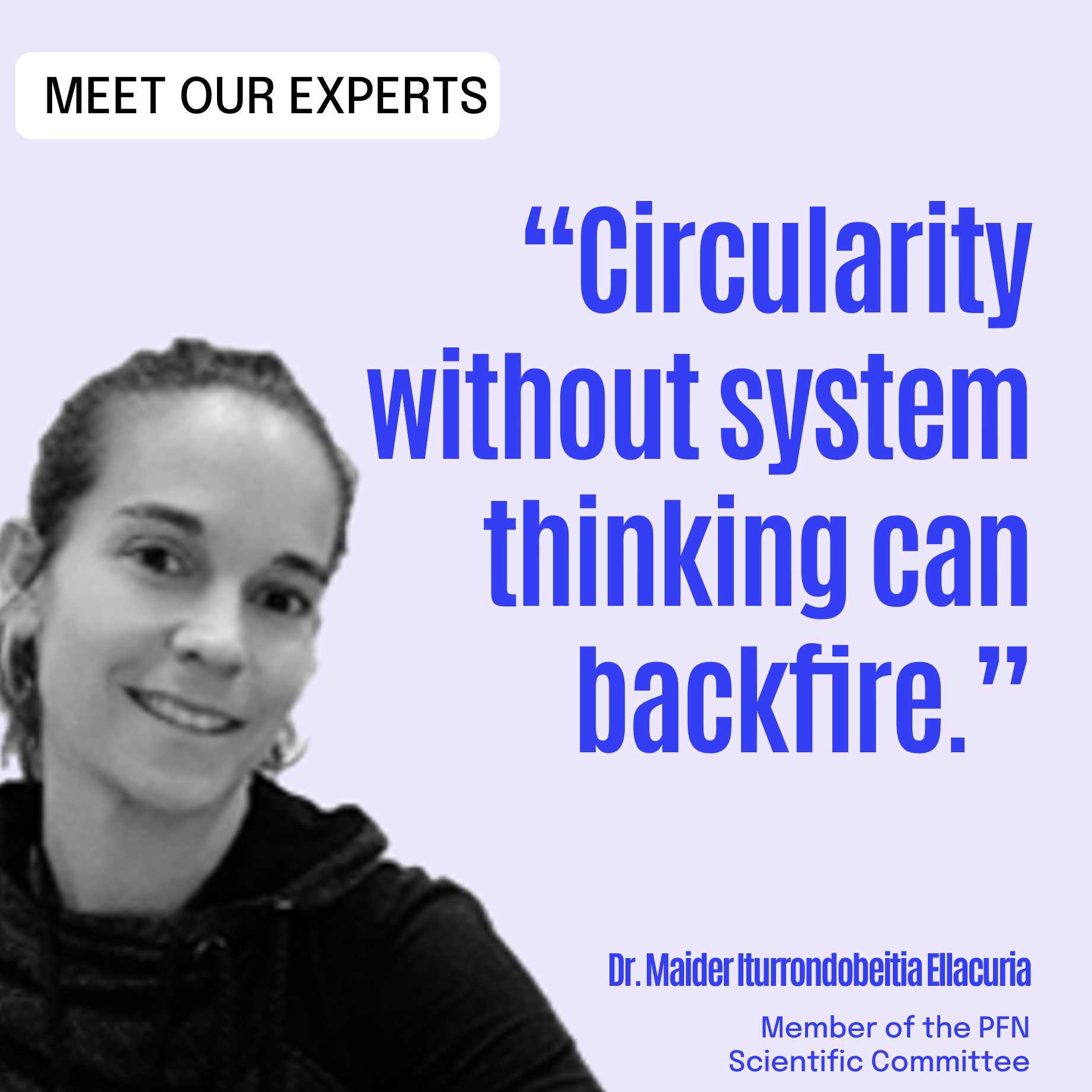
Designing plastics for real circularity
In our latest expert spotlight, Maider Iturrondobeitia Ellacuria, member of the Plastic Footprint Network’s Scientific Committee, explains why replacing plastics is not enough, and why measurement must come first.
From recycled marine polymers to bio-based materials, Maider works at the intersection of ecodesign and life cycle assessment.
She shares why harmonized methodologies are essential to tackle microplastics, leakage, and unintended trade-offs.
“If we want circularity to be more than a slogan, we need credible metrics and science-based tools”
Thank you for reading the latest Earth Action Newsletter! If you found this issue valuable, please forward it to colleagues and invite them to subscribe!
Have ideas on how to make this newsletter more valuable to you? Let us know!


©EA – Earth Action SA
Lausanne, Ch. des Vignes d’Argent 7, 1004 Lausanne, Switzerland
You are getting this note because you subscribed to hear from Earth Action.
Don’t want to hear from us anymore ? Unsubscribe